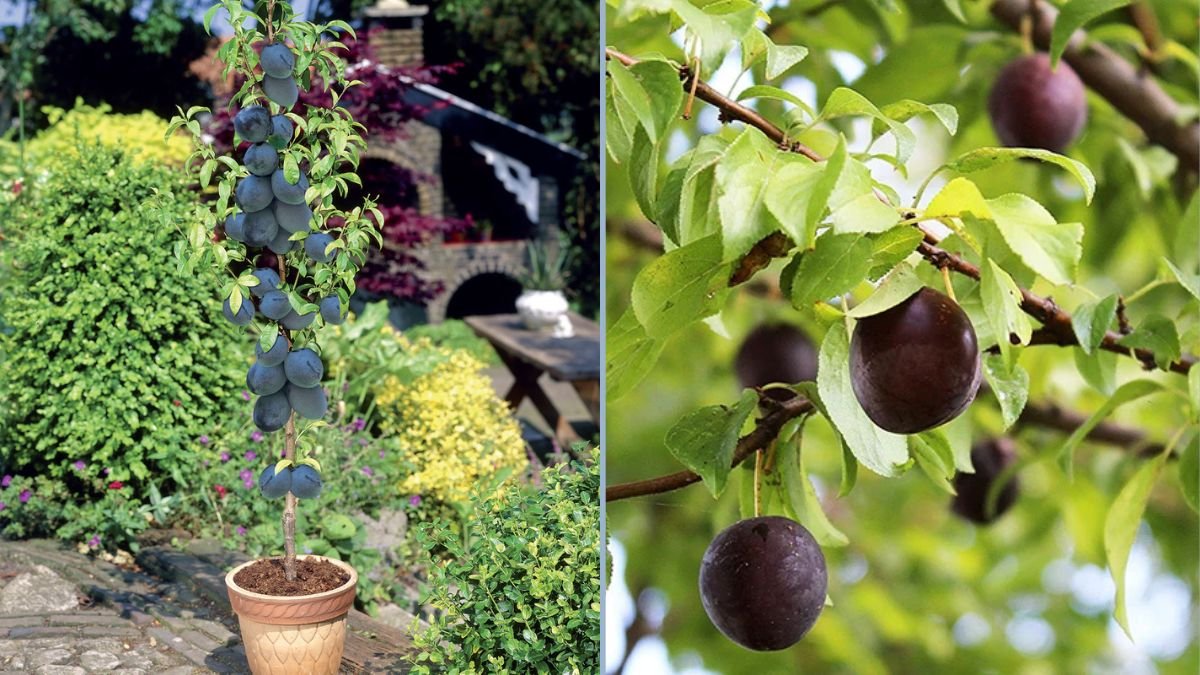
When it comes to stone fruits, few can match the richness, juiciness, and appeal of the Black Amber plum. Known as the “King of Plums,” this exceptional variety has gained immense popularity among both home gardeners and commercial growers. Its combination of deep flavor, glossy dark skin, and long shelf life makes it one of the most desirable plum varieties you can grow.
In this comprehensive guide inspired by “Best Variety of Plum | Black Amber | King of Plum | Juicy & Long Life Variety of Plum,” we’ll explore everything you need to know about the Black Amber plum—from its origins and characteristics to planting, growing, care, and harvesting tips. Whether you’re starting your first orchard or looking to add a top-quality fruit tree to your garden, this variety is worth your attention.
What Makes Black Amber Plum So Special?
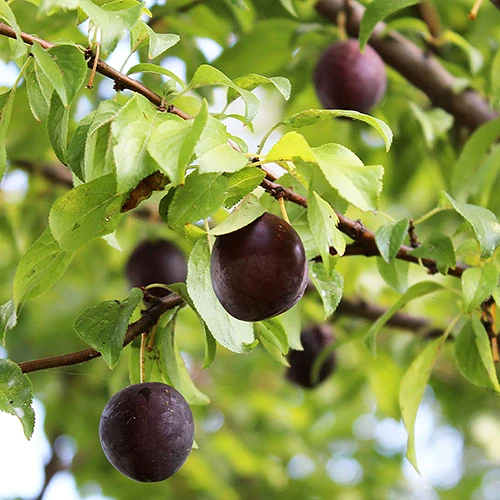
The Black Amber plum (Prunus salicina) is a Japanese plum variety widely recognized for its unique combination of beauty, taste, and durability. The fruits are medium to large, with dark purple to almost black skin and amber-yellow flesh inside—hence the name Black Amber.
Its sweet, juicy flavor has just the right amount of tang, creating a perfect balance that appeals to nearly every palate. Unlike many other plums, the Black Amber has a firm texture and excellent post-harvest life, making it a top choice for shipping, storage, and fresh eating.
Here’s what makes it a standout:
- Exceptional Flavor: Rich, sweet, and mildly tart taste.
- Attractive Appearance: Shiny dark skin with vibrant golden flesh.
- Long Shelf Life: Keeps well after harvest, ideal for markets and storage.
- High Yield: Produces abundant crops each season.
- Versatility: Perfect for fresh eating, desserts, jams, and preserves.
No wonder it’s often referred to as the “King of Plums”—it truly reigns supreme in taste and performance.
Origin and Characteristics
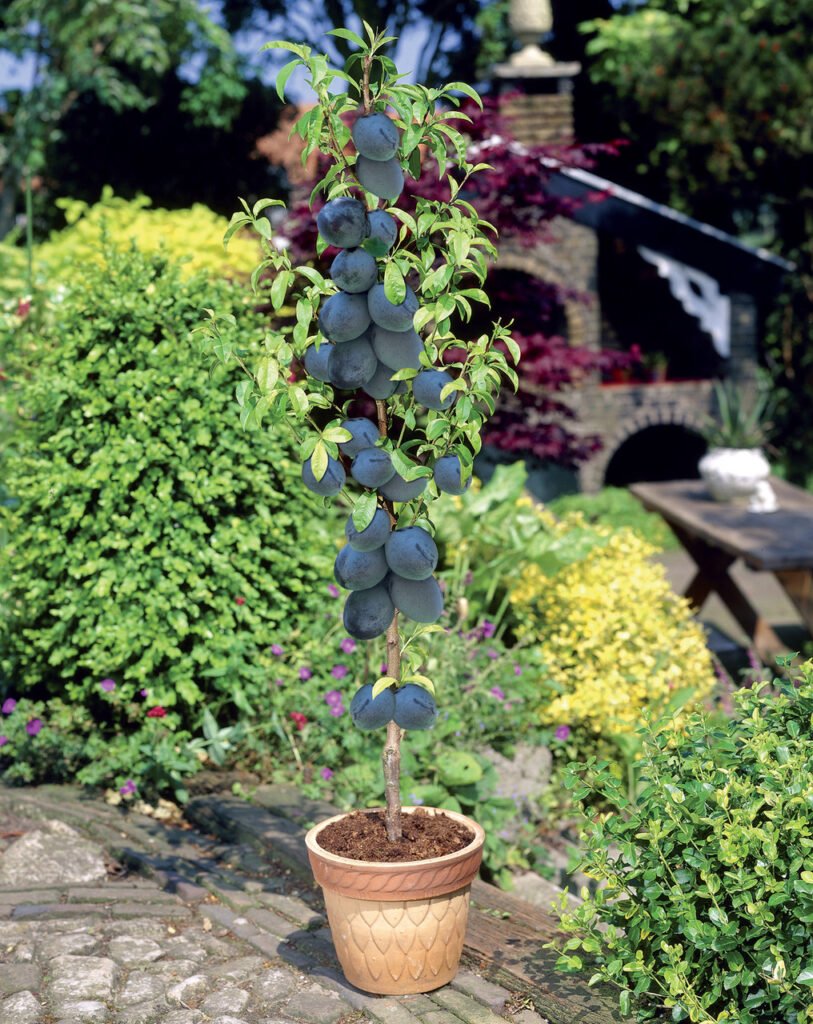
The Black Amber plum originated from Japan but is now cultivated across the world, especially in warm temperate and Mediterranean climates. It’s a Japanese-type plum, which differs from the smaller, firmer European varieties.
Black Amber trees are moderately vigorous, featuring upright growth with dense green foliage. They’re known for early blooming and typically bear fruit mid to late summer, depending on the climate. The fruit size ranges from 5–7 cm in diameter, and the tree can yield heavily once mature.
One of its most prized characteristics is its extended storage life. Even after harvesting, the fruits remain firm and juicy for several weeks under proper storage conditions, making them ideal for both commercial and home use.
Ideal Growing Conditions for Black Amber Plums
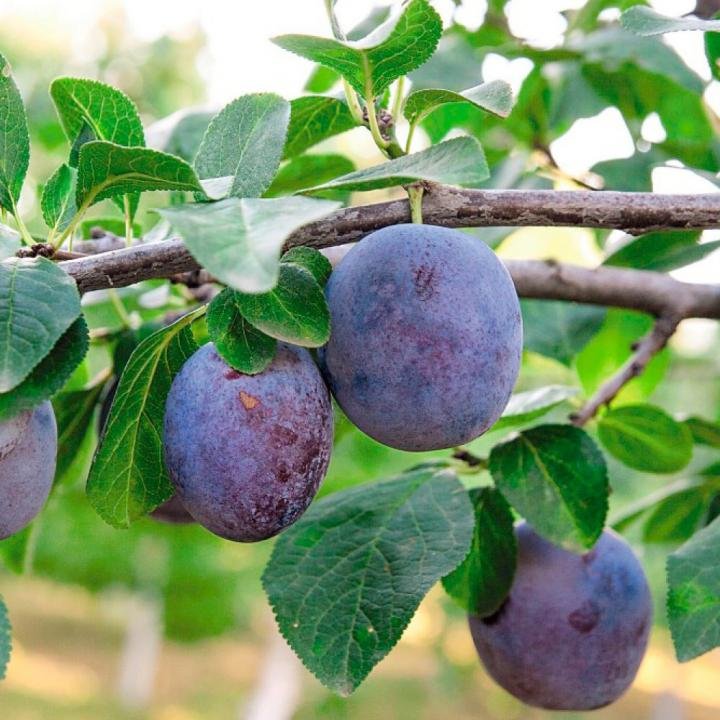
Like all plums, the Black Amber thrives in sunny conditions and fertile, well-drained soil. However, it’s slightly more adaptable than other varieties, tolerating a range of climates from subtropical to temperate.
1. Climate:
Black Amber plums perform best in regions with cool winters and warm summers. They need chilling hours (around 600–800) for proper dormancy and fruit set. However, they can also adapt well to areas with mild winters if temperatures occasionally drop below 7°C.
2. Sunlight:
Choose a location that gets at least 6–8 hours of direct sunlight daily. Full sun promotes better flowering, fruit color, and sweetness.
3. Soil:
The tree prefers well-drained loamy soil rich in organic matter. Avoid waterlogged or heavy clay soils, as these can lead to root rot. A soil pH between 6.0 and 7.0 is ideal.
4. Spacing:
For home gardens, plant trees about 12–15 feet apart to allow proper airflow and canopy development. In commercial orchards, spacing can vary based on rootstock and pruning method.
How to Plant Black Amber Plum Trees
Planting your Black Amber plum correctly is key to a strong and fruitful tree.
1. Timing:
The best time to plant is early spring or fall when the tree is dormant. Bare-root trees should be planted before buds break in spring, while potted trees can be planted anytime if soil conditions are right.
2. Planting Hole:
Dig a hole about twice as wide as the root ball and equally deep. Gently loosen the roots before placing the tree in the hole. Ensure the graft union (the swollen part near the base) sits 2–3 inches above soil level.
3. Backfill and Water:
Refill the hole with a mix of native soil and compost. Firm it down gently and water thoroughly to eliminate air pockets. Mulch the base to retain moisture but keep mulch away from the trunk to prevent rot.
4. Staking:
If the area is windy, stake the tree for the first year to support straight growth.
Caring for Black Amber Plum Trees
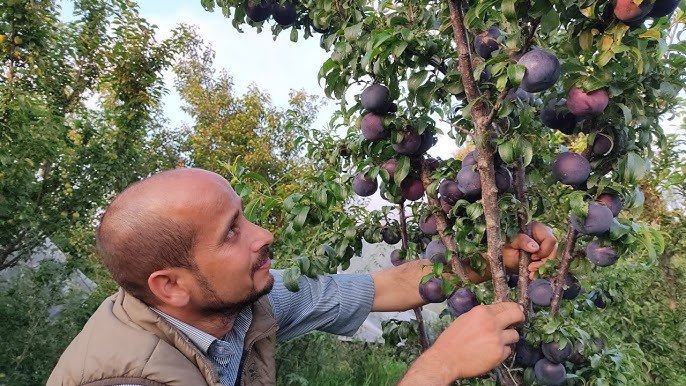
To enjoy heavy yields of sweet, juicy fruit, you’ll need to give your Black Amber plum the right care throughout the year.
1. Watering:
Young trees need consistent moisture. Water deeply once or twice a week, especially during dry spells. Mature trees can tolerate slight drought but perform best with regular watering during fruit development.
2. Fertilization:
Feed your tree in early spring using a balanced fertilizer (10-10-10) or organic compost. Avoid over-fertilizing, which can lead to excessive vegetative growth and fewer fruits.
3. Pruning:
Prune in late winter while the tree is dormant. Remove dead or crossing branches and shape the canopy for airflow and sunlight penetration. A vase-shaped or open-center form works best for Japanese plums.
In summer, light pruning can help maintain shape and improve fruit quality.
4. Pollination:
Black Amber plums are partially self-fertile, meaning they can produce some fruit on their own, but cross-pollination with another Japanese plum variety like Santa Rosa or Satsuma greatly improves yields.
Ensure pollinator varieties bloom around the same time for effective fruit set.
5. Pest and Disease Control:
- Aphids and Plum Curculio: Use neem oil or insecticidal soap to control these common pests.
- Brown Rot: Avoid overhead watering and prune for good air circulation to prevent this fungal disease.
- Leaf Curl and Rust: Regular pruning and clean-up of fallen leaves help minimize infections.
Organic sprays like copper fungicide can be applied before flowering as a preventive measure.
Flowering and Fruit Development
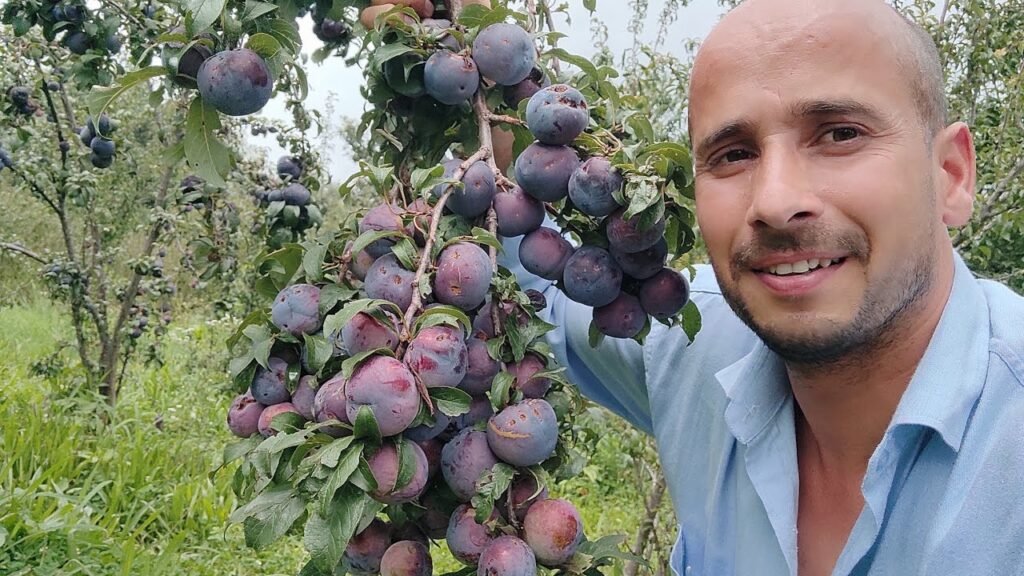
Black Amber plum trees bloom with clusters of white blossoms in early spring—an attractive sight for any garden. Bees and other pollinators play a crucial role in setting fruit. Once pollination occurs, small green plums begin to form and gradually enlarge as summer progresses.
By mid to late summer, the fruits ripen into glossy black-purple globes with a golden interior. Their firmness and low susceptibility to bruising make them easy to handle and transport.
Harvesting and Storage
Harvesting the Black Amber plum at the right time ensures optimal flavor and longevity.
Signs of ripeness:
- The fruit changes color from deep red-purple to almost black.
- It gives slightly to gentle pressure.
- The aroma becomes sweet and rich.
Use pruning shears or twist gently to pick the fruit without damaging branches. Handle carefully to avoid bruising.
Storage tips:
- Store ripe fruits in a cool, dry place for up to a week.
- Refrigerate to extend shelf life up to 3–4 weeks.
- For long-term use, plums can be frozen, dried, or made into jams and preserves.
Thanks to their thick skin and firm texture, Black Amber plums maintain their flavor and freshness longer than most varieties—making them perfect for commercial and home growers alike.
Uses of Black Amber Plums
The versatility of this plum makes it a favorite for both fresh eating and culinary creations.
- Fresh Eating: Enjoy the crisp, juicy sweetness straight from the tree.
- Preserves & Jams: The high sugar content makes excellent jam or jelly.
- Desserts: Use in pies, tarts, and cobblers for a rich, fruity flavor.
- Dehydration: Dry slices for healthy snacks that store well for months.
- Juices & Smoothies: The golden flesh creates flavorful beverages.
Its natural sweetness and vibrant flavor also pair beautifully with cheese platters, salads, and roasted meats.
Why Black Amber Is the “King of Plums”
Gardeners and fruit lovers alike call the Black Amber the King of Plums for good reason:
- It’s high-yielding, producing large crops every year.
- The fruit’s rich flavor and long storage life make it both delicious and practical.
- Its attractive appearance adds value for home gardens and markets.
- It’s versatile—excellent for eating fresh or using in recipes.
- The tree itself is low-maintenance and hardy, adapting to a range of climates.
Whether you’re a backyard grower or managing a small orchard, this variety offers everything you could want in a fruit tree—beauty, taste, productivity, and reliability.
Final Thoughts
The Black Amber plum is truly a masterpiece of nature—a perfect blend of flavor, color, and longevity. With its glossy black skin, juicy golden flesh, and long storage life, it rightfully earns the title of “King of Plums.”
Easy to grow, highly productive, and stunning in appearance, this variety deserves a spot in every home orchard. By providing the right care—ample sunlight, regular watering, and light pruning—you’ll be rewarded with baskets of delicious, sweet plums season after season.
If you’re looking to grow a rare and rewarding fruit that combines taste with practicality, the Black Amber plum is the perfect choice. Once you bite into that first sun-warmed fruit from your own tree, you’ll understand why gardeners around the world are calling it the ultimate plum variety to grow at home.