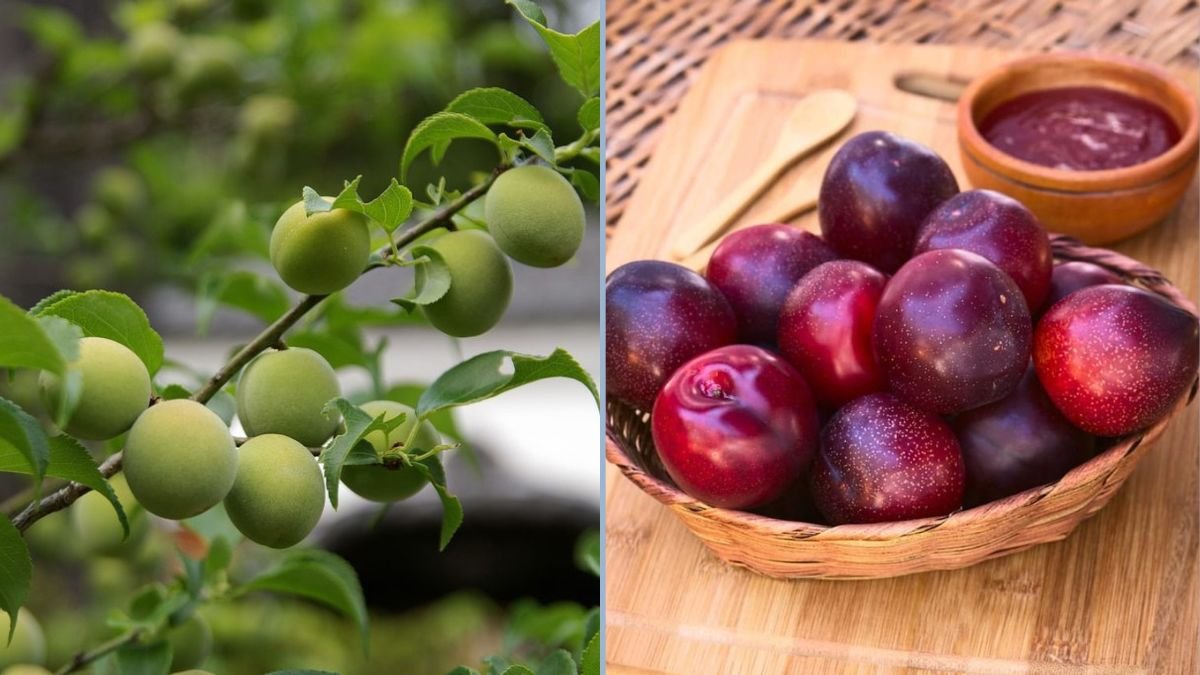
Harvest season in the backyard garden is one of the most rewarding times for any gardener. The satisfaction of picking ripe, juicy fruit straight from your trees is unmatched. Recently, I had the pleasure of harvesting two remarkable varieties: the Satsuma plum and the Royal Blenheim cherry. Both are celebrated for their exceptional flavor, vibrant color, and versatility in the kitchen. In this post, we’ll explore the characteristics of these fruits, tips for successful harvesting, and ways to enjoy them fresh or preserved.
1. Introduction to Satsuma Plums and Royal Blenheim Cherries
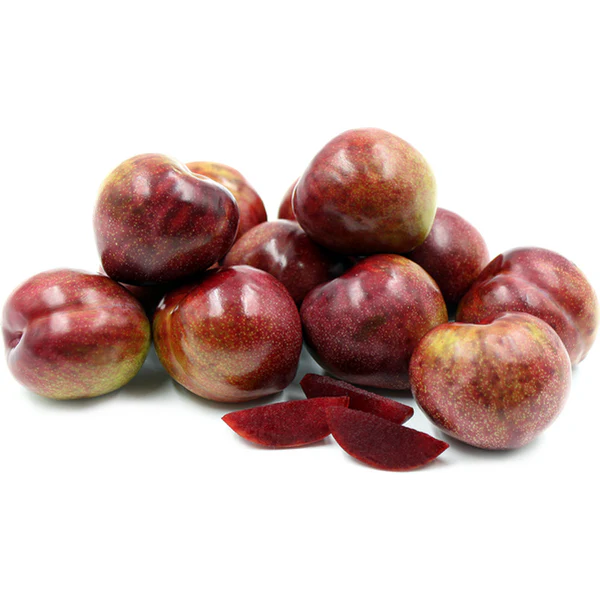
Satsuma Plum
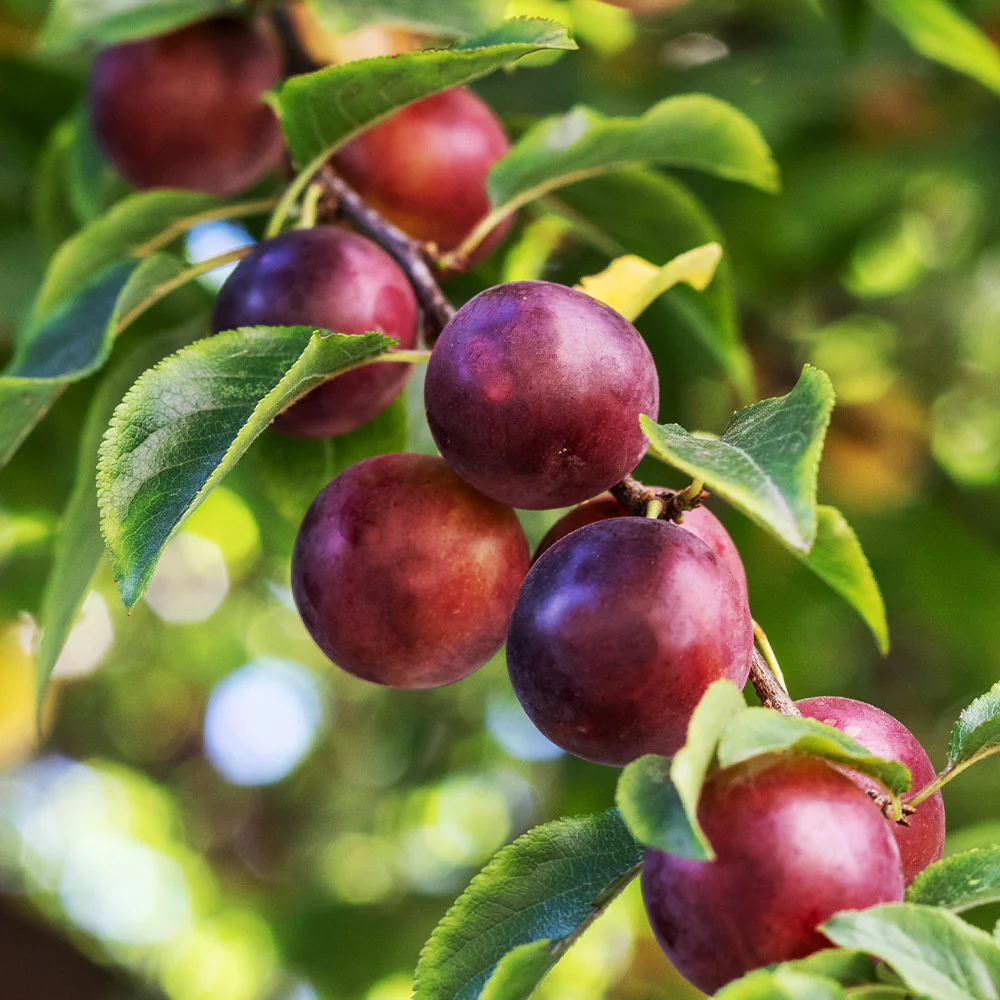
The Satsuma plum is a Japanese variety of plum renowned for its sweet, juicy flesh and striking reddish-purple skin. It’s a mid-season variety, making it perfect for extending your backyard fruit harvest. Gardeners love Satsuma plums for their flavor, reliable fruiting, and adaptability to home orchards.
Royal Blenheim Cherry
Royal Blenheim is a classic sweet cherry variety, known for its rich red color and intensely sweet flavor. It’s prized for fresh eating and culinary uses alike. While slightly more delicate than plums, Royal Blenheim cherries reward careful gardeners with outstanding fruit.
2. Characteristics of Satsuma Plums
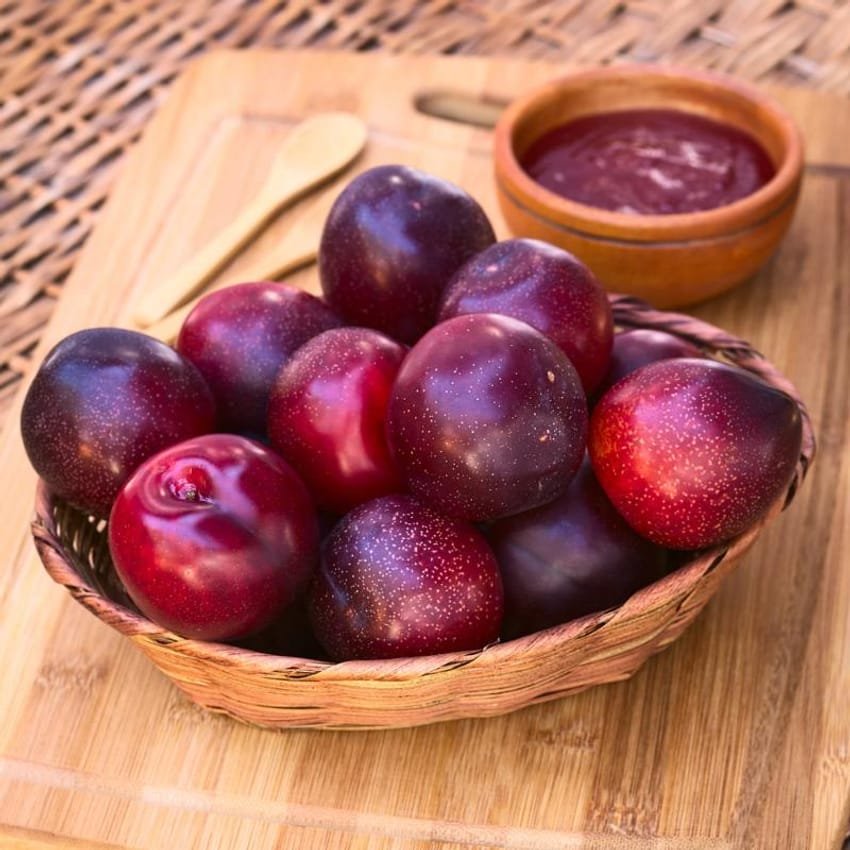
Satsuma plums are distinguished by several features that make them a favorite among backyard gardeners:
- Color and Appearance: Deep reddish-purple skin with a golden, juicy interior.
- Flavor: Sweet and aromatic with a hint of tartness.
- Size: Medium-sized fruit, easy to handle and ideal for fresh eating or preserves.
- Tree Habit: Vigorous but manageable, suitable for small backyard orchards.
Satsuma plums are versatile in culinary use, perfect for fresh consumption, baking, and preserving. Their balanced sweetness makes them ideal for jams, pies, and compotes.
3. Characteristics of Royal Blenheim Cherries
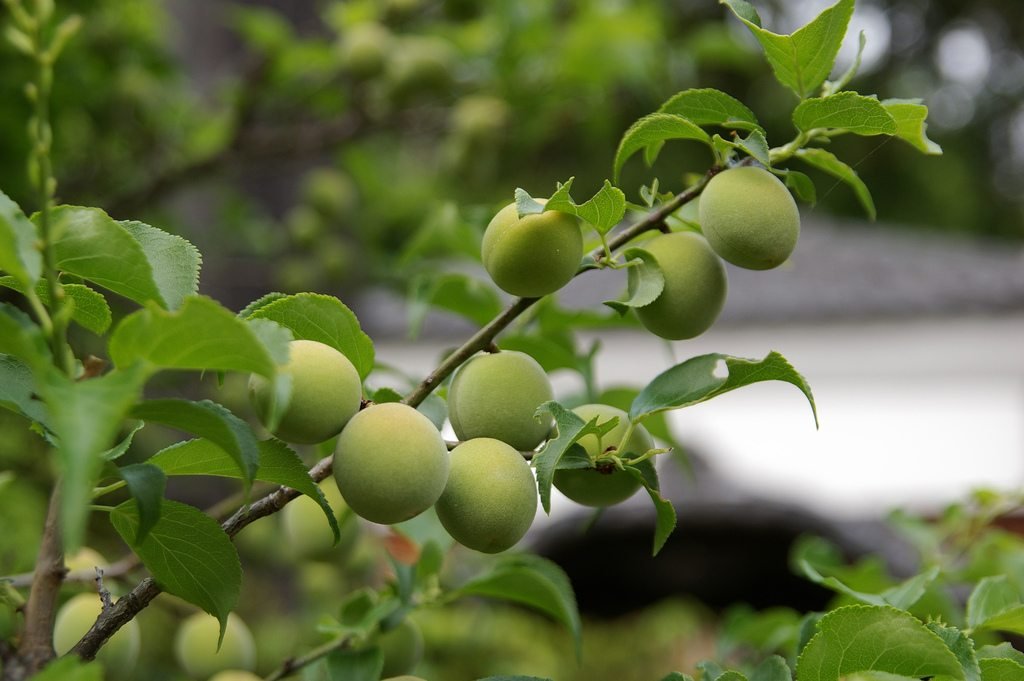
Royal Blenheim cherries are cherished for their taste and appearance:
- Color: Deep red to crimson when fully ripe.
- Flavor: Intensely sweet, rich, and succulent, making them perfect for fresh eating or desserts.
- Harvest Timing: Early to mid-summer, providing a delicious first taste of the season.
- Tree Habit: Medium-sized trees, moderately vigorous, with spreading branches that support abundant fruit.
Royal Blenheim cherries are excellent for canning, baking, or enjoying fresh. Their bright color and sweetness make them ideal for pies, sauces, and jams.
4. Preparing for Harvest
Proper preparation ensures a successful and enjoyable harvest. Here’s what to consider for Satsuma plums and Royal Blenheim cherries:
Timing:
- For Satsuma plums, look for deep color and slight softness when gently squeezed.
- For Royal Blenheim cherries, fruit should be fully red and firm but slightly yielding.
Tools:
- Use small baskets or buckets to avoid crushing delicate fruit.
- Consider hand pruners or scissors for cherries with long stems to reduce damage to the fruit.
Handling:
- Handle fruit gently to prevent bruising.
- Harvest in the morning or late afternoon to avoid heat stress on fruit.
5. Harvesting Satsuma Plums
Harvesting Satsuma plums is straightforward but requires careful attention to ripeness:
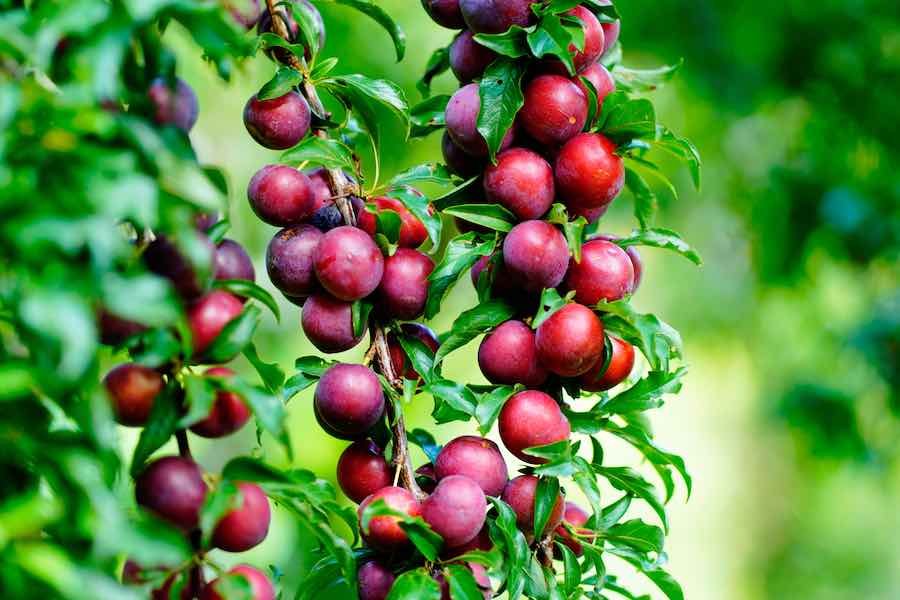
- Color Check: Look for a rich reddish-purple hue.
- Firmness Test: Fruit should yield slightly to gentle pressure but not be overly soft.
- Picking: Twist the plum gently or use scissors to avoid tearing the stem.
- Storage: Fresh plums can be stored in the refrigerator for up to a week. Overripe plums can be used in preserves, jams, or baked goods.
Regular harvesting encourages more fruit production and reduces the risk of disease or damage from pests.
6. Harvesting Royal Blenheim Cherries
Cherries are more delicate than plums, requiring extra care during harvest:
- Color Check: Cherries should be deep red and glossy.
- Firmness Test: Slightly soft when gently squeezed but not mushy.
- Picking Technique: Hold the stem and gently twist to remove the cherry from the branch. Leaving the stem attached extends shelf life.
- Storage: Store cherries in a cool place or refrigerate immediately. They can last up to a week when kept cold.
For maximum flavor, enjoy Royal Blenheim cherries fresh within a few days of harvest.
7. Culinary Uses for Satsuma Plums and Royal Blenheim Cherries
Both fruits are versatile in the kitchen, offering many ways to enjoy their flavors:
Satsuma Plums:
- Fresh Eating: Simply rinse and enjoy the sweet, juicy flesh.
- Baking: Use in pies, tarts, muffins, or crumbles.
- Preserving: Make jams, jellies, or plum syrup for long-term use.
- Cooking: Incorporate into sauces for meats or desserts.
Royal Blenheim Cherries:
- Fresh Eating: Perfect as a healthy snack or salad addition.
- Baking: Ideal for cherry pies, tarts, and clafoutis.
- Preserving: Can be canned, frozen, or made into jams and syrups.
- Desserts: Add to ice cream, sorbet, or compotes for natural sweetness.
Both fruits bring natural sweetness and vibrant color to any recipe, making them a joy to cook with.
8. Challenges and Tips for Backyard Fruit Trees
While Satsuma plums and Royal Blenheim cherries are rewarding, gardeners should be aware of challenges:
Pests:
- Plums can attract plum curculio, aphids, and birds.
- Cherries are highly attractive to birds and may require netting.
Diseases:
- Fungal issues like brown rot can affect both plums and cherries, especially in humid climates.
- Proper pruning and good airflow help prevent disease.
Climate Sensitivity:
- Frost can damage blossoms, reducing fruit yield. Protective measures may be needed in early spring.
Tips for Success:
- Monitor trees regularly for pests and disease.
- Prune annually to maintain shape and improve sunlight penetration.
- Mulch to conserve moisture and regulate soil temperature.
- Provide adequate water, especially during dry periods, but avoid waterlogging.
9. Benefits of Growing Backyard Fruit Trees
Growing your own Satsuma plums and Royal Blenheim cherries has many advantages:
- Freshness and Flavor: Homegrown fruit tastes better than store-bought, with more natural sweetness.
- Organic Options: You can grow fruit without synthetic chemicals, ensuring healthy produce.
- Sustainability: Growing your own fruit reduces reliance on commercial supply chains.
- Educational Value: Fruit trees provide a hands-on way to learn about plant biology, seasons, and ecology.
- Family Enjoyment: Picking fruit together is a fun, rewarding activity for children and adults alike.
10. Extending the Harvest Season
By planting a mix of early and mid-season varieties like Royal Blenheim cherries and Satsuma plums, gardeners can enjoy fresh fruit over a longer period. Early cherries provide the first sweet taste of summer, while mid-season plums extend the harvest into late summer. This staggered approach maximizes backyard productivity and enjoyment.
11. Preserving Your Harvest
For gardeners with abundant fruit, preserving excess Satsuma plums and Royal Blenheim cherries ensures that nothing goes to waste:
- Freezing: Wash, pit, and freeze fruit for later use in smoothies, desserts, or sauces.
- Canning: Make jam, jelly, or pie filling for year-round enjoyment.
- Drying: Slice plums and cherries and dry them for snacks or baking ingredients.
- Sauces and Syrups: Cook down fruit with sugar to create syrups for pancakes, desserts, or cocktails.
Preservation allows gardeners to enjoy the fruits of their labor even after the harvest season ends.
12. Conclusion
Harvesting Satsuma plums and Royal Blenheim cherries in your backyard is a deeply satisfying experience. These fruits are prized for their exceptional flavor, vibrant color, and versatility in the kitchen. By planting and caring for these trees thoughtfully, gardeners can enjoy a steady supply of fresh fruit throughout the season.
From picking sweet, juicy cherries to savoring the rich flavor of mid-season plums, backyard fruit harvesting is both a hobby and a lifestyle. With proper care, pest management, and attention to ripeness, your Satsuma plums and Royal Blenheim cherries will reward you with bountiful harvests year after year.
Whether enjoyed fresh, baked into pies, or preserved for later, these fruits bring flavor, nutrition, and joy to your home garden. Start planning your backyard fruit trees today and experience the delight of harvesting Satsuma plums and Royal Blenheim cherries straight from your own garden.