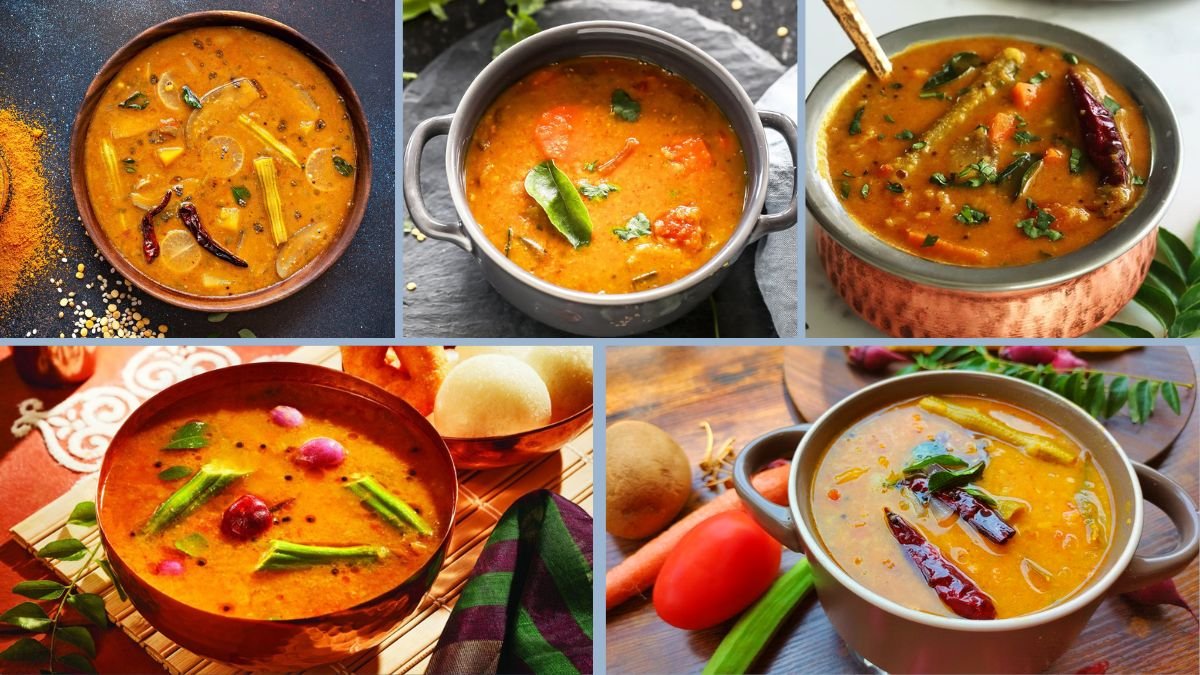
Sambar in English means “Lentil Vegetable Stew” or “Spicy Lentil Soup.” Discover what sambar is called in English, how it’s made, its role in South Indian meals, the different types of sambar, health benefits, and why it’s loved across India and beyond. Add as a preferred source on Google.
Sambar in English:
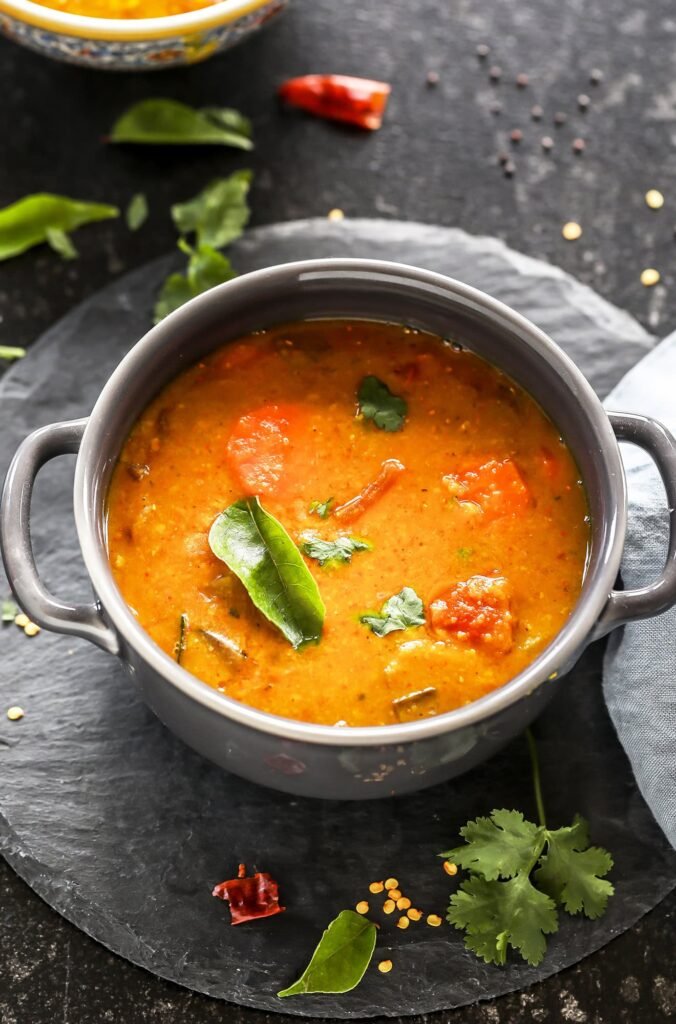
Sambar is a flavorful and essential dish in South Indian cuisine. In English, sambar is often described as a “spiced lentil and vegetable stew” or “savory lentil soup.” It is made using toor dal (pigeon pea lentils), tamarind, vegetables, and a special blend of spices called sambar powder.
Unlike Western soups, sambar is both spicy and tangy, and it is served hot with rice, idli, dosa, vada, or upma. Its comforting flavor and health benefits make it a staple in millions of Indian households.
What Is Sambar Called in English?
The English meaning of sambar is best expressed as:
- Lentil Vegetable Stew
- Spicy Lentil Soup
- Tamarind-Flavored Dal
- South Indian Lentil Curry
While there’s no single English word that captures the full essence of sambar, calling it a “spicy lentil-based stew with vegetables and tamarind” gives a clear picture to non-Indian audiences.
It’s one of the most important parts of a South Indian thali and a must-have with dosa or idli.
Types of Sambar in English
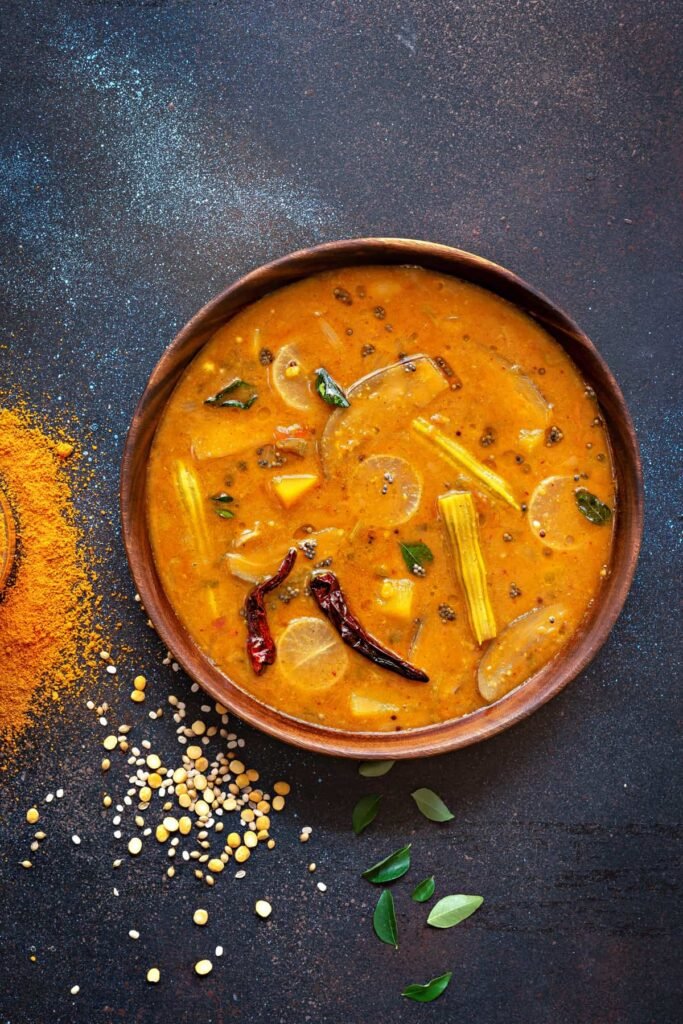
There are many varieties of sambar, and each has slight differences based on ingredients and region. Here are some types and how you might describe them in English:
• Vegetable Sambar in English –
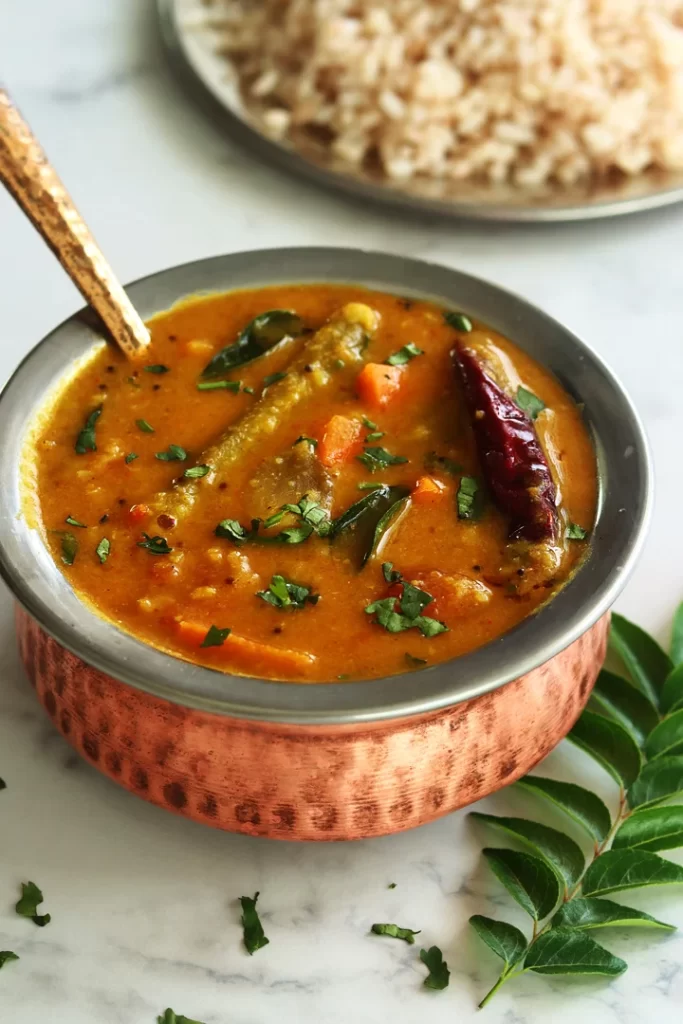
“Mixed Vegetable Lentil Stew” – The classic version with toor dal, drumstick (moringa), pumpkin, carrots, brinjal, or beans.
• Onion Sambar in English –
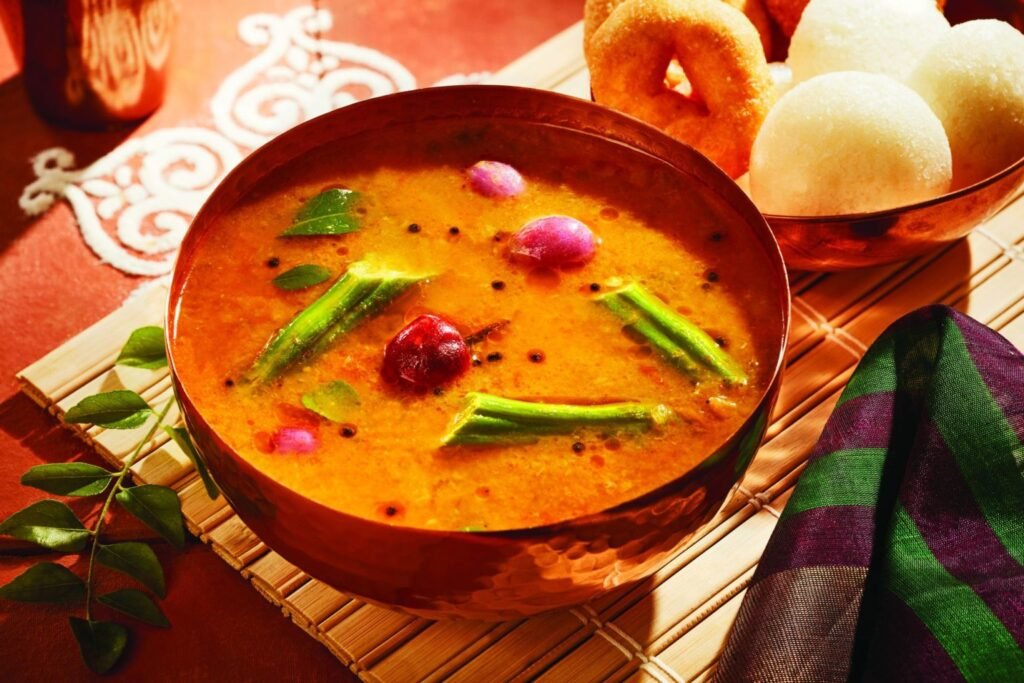
“Shallot Lentil Stew” – Uses small onions (shallots or pearl onions) for a sweet and rich flavor. Popular in Tamil Nadu.
• Murungakkai Sambar in English –
“Drumstick Lentil Stew” – Features drumsticks (moringa pods), known for their earthy taste and health benefits.
• Arachuvitta Sambar in English –
“Ground Masala Lentil Stew” – A Tamil Brahmin-style sambar made with freshly roasted and ground spices and coconut.
• Hotel Sambar in English –
“Restaurant-Style Sambar” – Slightly sweeter and richer, often served in South Indian restaurants with idli or dosa.
• Kerala Sambar in English –
“Kerala-Style Lentil Curry” – Made with coconut, vegetables, and jaggery for a balanced sweet-spicy-tangy taste.
Sambar Recipe in English
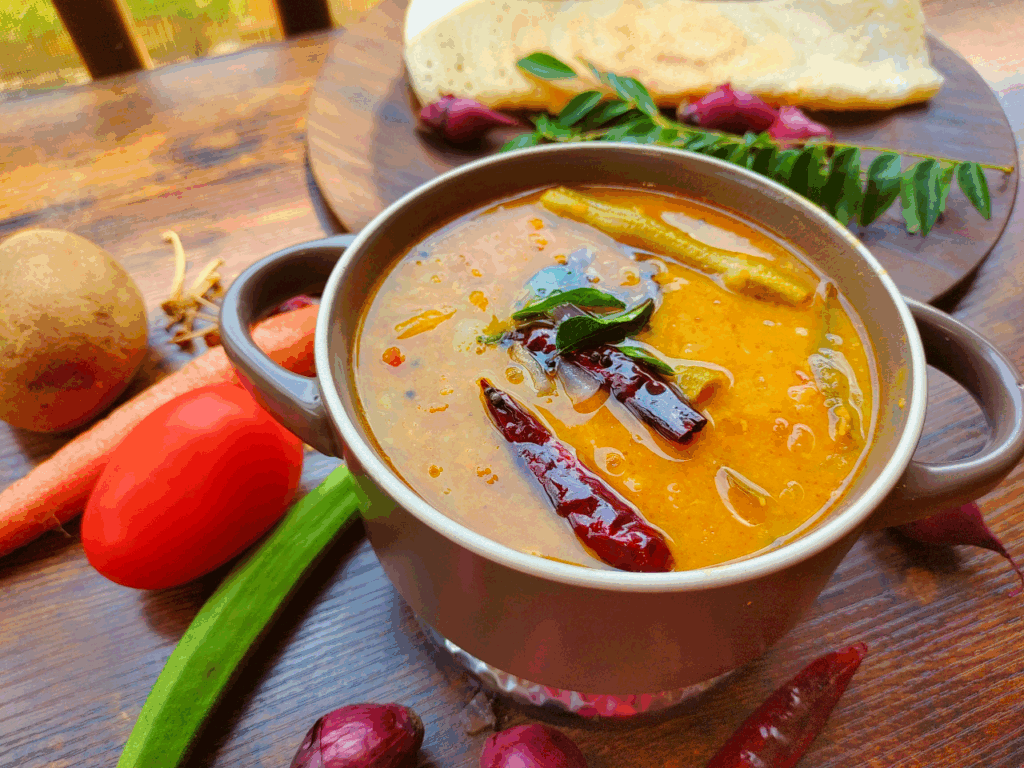
The sambar recipe is simple yet layered with flavors:
- Cook the lentils (usually toor dal) until soft.
- Prepare the vegetables like carrots, pumpkin, drumstick, or okra.
- Add tamarind extract, salt, turmeric, and let it simmer.
- Add cooked dal, and mix in sambar powder – a blend of roasted lentils, red chilies, coriander seeds, and spices.
- Finish with a tempering of mustard seeds, curry leaves, and hing (asafoetida) in oil or ghee.
Sambar is simmered until all flavors come together beautifully. It’s hearty, spicy, and perfect for pairing with both rice and breakfast items.
Sambar with Dosa, Idli, and More
In English, sambar is often described together with South Indian dishes it’s served with:
- Idli with Sambar – “Steamed rice cakes with lentil stew.”
- Dosa with Sambar – “Crispy Indian pancake with spicy lentil soup.”
- Rice with Sambar – “Steamed rice served with vegetable lentil curry.”
- Vada with Sambar – “Fried lentil doughnuts soaked in spiced lentil stew.”
The combination of sambar and coconut chutney is essential in any South Indian meal and is both comforting and satisfying.
Health Benefits of Sambar
Sambar is not only tasty—it’s also a nutrient-rich and balanced dish. Here’s why:
- High in Protein – Toor dal (pigeon peas) provides plant-based protein essential for growth and energy.
- Rich in Fiber – The vegetables used in sambar aid digestion and promote gut health.
- Low in Fat – Made with very little oil, sambar is light and heart-friendly.
- Gluten-Free & Vegan – Naturally free from gluten and dairy, making it suitable for various dietary needs.
- Boosts Immunity – Spices like turmeric, mustard seeds, and curry leaves have natural healing properties.
Whether you eat it with rice for lunch or dip your dosa in it for breakfast, sambar keeps you full and energized.
Fun Facts About Sambar
- Sambar is believed to have been named after Sambhaji, the son of Maratha ruler Shivaji, who once improvised the dish.
- It’s a key part of traditional South Indian festivals and weddings.
- Many South Indian restaurants have their own secret sambar recipe, often passed down for generations.
- Idli-Sambar is considered one of the healthiest breakfasts in the world!
- The sambar podi (powder) used in homes varies from region to region, giving each sambar a distinct taste.
Final Thoughts
So, what is Sambar called in English? The best way to describe sambar is as a “spicy lentil and vegetable stew” or a “tangy lentil soup” made with tamarind and aromatic Indian spices. It is the soul of South Indian meals – comforting, nutritious, and full of flavor.
Whether you’re pairing it with idli, dosa, or rice, sambar turns every meal into something special. From households to hotel kitchens, this humble dish continues to win hearts worldwide.