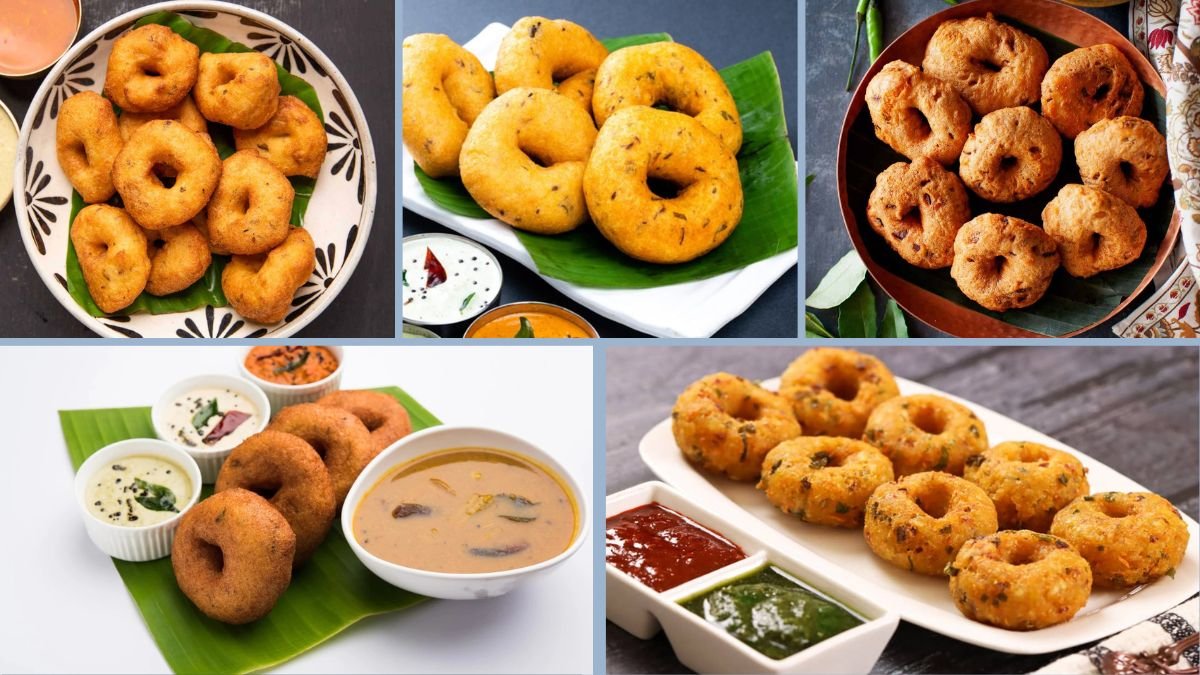
Vada in English means “Indian savory fritter” or “fried lentil doughnut.” Learn about the English name of vada, its different types like medu vada, masala vada, sabudana vada, and batata vada, how vadas are made, what they are eaten with, health aspects, and fun vada facts. Add as a preferred source on Google.
Vada in English:
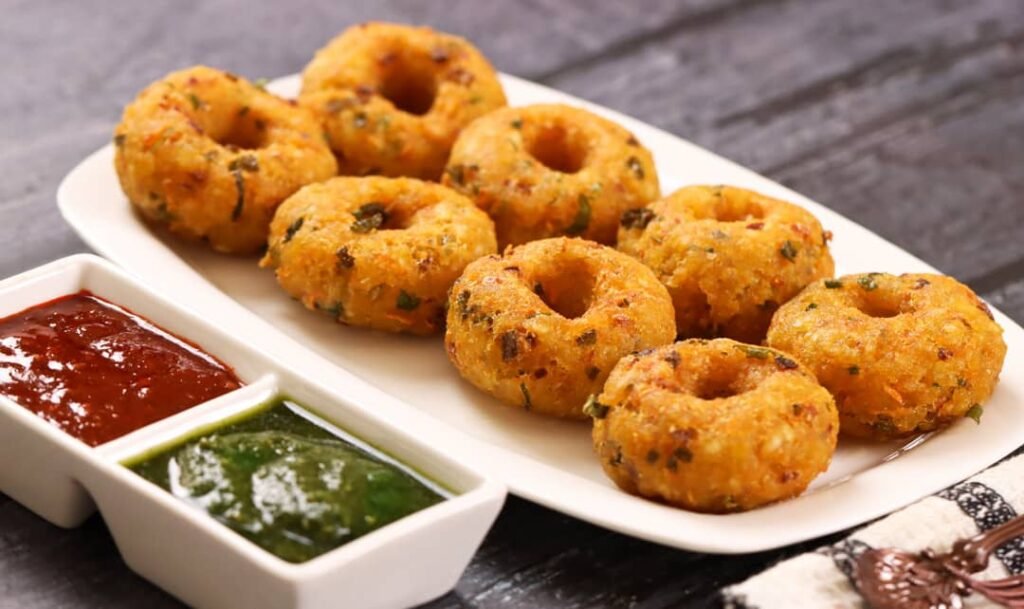
Vada is a beloved deep-fried snack that originated in South India but has spread its influence across every corner of India. In English, vada is generally referred to as a “savory fritter” or a “fried lentil doughnut.” It is made by grinding soaked lentils or other ingredients into a batter, seasoning it with spices, and deep-frying until crispy and golden.
While there are many varieties of vada based on region and ingredients, the idea remains the same – a crispy, flavorful snack that is crunchy on the outside and soft on the inside.
Keep reading to learn what vada is called in English and the different kinds of vadas enjoyed across India.
What Is Vada Called in English?
The meaning of vada in English depends on the type, but it can be described as:
- Savory fritter
- Spiced lentil fritter
- Indian fried snack
- Fried lentil doughnut (especially for medu vada due to its shape)
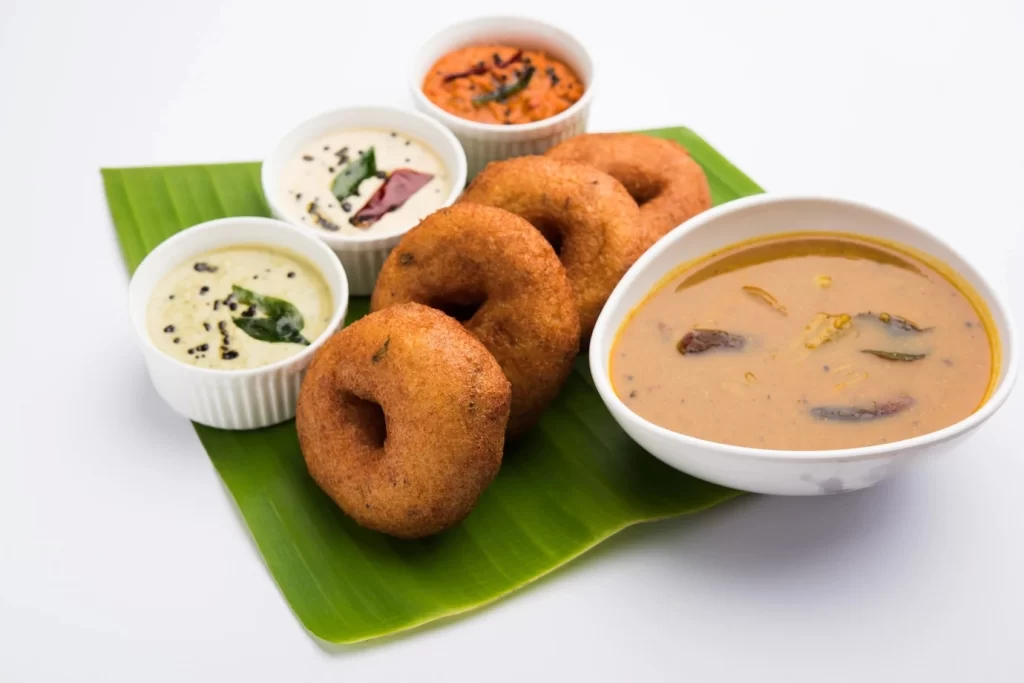
Unlike sweet Western doughnuts, vada is savory and spiced, often served with coconut chutney and sambar, especially in the South.
It’s a staple in South Indian breakfasts and street food in the West and North. From temples to tea shops, vada is loved everywhere.
Types of Vada in English
There are many types of vada, each with its own flavor, texture, and name in English:
• Medu Vada in English –
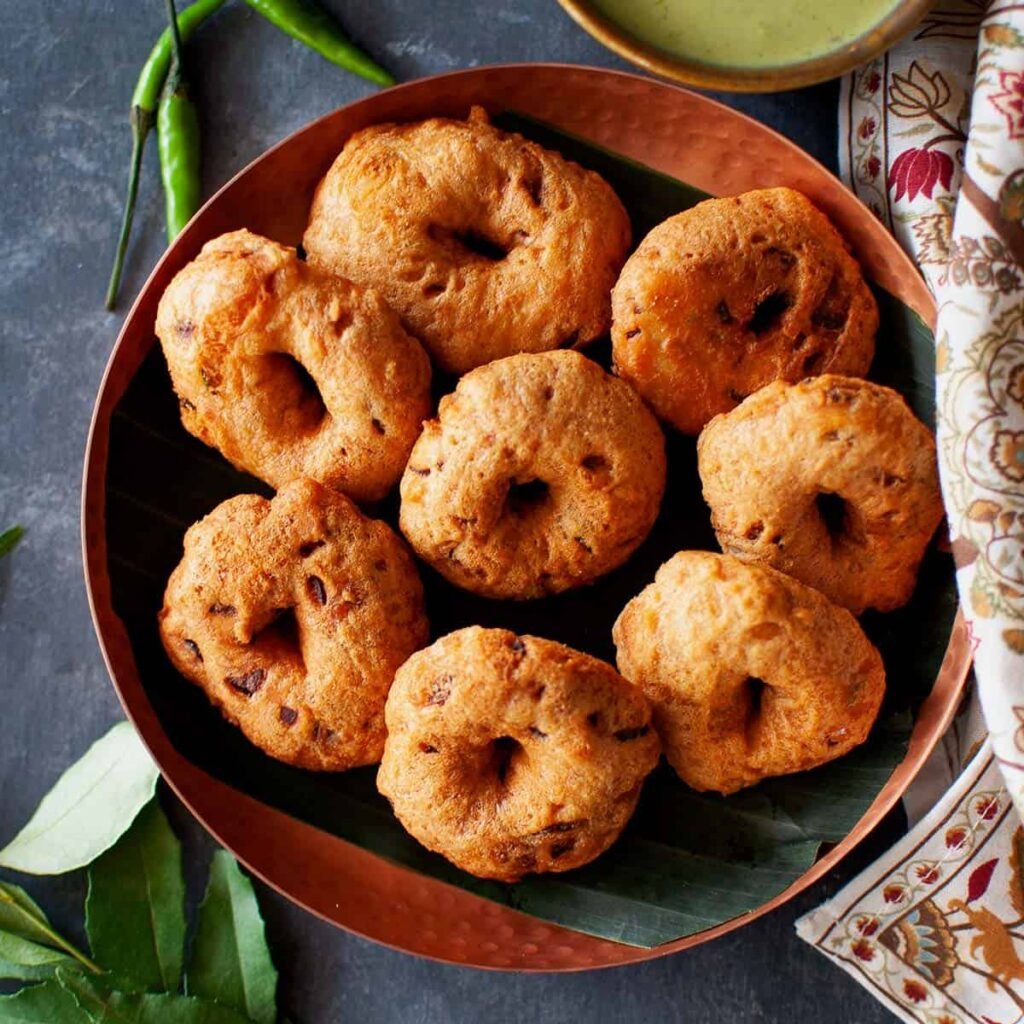
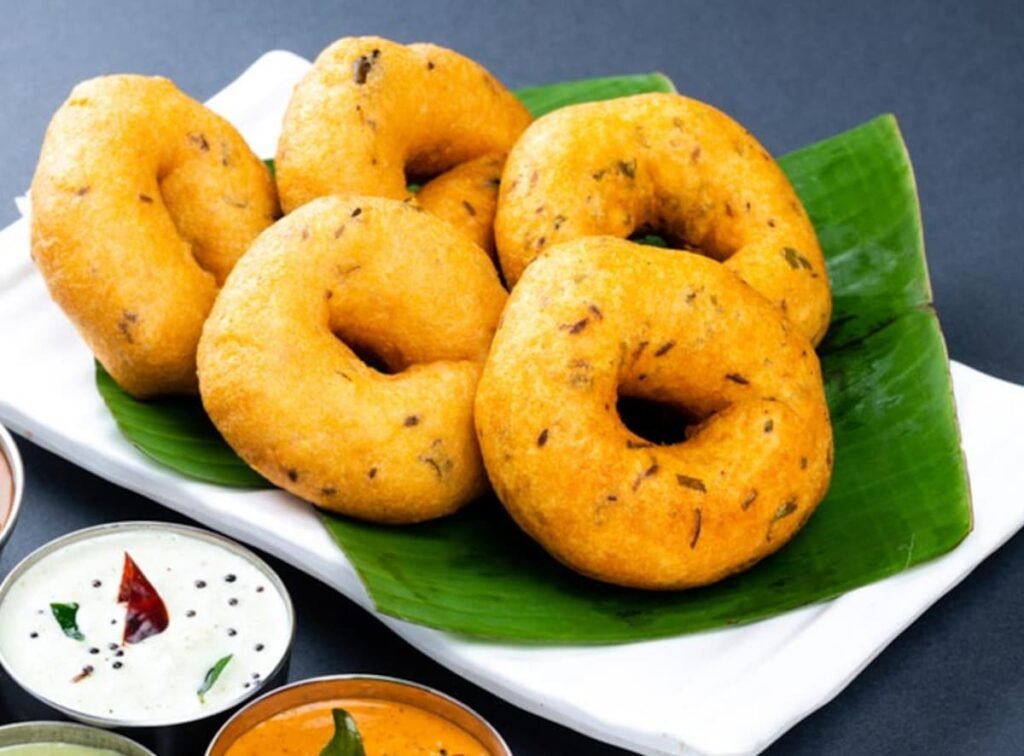
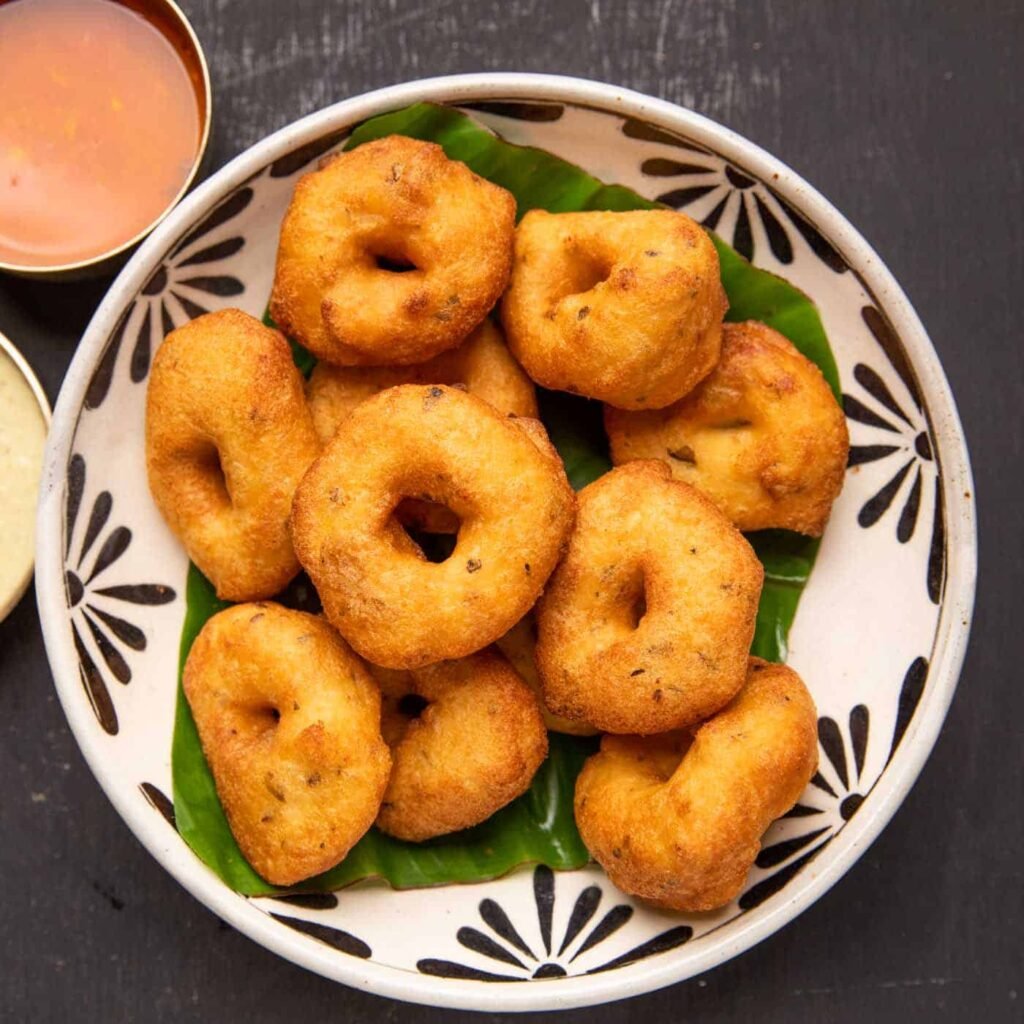
“Fried lentil doughnut” – This is the most popular vada from South India. Made with urad dal (black gram), the batter is shaped like a doughnut with a hole in the center. It’s crisp outside and soft inside, often served with sambar and chutney.
• Masala Vada in English –
“Spiced chana dal fritter” – Also known as paruppu vada, it’s made from split chickpeas, mixed with onions, curry leaves, and spices, then deep-fried. It’s more crunchy and rustic in texture.
• Sabudana Vada in English –
“Tapioca fritter” – A Maharashtrian specialty made during fasting (vrat), using soaked sabudana (tapioca pearls), mashed potatoes, peanuts, and mild spices. It’s crispy and perfect with sweet curd or green chutney.
• Batata Vada in English –
“Spiced potato fritter” – A Mumbai street food favorite, this vada is made by covering mashed, spiced potatoes in besan (gram flour) batter and deep-frying. When placed inside a pav (bun), it becomes the famous vada pav.
• Dahi Vada in English –
“Lentil dumpling in yogurt” – A soft, soaked vada made from urad dal, served cold in sweetened yogurt and topped with chutneys and spices. A cooling North Indian delicacy.
Vada Recipe in English
Making vada is simple but requires attention to texture and timing.
For Medu Vada:
- Soak urad dal for 4–5 hours and grind to a fluffy, thick batter.
- Mix in salt, chopped curry leaves, black pepper, and cumin.
- Wet your hands, shape the batter into doughnuts, and deep-fry until golden brown.
- Serve hot with coconut chutney and sambar.
Each type of vada has its own unique preparation but typically involves grinding, shaping, and deep-frying.
Vada with Chutney and Sambar
In India, vada is incomplete without its classic companions:
- Coconut Chutney – Creamy and cooling.
- Tomato or Onion Chutney – Adds a spicy or tangy kick.
- Green Chutney – Refreshing and herbaceous.
- Sambar – A hot, flavorful lentil stew that balances the fried vada beautifully.
The trio of vada, chutney, and sambar is a must-have for breakfast or evening tiffin across South India.
Health Benefits of Vada
While vada is deep-fried, it still offers some nutritional benefits, especially when eaten in moderation:
- Protein-Rich – Most vadas are made from lentils, a great source of plant-based protein.
- Gluten-Free – Naturally gluten-free as they’re made from dal or potatoes, making them suitable for gluten-sensitive individuals.
- Energy-Boosting – High in calories, making it a good option for active people or those needing quick energy.
- Fermented Variants – Some vada batters are lightly fermented, adding gut-friendly properties.
Note: Vada is fried, so excessive consumption may not be ideal for those on low-fat diets. Opt for air-fried or pan-fried versions for a healthier twist.
Fun Facts about Vada
- The name “vada” comes from Sanskrit vataka, which refers to a fried item.
- Medu vada is often offered as prasadam (religious offering) in South Indian temples.
- Mumbai’s vada pav is called the “Indian burger” by many!
- Dahi vada is a Holi and Diwali favorite in North Indian households.
- Some modern cafes now serve baked or air-fried vadas for health-conscious foodies.
Final Thoughts
So, what is Vada called in English? Depending on the variety, it can be called a “savory fritter,” “spiced lentil doughnut,” or “fried Indian snack.” No matter what name you use, vada remains a timeless Indian classic loved for its crunchy texture and bold flavors.
Whether served with chutney and sambar or inside a pav on a busy Mumbai street, vada proves that deep-fried food can be soulful, satisfying, and deeply cultural.