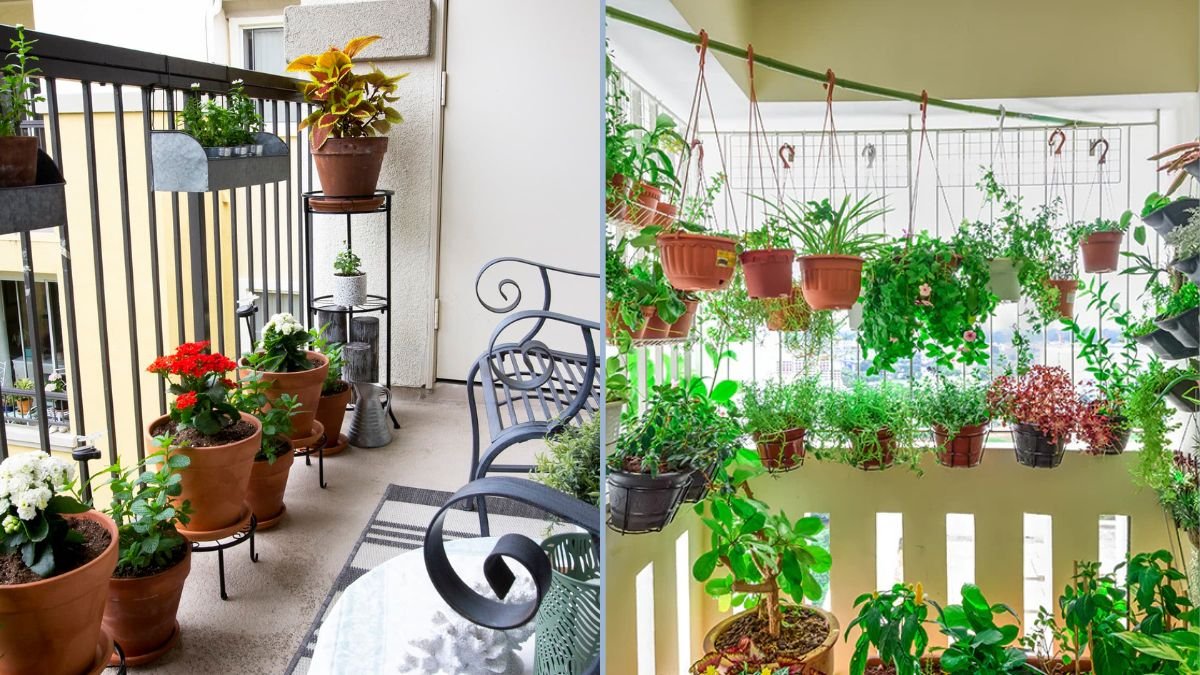
As urban spaces shrink, the dream of cultivating fresh, homegrown vegetables often seems out of reach. Yet, a balcony vegetable garden offers a practical, aesthetic, and sustainable solution. It allows city dwellers to grow fresh produce, engage with nature, and enhance their living environment without requiring a yard or large garden space.
Balcony gardens provide multiple benefits beyond nutrition: they improve air quality, reduce stress, add greenery, and foster eco-conscious living. With proper planning, creative use of containers, and strategic plant selection, a balcony can become a miniature edible paradise, yielding nutritious vegetables year-round.
This article explores innovative ideas, plant selection, container solutions, soil preparation, watering techniques, and maintenance tips to help create a flourishing balcony vegetable garden.
Why Choose a Balcony Vegetable Garden?
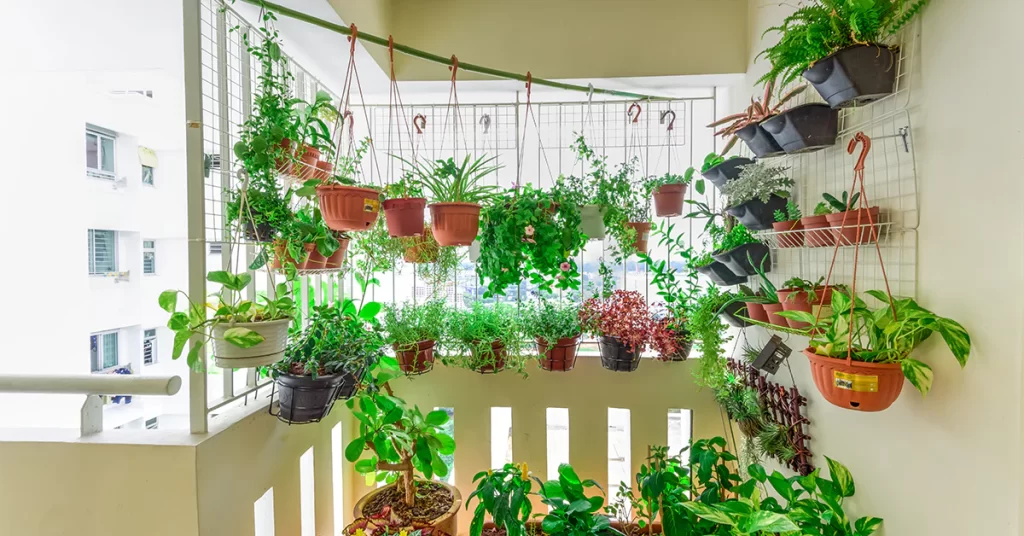
Balcony gardening is an ideal solution for urban households for several reasons:
- Space Efficiency: Perfect for apartments or flats with limited outdoor space.
- Accessibility: Easy access to fresh vegetables while cooking.
- Eco-Friendly: Reduces reliance on store-bought produce and lowers carbon footprint.
- Aesthetic Appeal: Adds greenery and improves the visual appeal of your living space.
- Educational: Provides an opportunity to learn about gardening and plant care.
- Stress Relief: Gardening promotes mindfulness and relaxation.
By turning a balcony into a vegetable garden, residents can enjoy fresh, organic, and chemical-free produce while fostering a sustainable lifestyle.
Step 1: Assessing Your Balcony Space
The first step in creating a balcony garden is evaluating space, sunlight, and load capacity.
Key Considerations:
- Sunlight: Most vegetables require at least 5–6 hours of direct sunlight. South or west-facing balconies are ideal, while north-facing areas may require shade-tolerant plants.
- Load Capacity: Containers filled with soil can be heavy. Ensure the balcony can safely support the weight. Lightweight pots and vertical solutions help.
- Airflow: Proper ventilation prevents fungal infections and encourages healthy growth.
- Safety: Consider railing planters, netting, or raised containers for child and pet safety.
By understanding your balcony’s limitations, you can design a garden that is both safe and productive.
Step 2: Choosing Vegetables for Balcony Gardening
Some vegetables are more suitable for container or vertical growing. Choosing the right crops ensures a higher yield and easier maintenance.
Easy-to-Grow Balcony Vegetables:
- Leafy Greens: Spinach, lettuce, kale, and Swiss chard thrive in shallow containers.
- Herbs: Basil, coriander, mint, oregano, and thyme require minimal space and add flavor to meals.
- Tomatoes: Cherry or patio tomato varieties do well in deep containers and trellises.
- Peppers: Bell peppers and small chili varieties adapt well to containers.
- Radishes: Quick-growing, shallow-rooted, and ideal for small pots.
- Carrots: Choose short or round varieties suitable for containers 10–12 inches deep.
- Peas and Beans: Climbers can grow vertically along trellises, saving floor space.
By combining leafy greens, herbs, and fruiting vegetables, you can achieve year-round productivity with diverse harvests.
Step 3: Container and Planter Ideas
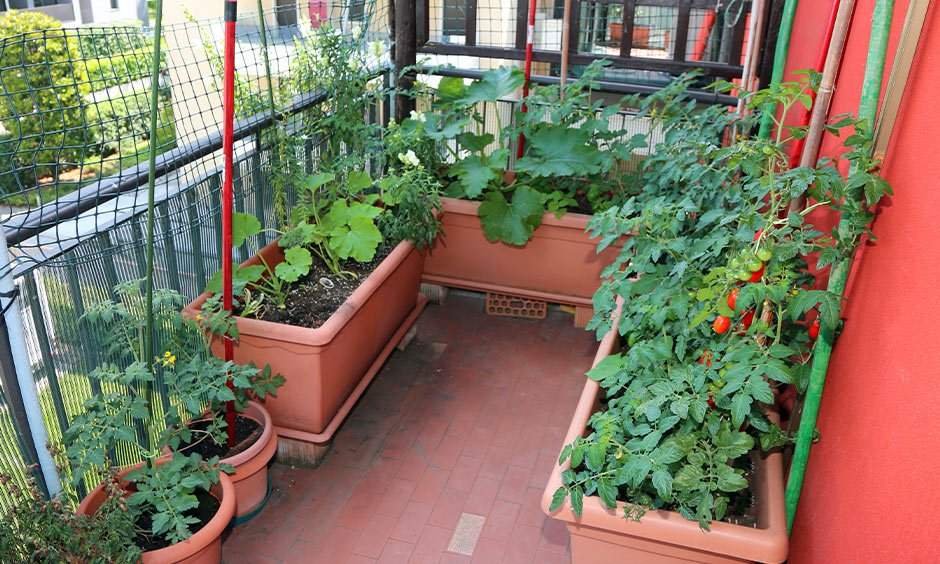
Containers are the backbone of balcony gardening. Creativity in container selection can maximize space and improve aesthetics.
Container Options:
- Standard Pots: Clay, ceramic, or plastic pots are versatile and widely available.
- Hanging Planters: Ideal for herbs, strawberries, or trailing vegetables, saving floor space.
- Vertical Gardens: Use shelves, stackable pots, or wall-mounted pockets to grow more plants in limited space.
- Recycled Containers: Upcycle buckets, crates, or tin cans for eco-friendly solutions.
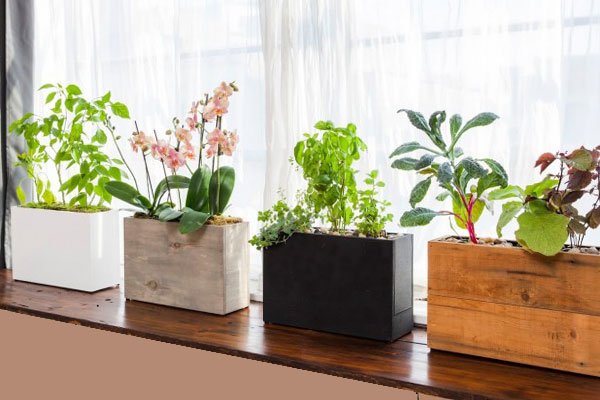
- Window Boxes: Perfect for leafy greens or herbs along the balcony railing.
Container Tips:
- Ensure drainage holes to prevent waterlogging.
- Use lightweight soil mixes like cocopeat or potting mix to reduce weight.
- Consider grouping plants by water and sunlight needs for efficiency.
Creative containers not only support plant health but also enhance the visual appeal of your balcony garden.
Step 4: Soil and Growing Medium
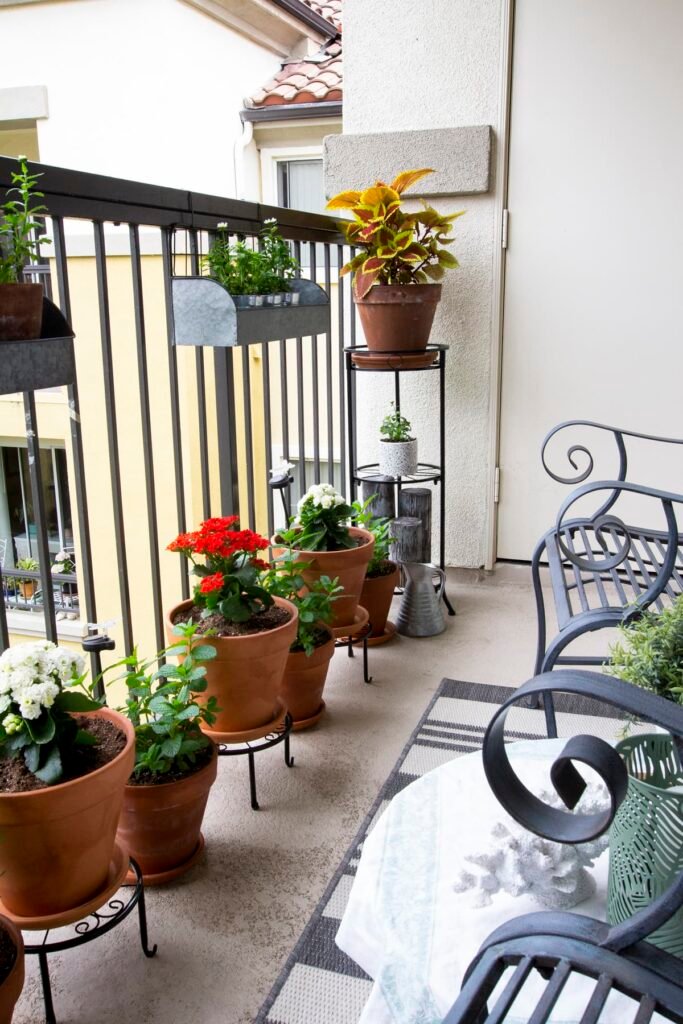
Healthy soil is essential for thriving balcony vegetables. Container-grown plants need nutrient-rich, well-draining soil.
Recommended Mix:
- 40% Compost: Adds organic nutrients.
- 40% Cocopeat or Potting Soil: Retains moisture while providing aeration.
- 20% Perlite or Sand: Improves drainage and prevents compaction.
Tips:
- Avoid using garden soil directly, as it may harbor pests and weeds.
- Periodically refresh or amend soil with compost or vermicompost to maintain fertility.
- Lightly loosen soil before planting to improve root penetration.
A balanced growing medium ensures strong roots, healthy foliage, and productive harvests.
Step 5: Planting and Spacing
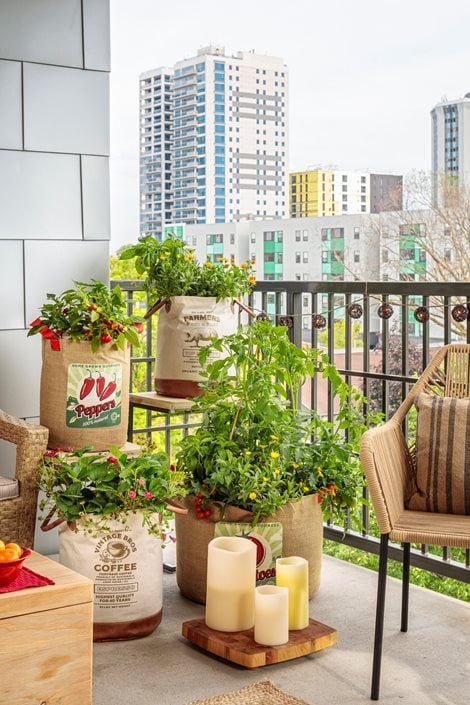
Proper planting techniques ensure optimal growth and reduce competition for nutrients.
Guidelines:
- Follow seed packet instructions for spacing. Crowding can lead to poor airflow and fungal issues.
- Use deep containers for root vegetables and shallow trays for leafy greens.
- Consider succession planting to maintain continuous harvests — sow new seeds every 2–3 weeks.
Good spacing and timely planting maximize yield and maintain plant health.
Step 6: Watering and Fertilization
Container plants require consistent watering and periodic fertilization since they cannot draw nutrients from surrounding soil.
Watering Tips:
- Water early in the morning or evening to reduce evaporation.
- Keep soil evenly moist but not waterlogged.
- Use a watering can with a fine nozzle or drip irrigation for precision.
Fertilization:
- Apply organic fertilizers like compost, vermicompost, or neem cake every 2–3 weeks.
- Liquid fertilizers such as compost tea or seaweed extract can enhance growth.
- Avoid chemical fertilizers, as they can harm beneficial microbes and reduce flavor.
Proper watering and nutrition are critical for maximizing growth and flavor in balcony vegetables.
Step 7: Vertical Gardening Techniques
Vertical gardening allows you to maximize limited space while creating a visually appealing garden.
Ideas for Vertical Growth:
- Trellises: Ideal for peas, beans, cucumbers, and climbing tomatoes.
- Wall-mounted pockets: Grow herbs and small greens vertically on walls or railings.
- Stackable planters: Layer multiple containers to utilize vertical space efficiently.
- Hanging baskets: Great for trailing plants like cherry tomatoes or herbs.
Vertical gardening also improves air circulation and sunlight exposure, reducing pest and disease problems.
Step 8: Pest and Disease Management
Even balcony gardens can attract pests and diseases. Using organic, vegetarian-friendly methods keeps plants safe and edible.
Common Pests and Solutions:
- Aphids: Spray with neem oil or a mild garlic solution.
- Fungal Infections: Avoid overwatering and ensure proper airflow.
- Whiteflies or Spider Mites: Introduce beneficial insects like ladybugs or use insecticidal soap.
Maintaining clean containers, removing yellow leaves, and rotating crops also prevent disease buildup.
Step 9: Harvesting Tips
Timely harvesting is crucial for maintaining plant health and productivity.
Harvest Guidelines:
- Leafy Greens: Pick outer leaves regularly to encourage new growth.
- Herbs: Snip as needed, ideally before flowering for maximum flavor.
- Fruit Vegetables: Harvest when fully ripe; regular picking promotes further fruiting.
Consistent harvesting ensures continuous production and maintains a healthy, thriving garden.
Step 10: Creative Balcony Garden Ideas
- Themed Gardens: Create a salad garden with lettuce, radish, and herbs.
- Companion Planting: Grow basil with tomatoes or peas with lettuce to optimize growth and deter pests.
- Colorful Containers: Use painted pots or decorative baskets to enhance aesthetics.
- Herb Wall: Vertical arrangement of pots for easy access while cooking.
- Seasonal Rotation: Change crops according to the season to maintain productivity year-round.
Balcony gardens are not just functional — they can also be a source of beauty, creativity, and personal satisfaction.
Conclusion
A balcony vegetable garden is an innovative solution for urban dwellers seeking fresh, organic, and homegrown produce. With careful planning, smart container use, and selection of suitable vegetables, even the smallest balcony can become a lush, productive garden.
By growing leafy greens, herbs, and small fruiting vegetables, gardeners can enjoy continuous harvests, year-round nutrition, and eco-friendly living. Vertical gardening, organic fertilization, proper watering, and pest management ensure that balcony gardens remain healthy and sustainable.
Ultimately, balcony gardening combines creativity, nutrition, and environmental responsibility, transforming limited urban spaces into thriving, verdant ecosystems. Every tray, pot, and trellis contributes to a greener lifestyle, empowering urban gardeners to embrace sustainability without leaving home.