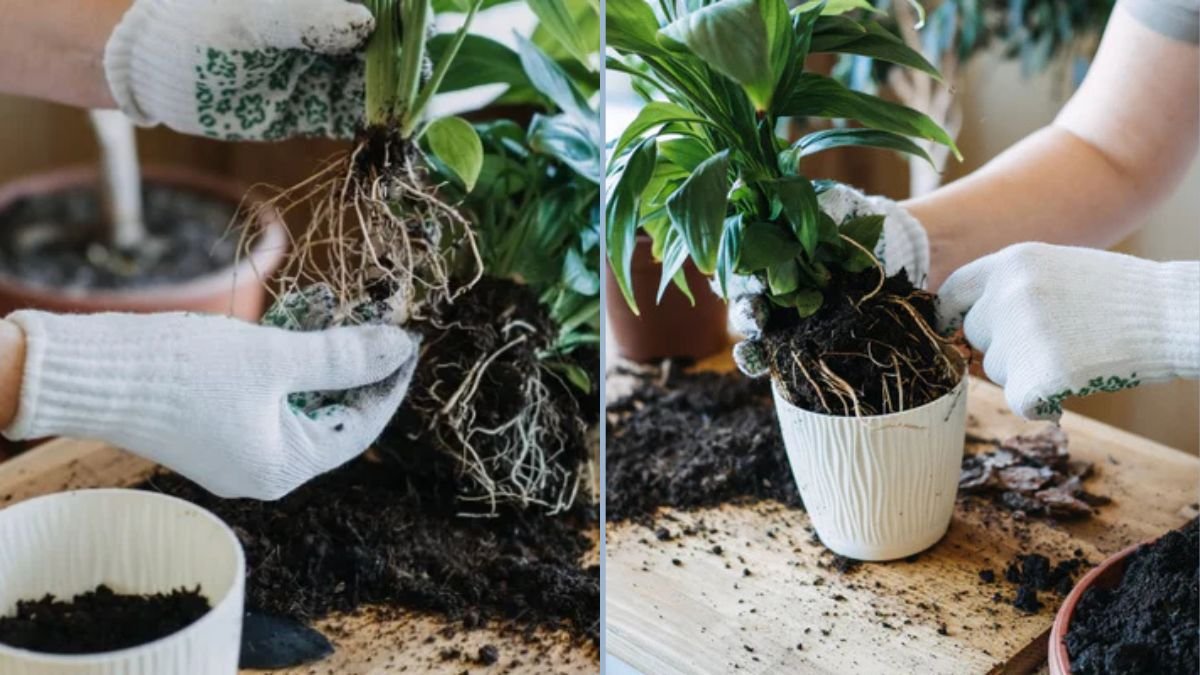
Container gardening has become a popular choice for urban gardeners, apartment dwellers, and those with limited outdoor space. Growing vegetables, herbs, and ornamental plants in containers offers flexibility, accessibility, and the ability to control soil conditions. However, one common challenge that can compromise container plants is root rot. Root rot is a fungal disease that attacks plant roots, reducing nutrient uptake and ultimately killing the plant if not addressed. This article explores the causes, symptoms, prevention, and management strategies for avoiding root rot in container gardens, focusing on sustainable, chemical-free practices.
Understanding Root Rot
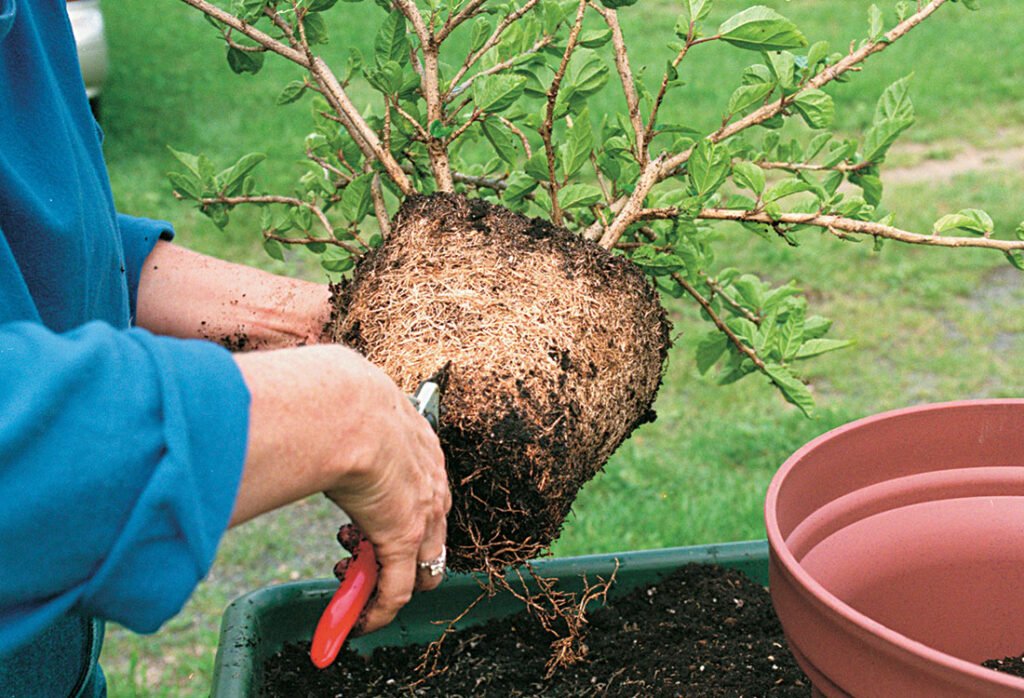
Root rot occurs when plant roots are exposed to consistently wet conditions, promoting the growth of pathogenic fungi such as Pythium, Phytophthora, and Fusarium. Unlike soil-based gardens, container gardens have limited drainage and airflow, making them more susceptible to waterlogged conditions. Root rot prevents roots from absorbing water and nutrients, leading to wilting, yellowing, and stunted growth.
Causes of Root Rot in Container Gardens
Several factors contribute to root rot in container plants:
- Overwatering: Excess water creates anaerobic conditions in the soil, favoring fungal growth.
- Poor Drainage: Containers without drainage holes or with compacted soil prevent water from flowing away.
- Low Soil Aeration: Dense or heavy potting mixes restrict oxygen flow to roots.
- Contaminated Soil or Containers: Fungal spores can persist in old soil, pots, or gardening tools.
- Incorrect Container Size: Too large containers can retain excess moisture, while too small containers restrict root growth.
Understanding these causes allows gardeners to implement preventive measures and maintain healthy root systems.
Early Signs of Root Rot
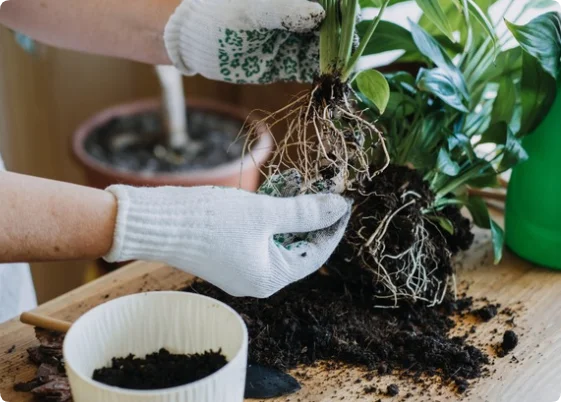
Recognizing root rot early is essential for effective management:
- Wilting Despite Moist Soil: Plants may appear droopy even when watered.
- Yellowing or Browning Leaves: Nutrient deficiency symptoms appear as roots fail to absorb nutrients.
- Stunted Growth: New leaves are smaller, and flowering or fruiting may slow.
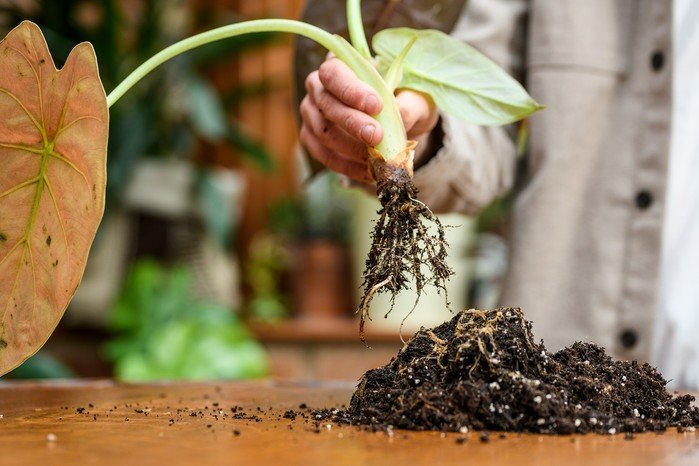
- Soft or Mushy Roots: Healthy roots are firm and white; rotting roots become brown, black, or slimy.
- Foul Odor: Rotten roots often emit a sour or musty smell.
Early detection allows gardeners to intervene before the infection spreads and kills the plant.
Preventive Strategies for Avoiding Root Rot
Prevention is the most effective approach to managing root rot in container gardens. Key strategies include:
1. Proper Container Selection
- Choose containers with adequate drainage holes to allow excess water to escape.
- Use breathable materials like terracotta or ceramic that allow some moisture evaporation.
- Avoid containers that trap water at the bottom, such as those with sealed bases.
2. Well-Draining Soil Mixes
- Use a light, porous potting mix with components like perlite, vermiculite, or coarse sand.
- Avoid garden soil, which can compact and retain excessive moisture.
- Incorporate organic matter such as compost for nutrient retention while maintaining drainage.
3. Watering Techniques
- Water only when the top inch of soil feels dry.
- Use smaller, frequent watering rather than saturating the soil all at once.
- Ensure excess water drains freely from the container.
- Avoid water accumulation in saucers under pots for long periods.
4. Proper Planting Practices
- Avoid planting too deeply; roots need oxygen as well as moisture.
- Space plants appropriately to reduce competition and allow airflow around roots.
- Remove dead or decaying plant material promptly to prevent fungal growth.
5. Monitoring Soil Moisture
- Use a moisture meter to track soil conditions accurately.
- Mulch the top of the soil with organic materials like straw or coconut coir to regulate moisture without retaining excess water.
- Adjust watering frequency based on seasonal changes; plants need less water in cooler months.
Natural Management and Treatment of Root Rot
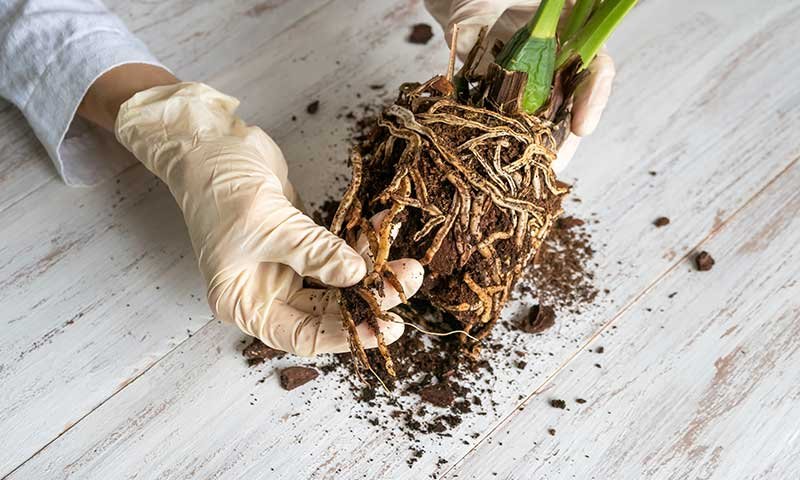
If root rot is detected early, chemical interventions are not always necessary. Sustainable treatments include:
1. Removing Affected Roots
- Carefully remove the plant from the container.
- Trim away soft, brown, or slimy roots with sterilized scissors.
- Wash the remaining healthy roots with clean water.
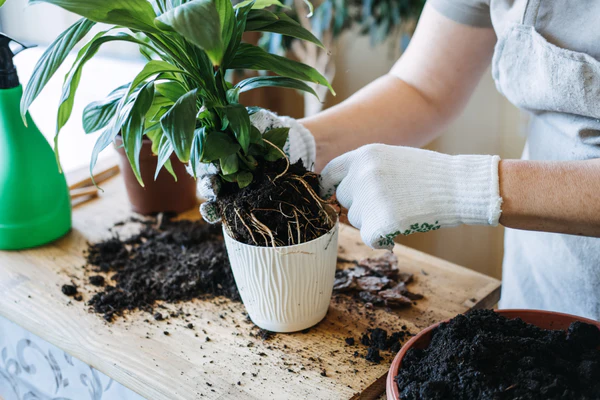
2. Repotting
- Replace contaminated soil with fresh, well-draining potting mix.
- Clean containers thoroughly with a mild vinegar solution to remove fungal spores.
- Choose slightly larger pots if roots have outgrown the original container.
3. Improving Soil Aeration
- Gently loosen compacted soil around healthy roots.
- Add perlite or coarse sand to improve airflow and drainage.
- Avoid heavy amendments that retain water excessively.
4. Beneficial Microbes
- Apply compost tea or mycorrhizal fungi to support healthy root development.
- These beneficial microbes outcompete harmful fungi and improve nutrient absorption.
Environmental Considerations
Environmental factors play a key role in preventing root rot:
- Sunlight: Ensure containers receive adequate light to promote evaporation and soil health.
- Air Circulation: Place pots in areas with airflow to prevent damp, stagnant conditions.
- Temperature: Avoid placing containers in cold, wet areas for extended periods, as this promotes fungal growth.
Benefits of Preventing Root Rot
- Healthy, Vigorous Plants: Roots can absorb water and nutrients efficiently.
- Higher Yields: Plants free of root rot produce more flowers, fruits, and leaves.
- Chemical-Free Gardening: Sustainable practices eliminate the need for fungicides.
- Long-Term Container Use: Healthy plants and soil reduce the need for frequent repotting.
- Environmental Sustainability: Preserves soil microbiome and supports beneficial organisms.
Practical Tips for Container Gardeners
- Choose Appropriate Plants: Some plants, like succulents or Mediterranean herbs, tolerate slightly drier conditions.
- Rotate Containers: Move pots periodically to ensure uniform sunlight and airflow.
- Monitor Humidity: Indoor gardeners should avoid overly humid environments near pots.
- Regular Inspection: Check plants weekly for early signs of root rot or stress.
- Educate Yourself: Learn about the specific watering and soil needs of each plant species.
Conclusion
Root rot is one of the most common challenges in container gardening, but it is largely preventable with proper care. Selecting the right containers, using well-draining soil, monitoring water, and maintaining healthy root environments are key strategies to prevent this destructive disease. Early detection, removal of affected roots, and repotting in fresh soil can save plants and restore productivity.
Sustainable practices, including improved soil aeration, beneficial microbes, and careful environmental management, support healthy root systems and chemical-free gardening. By implementing these strategies, container gardeners can enjoy lush, productive, and resilient plants while maintaining a safe and eco-friendly garden environment.
Preventing root rot not only ensures abundant harvests but also promotes long-term soil health, plant vitality, and sustainable gardening practices, making container gardening both enjoyable and rewarding.