
Cucumbers are a favorite in home gardens due to their refreshing taste, high water content, and nutritional benefits. However, they are prone to powdery mildew—a common fungal disease that can reduce yield, stunt growth, and affect the quality of fruits. Detecting powdery mildew early is critical to preventing severe damage and ensuring healthy, productive cucumber plants. This article explores the causes, early signs, prevention, and plant-based treatments for powdery mildew, emphasizing sustainable, chemical-free gardening practices.
Understanding Powdery Mildew
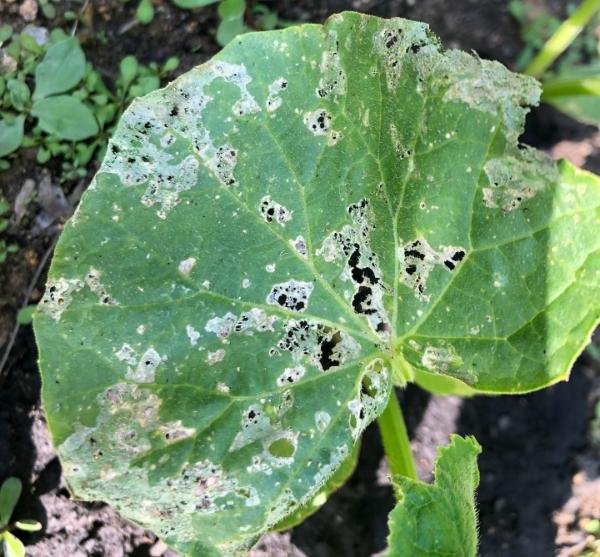
Powdery mildew is a fungal disease caused by several species of the Erysiphaceae family, such as Podosphaera xanthii. It primarily affects leaves, stems, and flowers, forming a white, powdery coating. Unlike other fungal infections, powdery mildew does not require wet foliage to develop and thrives in warm, dry conditions with high humidity around leaves.
Powdery mildew spreads through airborne spores and can quickly infect neighboring plants. Early detection is key to controlling the disease naturally and minimizing yield loss.
Why Early Detection Matters
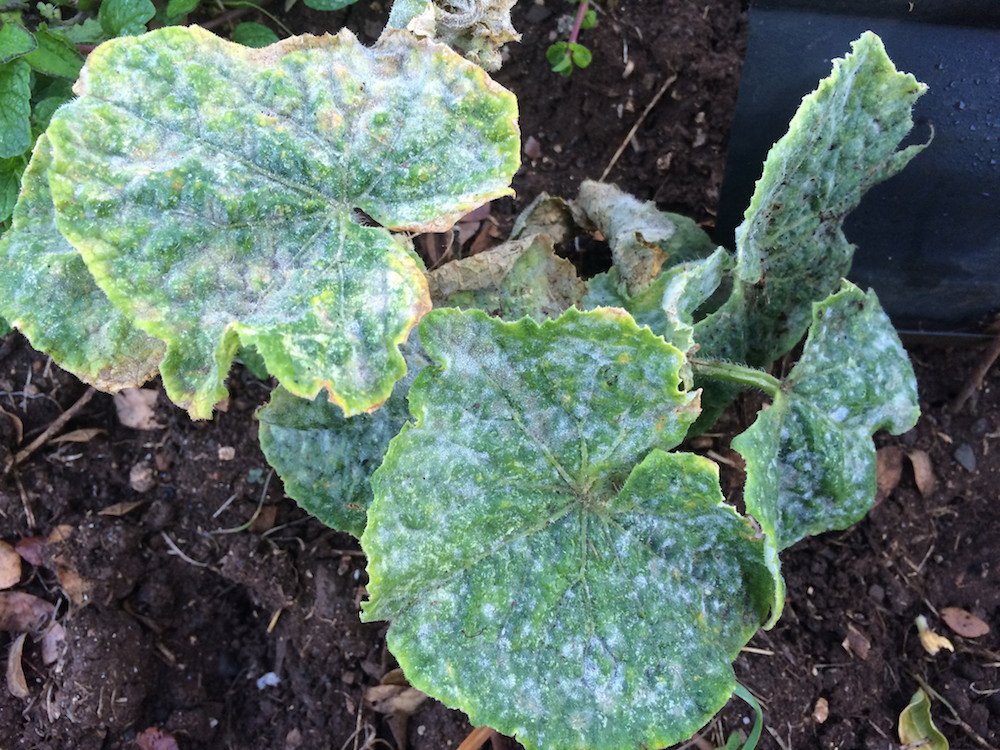
Spotting powdery mildew early provides several advantages:
- Preventing Yield Loss: Early intervention reduces fruit damage and maintains plant productivity.
- Limiting Spread: Detecting mildew on a few leaves prevents it from infecting the entire plant or neighboring crops.
- Avoiding Chemical Sprays: Timely management allows for natural, plant-based treatments rather than chemical fungicides.
- Maintaining Plant Health: Early care strengthens plants, helping them resist secondary infections and environmental stress.
Early Signs of Powdery Mildew on Cucumbers
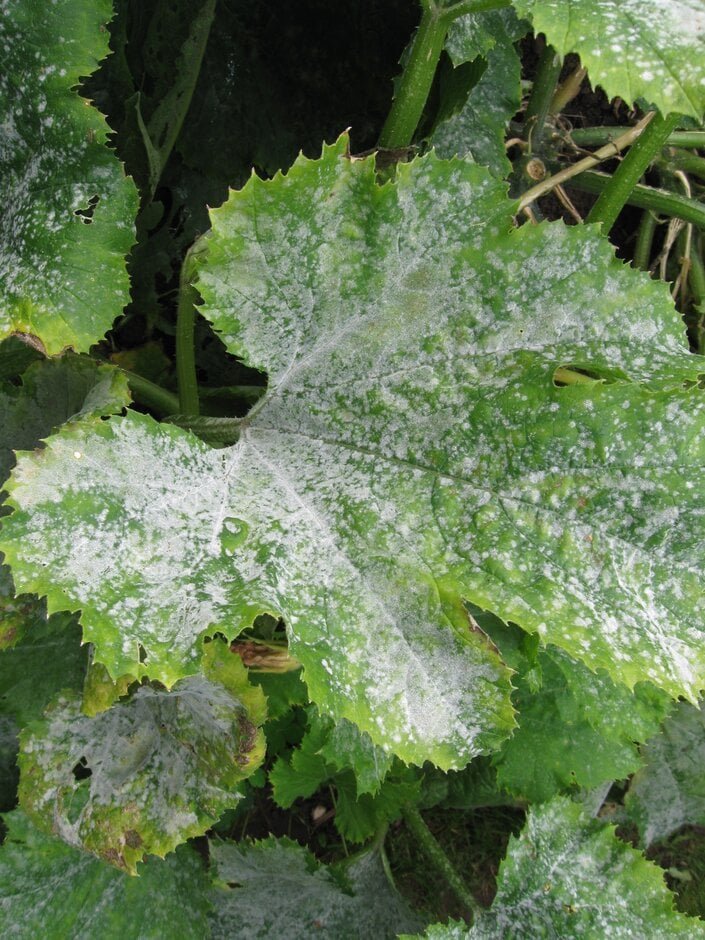
Recognizing subtle signs is crucial for timely management:
- White, Powdery Patches on Leaves
- Look for circular or irregular white spots, initially appearing on older leaves.
- Spots can expand to cover entire leaf surfaces if untreated.
- Leaf Yellowing or Browning
- Infected leaves may turn yellow or brown around the affected areas.
- Leaf tissue may curl or become brittle.
- Reduced Growth
- Young leaves may fail to expand fully, and stems can show slowed growth.
- Plant vigor declines as the infection spreads.
- Distorted or Deformed Leaves
- Leaves may twist, curl, or appear puckered.
- This deformation is an early indicator of fungal activity.
- Reduced Flower and Fruit Development
- Infected plants may produce fewer flowers and smaller fruits.
- Early detection preserves reproductive growth and maintains yield.
Environmental Factors That Promote Powdery Mildew
Understanding the conditions that favor powdery mildew helps prevent outbreaks:
- High Humidity: While leaves may be dry, high ambient humidity promotes spore germination.
- Poor Air Circulation: Crowded plants or low airflow creates a microclimate conducive to mildew.
- Warm Temperatures: Powdery mildew thrives between 20–30°C (68–86°F).
- Shaded Areas: Dense foliage and shaded zones increase susceptibility.
Adjusting these environmental factors can reduce infection risk naturally.
Preventive Measures for Cucumbers
Preventing powdery mildew is more effective than treating advanced infections. Key preventive strategies include:
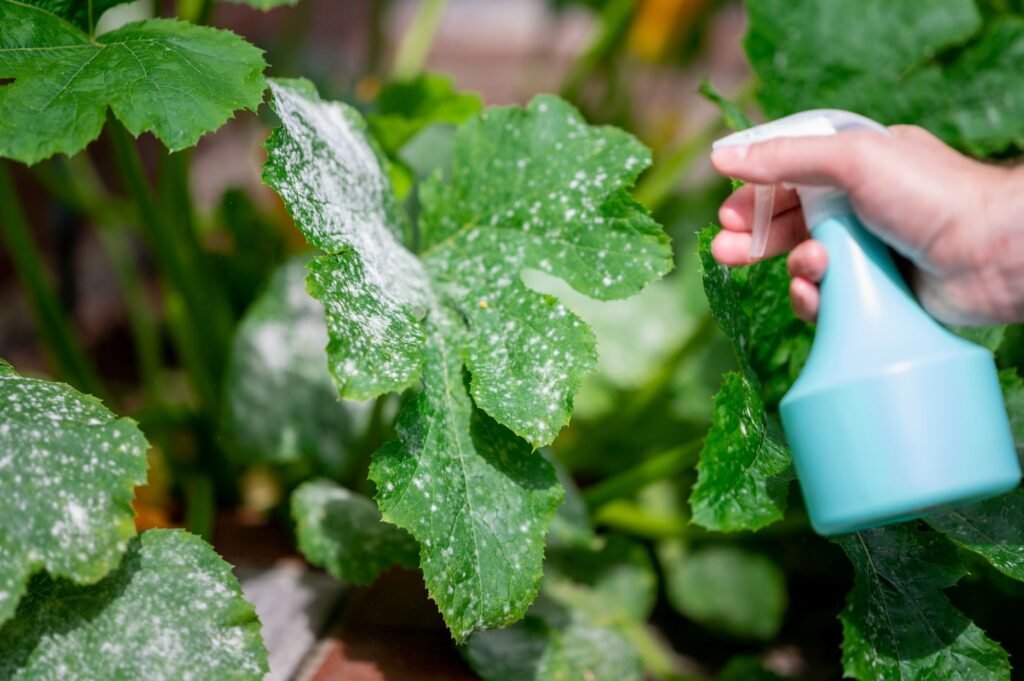
- Proper Spacing
- Space cucumber plants adequately to improve airflow and reduce humidity around foliage.
- Avoid overcrowding on trellises or garden beds.
- Pruning and Training
- Remove damaged or infected leaves promptly.
- Train plants vertically using trellises to minimize leaf-to-leaf contact.
- Watering Techniques
- Water at the base of plants rather than overhead to keep leaves dry.
- Avoid watering late in the evening, which can increase nighttime humidity.
- Sunlight Exposure
- Ensure plants receive 6–8 hours of sunlight daily.
- Sunlight inhibits fungal spore germination and strengthens plant immunity.
- Resistant Varieties
- Choose cucumber cultivars bred for powdery mildew resistance, such as ‘Marketmore 76’, ‘Victory’, or ‘Enterprise’.
- Resistant varieties reduce the likelihood of early infection.
Natural Treatments for Powdery Mildew
Several plant-based and organic treatments can control powdery mildew effectively:
1. Milk Spray
- Milk has antifungal properties that inhibit mildew growth.
- Preparation: Dilute milk with water in a 1:2 ratio and spray on leaves weekly.
- Particularly effective when applied at early stages of infection.
2. Baking Soda Spray
- Creates an alkaline surface that prevents fungal growth.
- Preparation: Mix 1 tablespoon baking soda, 1 tablespoon vegetable oil, and a few drops of mild soap in 1 liter of water. Spray affected areas thoroughly.
3. Neem Oil
- Neem oil disrupts fungal development and strengthens plant resistance.
- Preparation: Dilute 2 tablespoons of neem oil in 1 liter of water with a few drops of mild soap. Apply every 7–10 days or after rainfall.
4. Garlic or Onion Spray
- Contains natural antifungal compounds.
- Preparation: Crush garlic or onions, soak in water for 24 hours, strain, and spray on foliage.
5. Compost Tea
- Boosts plant immunity and supports beneficial microbes that outcompete pathogens.
- Preparation: Soak mature compost in water for 24–48 hours, strain, and apply as a foliar spray.
Monitoring and Maintenance
Regular observation and care are essential for managing powdery mildew:
- Inspect plants at least twice a week for early signs.
- Remove infected leaves immediately to prevent spread.
- Keep tools clean to avoid cross-contamination.
- Rotate crops annually to reduce spore buildup in the soil.
- Maintain soil fertility with compost or plant-based fertilizers to strengthen plant defenses.
Integrated Practices for Healthy Cucumbers
Combining prevention and treatment strategies creates a robust, natural defense system:
- Companion Planting
- Plant marigolds, nasturtiums, or basil alongside cucumbers to improve plant health and deter pests.
- Mulching
- Organic mulch reduces soil splash that can spread fungal spores and maintains soil moisture.
- Vertical Gardening
- Growing cucumbers on trellises improves air circulation and reduces leaf contact with soil-borne spores.
- Balanced Nutrition
- Healthy plants are less susceptible to mildew. Apply compost, seaweed extract, or liquid organic fertilizers to support growth.
Benefits of Early Detection and Natural Management

- Reduced Crop Loss: Early intervention preserves yield and quality.
- Chemical-Free Produce: Ensures safe consumption of cucumbers.
- Sustainable Gardening: Supports eco-friendly practices and soil health.
- Pollinator Safety: Natural treatments protect beneficial insects.
- Cost Savings: Homemade sprays and preventive practices are more affordable than chemical fungicides.
Conclusion
Powdery mildew on cucumbers can severely impact plant health, fruit quality, and garden productivity if left unchecked. Early detection is crucial, as subtle white patches, leaf yellowing, or distorted growth can quickly escalate into widespread infection. By observing plants carefully and applying preventive measures—such as proper spacing, pruning, watering, and selecting resistant varieties—gardeners can minimize the risk of infection naturally.
Natural treatments including milk sprays, baking soda, neem oil, garlic sprays, and compost tea provide effective, chemical-free management of powdery mildew. Integrating these treatments with proper garden hygiene, companion planting, mulching, and vertical gardening enhances plant resilience, maintains soil health, and promotes sustainable gardening practices.
With careful observation, timely intervention, and plant-based solutions, cucumber gardeners can enjoy abundant, healthy, and chemical-free harvests, ensuring fresh, nutritious produce throughout the growing season.