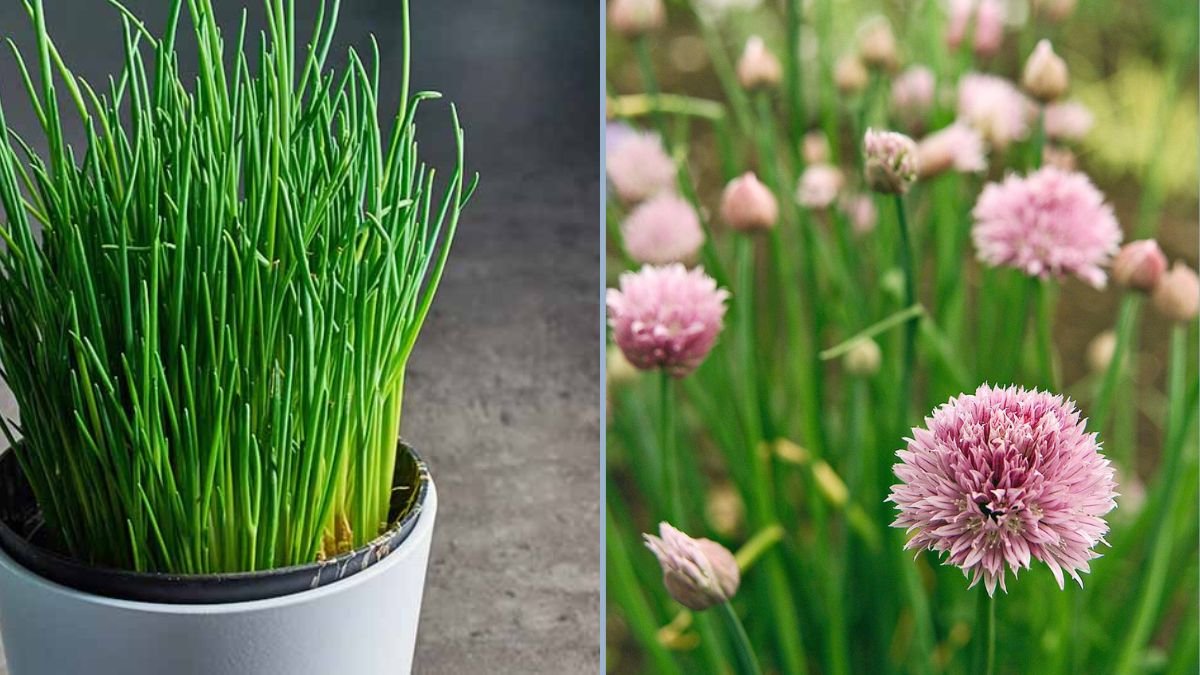
Chives (Allium schoenoprasum) are a popular culinary herb valued for their mild onion-like flavor, delicate aroma, and vibrant green color. Compact in growth and easy to cultivate, chives are ideal for container gardening, making them perfect for kitchens, balconies, or small living spaces. Growing chives in small containers allows for year-round harvesting of fresh leaves to enhance plant-based dishes such as salads, soups, sauces, and grain bowls.
This article provides a comprehensive guide to cultivating chives in small containers, covering container selection, soil preparation, planting, watering, light requirements, pruning, propagation, harvesting, and storage, ensuring successful growth and continuous access to fresh, aromatic leaves.
1. Understanding Chives
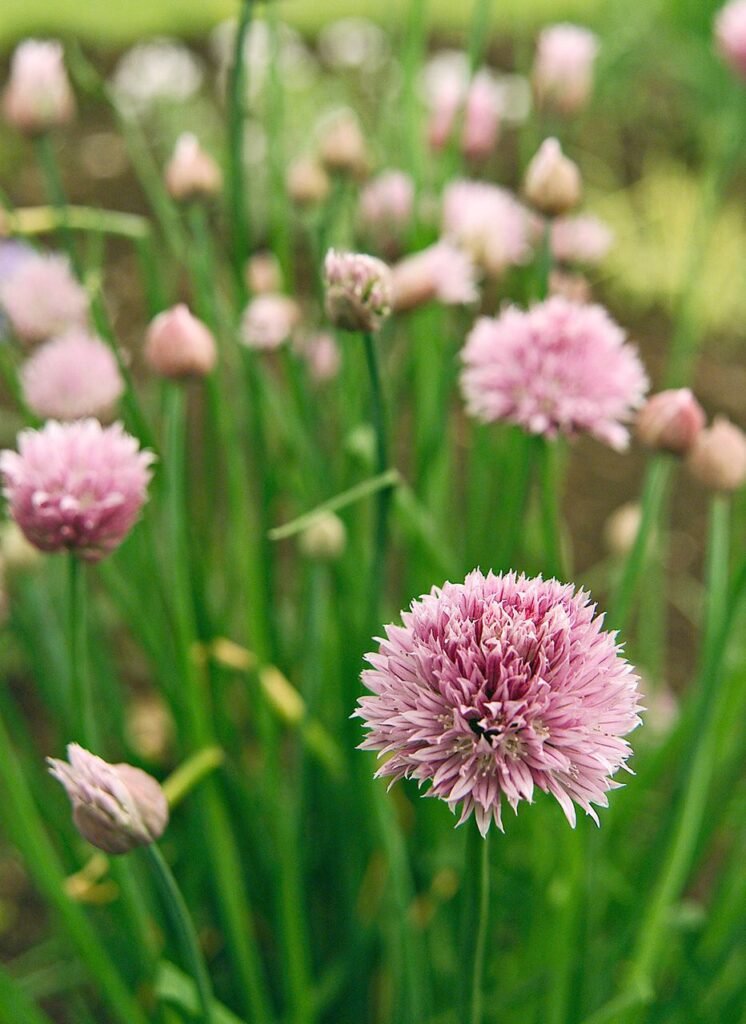
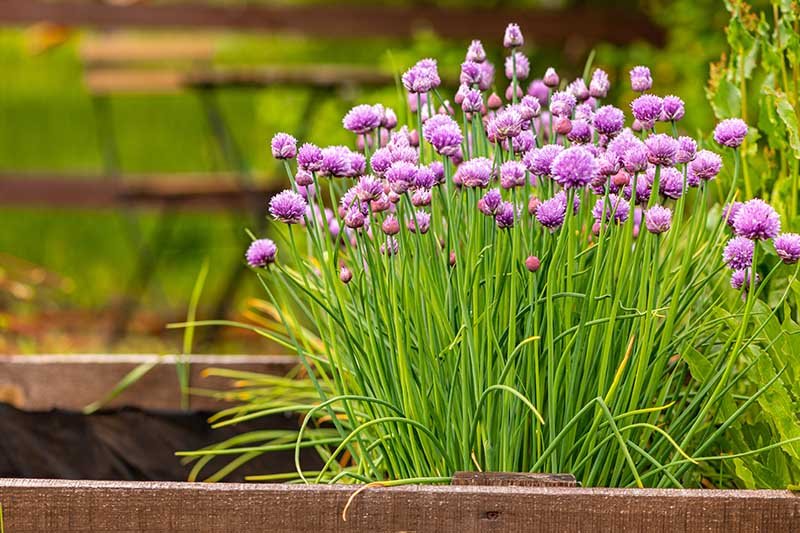
Chives are perennial herbs in the Allium family, closely related to onions, garlic, and leeks. They are hardy, slow-growing plants with slender, tubular leaves and edible purple flowers. Chives are low-maintenance, making them suitable for beginners and urban gardeners alike.
Key Characteristics
- Slender, hollow green leaves with a mild onion flavor
- Purple, edible flowers that enhance the visual appeal of dishes
- Hardy perennial capable of surviving multiple seasons
- Nutritionally rich, containing vitamin C, vitamin K, folate, and antioxidants
Understanding chives’ growth habits helps in planning container size, light, and care routines for optimal leaf production.
2. Selecting the Right Chive Variety
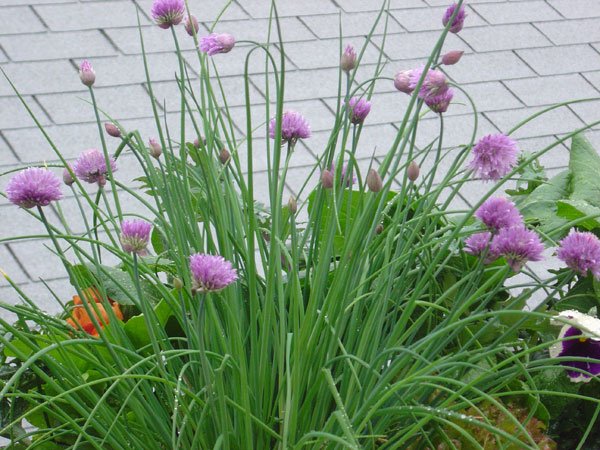
Several chive varieties are suitable for small container cultivation:
- Common Chives: Standard variety with slender, hollow leaves
- Garlic Chives (Allium tuberosum): Slightly broader leaves with a mild garlic flavor
- Fleurs-de-Lis Chives: Known for ornamental flowers and edible petals
Selecting the appropriate variety ensures desired flavor, growth habit, and ornamental appeal in small containers.
3. Choosing Small Containers for Chives
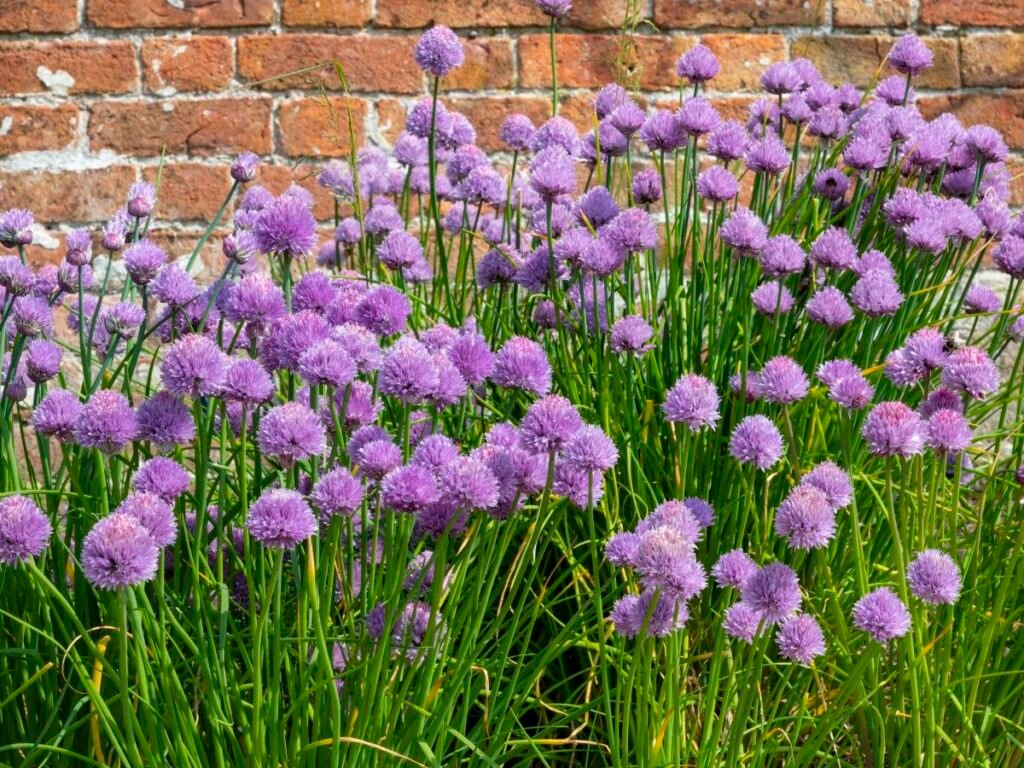
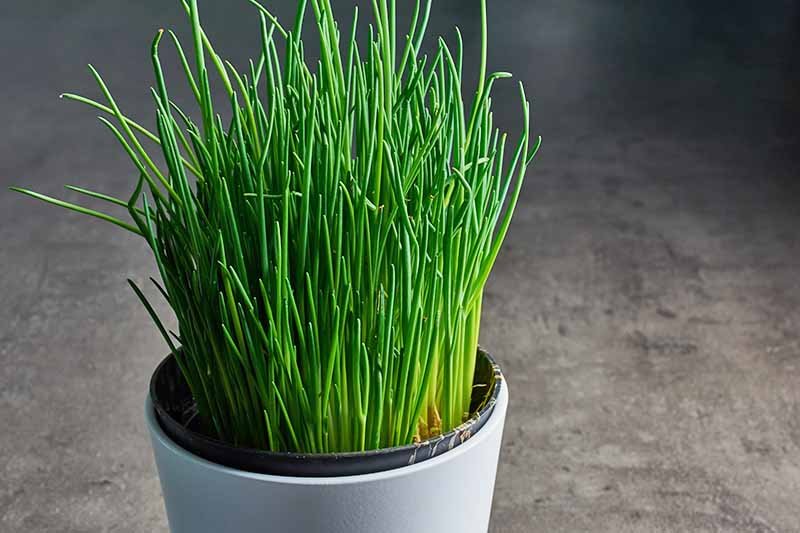
Chives adapt well to small containers, but proper container selection is crucial for healthy growth.
Container Requirements
- Size: Minimum 4–6 inches deep; width 6–8 inches for a small clump
- Material: Terracotta, ceramic, or plastic containers; terracotta is ideal as it helps soil dry between waterings
- Drainage: Essential—ensure containers have drainage holes or add a layer of pebbles to prevent waterlogging
Placement
- Place containers on sunny windowsills, balconies, or kitchen counters
- Rotate containers regularly to ensure even light exposure
Correct container selection provides sufficient root space and prevents water-related issues.
4. Soil Requirements
Chives require well-draining, nutrient-rich soil to thrive in containers.
Soil Guidelines
- Use plant-based potting mix with good drainage
- Add perlite or sand to improve aeration and water flow
- Avoid heavy soils that retain excess moisture
Soil Layering
- Drainage Layer: Pebbles or coarse sand at the bottom
- Soil Layer: Nutrient-rich potting mix
- Planting Depth: Leave 1 inch below the container rim to prevent spillage when watering
Healthy soil ensures strong root systems, vigorous growth, and flavorful leaves.
5. Planting Chives
Chives can be grown from seeds, seedlings, or divisions.
From Seeds
- Sow seeds 0.5–1 cm deep in moist soil
- Maintain even moisture until germination (10–14 days)
- Thin seedlings to 2–3 inches apart for healthy clumps
From Seedlings or Transplants
- Select small, healthy seedlings
- Transplant gently, preserving root integrity
- Water lightly after planting to reduce transplant shock
From Divisions
- Divide mature clumps in early spring or fall
- Replant in small containers with prepared soil
- Water moderately to establish new growth
Starting with quality seeds or seedlings ensures rapid establishment and continuous leaf production.
6. Light Requirements for Indoor Chives
Chives thrive in bright light conditions for optimal leaf growth and flavor:
- Direct Sunlight: 4–6 hours per day on south- or east-facing windowsills
- Supplemental Lighting: LED grow lights provide 12–14 hours in low-light indoor conditions
- Rotation: Rotate containers weekly for uniform light distribution
Sufficient light prevents leggy growth, enhances leaf flavor, and promotes overall plant health.
7. Watering Chives
Chives prefer evenly moist soil but are sensitive to waterlogging:
Watering Guidelines
- Water when the top 1–2 cm of soil feels dry
- Avoid overwatering, as it may cause root rot
- Use containers with drainage holes to allow excess water to escape
Indicators of Proper Moisture
- Leaves are firm, green, and aromatic
- Soil is moist but not soggy
- Roots remain healthy and well-ventilated
Moderate, consistent watering promotes strong growth and flavorful leaves.
8. Temperature and Humidity
Chives grow best under moderate indoor temperatures:
- Ideal Temperature: 18–24°C (65–75°F)
- Humidity: Low to moderate; avoid excessive humidity that can encourage fungal growth
- Airflow: Ensure good circulation by keeping containers spaced and rotating plants
Maintaining optimal conditions mimics the plant’s natural temperate environment, encouraging year-round growth.
9. Fertilization
Container-grown chives benefit from light, regular fertilization:
- Apply plant-based compost tea or diluted liquid fertilizer every 3–4 weeks
- Avoid over-fertilization, which may reduce flavor intensity
- Fertilizing supports consistent leaf production without excessive stem elongation
Balanced nutrition ensures a healthy, productive container herb garden.
10. Pruning and Maintenance
Regular pruning and care encourage bushy, healthy chive growth:
Pruning
- Cut leaves regularly 2–3 inches above soil level
- Remove yellow, damaged, or wilting leaves
- Pinch flowers if the goal is maximum leaf production
Pest Management
- Inspect for aphids or fungal issues
- Use plant-safe sprays like neem oil or insecticidal soap if needed
- Ensure airflow around containers to reduce disease risk
Routine pruning and maintenance ensure continuous harvesting and robust plant health.
11. Harvesting Chives
Proper harvesting maximizes flavor and encourages regrowth:
- Harvest leaves in the morning for peak aroma and essential oils
- Cut outer leaves first, leaving inner shoots to grow
- Avoid removing more than one-third of the plant at a time
Frequent harvesting produces fresh, aromatic leaves ideal for daily cooking.
12. Storing Chives
Freshly harvested chives can be used immediately or stored for later use:
Short-Term Storage
- Wrap leaves in a damp paper towel and refrigerate in an airtight container for 3–5 days
- Place stems in a glass of water in the refrigerator for extended freshness
Long-Term Storage
- Freeze chopped chives in ice cube trays with water or plant-based oil
- Air dry or use a low-temperature dehydrator and store in airtight jars for months
Proper storage preserves flavor, aroma, and nutritional value for plant-based meals.
13. Culinary Uses of Chives
Chives are a versatile herb for plant-based cooking:
- Salads: Adds mild onion flavor and vibrant color
- Soups and Stews: Enhances vegetable, bean, and lentil soups
- Sauces and Dressings: Blends well with plant-based vinaigrettes and creamy dips
- Garnishing: Perfect for topping roasted vegetables, grains, and plant-based spreads
- Herb Blends: Combines with parsley, cilantro, and thyme for layered flavors
Container-grown chives ensure fresh leaves are always available for cooking.
14. Benefits of Growing Chives in Small Containers
- Freshness: Continuous supply of aromatic leaves for meals
- Nutritional Value: Rich in vitamins, antioxidants, and phytonutrients
- Space Efficiency: Ideal for kitchens, balconies, or small apartments
- Aesthetic Appeal: Adds greenery and vibrancy to indoor spaces
- Cost-Effectiveness: Reduces the need to purchase fresh herbs regularly
- Educational Value: Provides hands-on experience with plant care, propagation, and sustainable gardening
Small-container chives combine practicality, flavor, and sustainability in an urban-friendly herb garden.
15. Common Mistakes to Avoid
- Overwatering or planting in poorly drained containers
- Insufficient light leading to leggy, sparse growth
- Neglecting pruning, causing woody stems and reduced leaf production
- Harvesting incorrectly or excessively, hindering regrowth
- Ignoring pest and disease monitoring
Avoiding these mistakes ensures a productive, healthy container-grown herb garden.
16. Conclusion
Growing chives in small containers is an accessible, rewarding method for urban gardeners and kitchen enthusiasts. With proper container selection, soil preparation, light exposure, watering, fertilization, pruning, and harvesting, chives can thrive indoors and provide year-round access to fresh, flavorful leaves.
Fresh chives enhance plant-based meals with their mild onion flavor, vibrant green color, and aromatic appeal. By adopting sustainable, plant-based gardening practices and maintaining consistent care, gardeners can enjoy continuous harvests and a visually appealing herb garden in even the smallest spaces.
Container-grown chives combine culinary versatility, nutritional benefits, and aesthetic charm, making them an essential component of any indoor or kitchen herb garden.