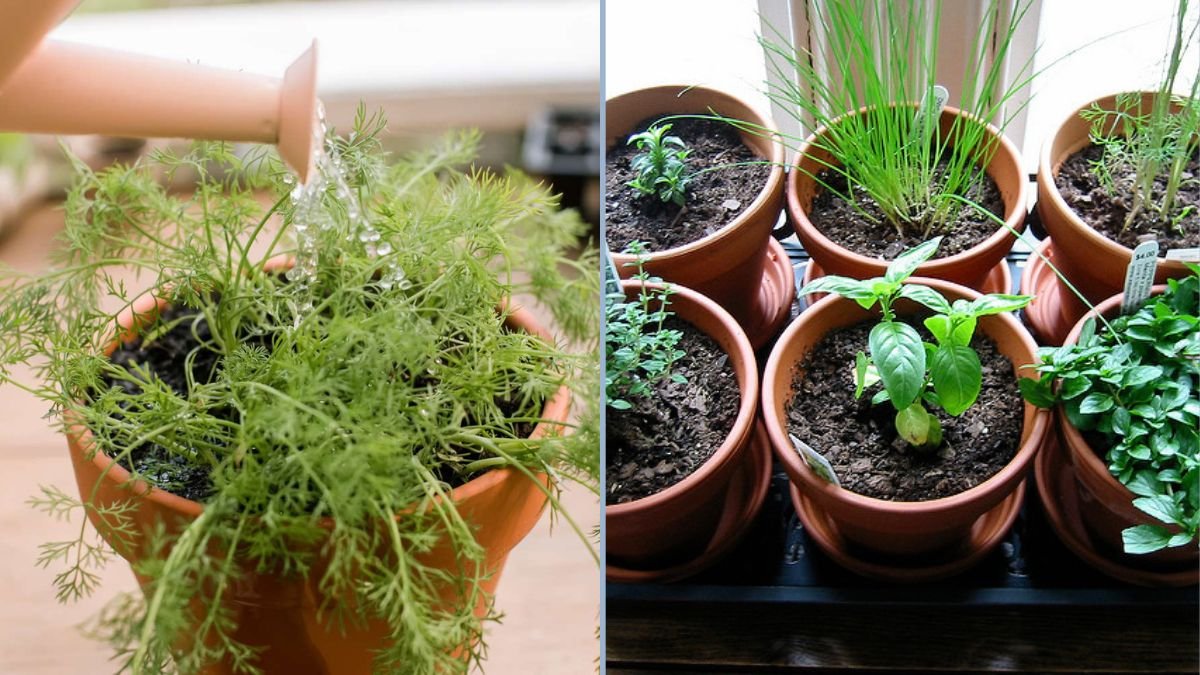
Growing herbs indoors is an increasingly popular approach for urban dwellers, plant-based cooks, and anyone seeking fresh, aromatic ingredients year-round. By cultivating a variety of herbs in small indoor spaces, it is possible to create unique herb blends for cooking, teas, and natural remedies. Indoor herb blends combine culinary versatility, visual appeal, and sustainable gardening practices, making them an excellent addition to kitchens, balconies, or even living rooms.
This article explores the process of creating herb blends indoors, including selecting complementary herbs, container gardening techniques, soil and light requirements, watering, pruning, propagation, harvesting, storage, and culinary applications. Following these guidelines ensures healthy, productive plants and a continuous supply of fresh herbs for various plant-based dishes.
1. Understanding Indoor Herb Blends
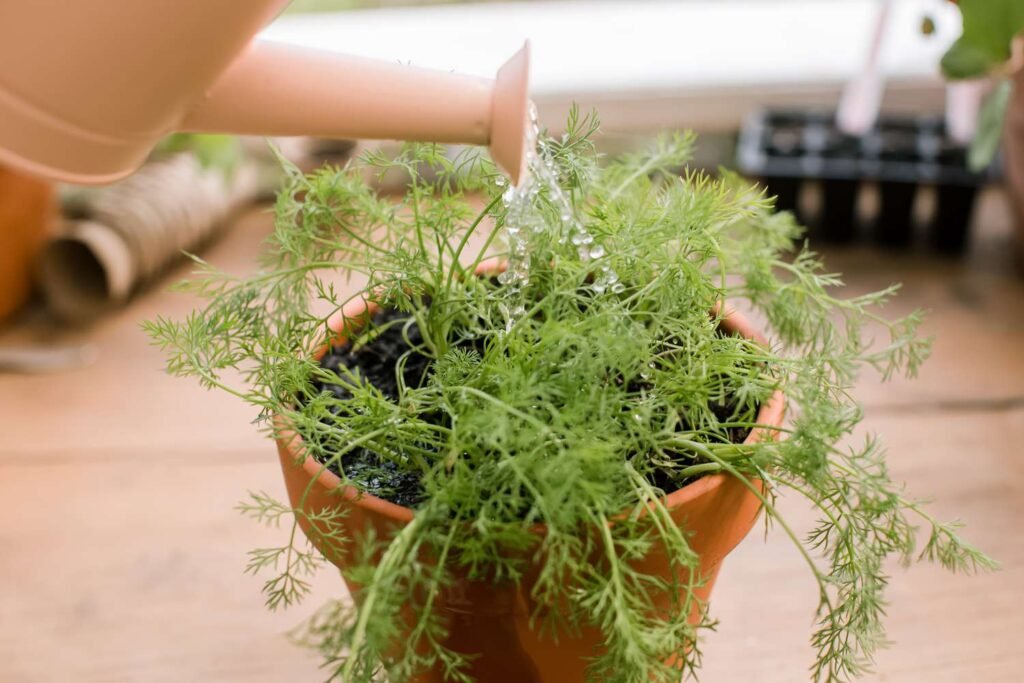
Indoor herb blends are collections of complementary herbs grown together to enhance culinary and aromatic experiences. They often combine herbs with similar growing conditions, flavors, and care requirements, allowing gardeners to manage multiple plants efficiently in limited spaces.
Benefits of Indoor Herb Blends
- Flavor Diversity: Multiple herbs in one location provide layered tastes for sauces, salads, and stews
- Space Efficiency: Container combinations optimize small indoor areas
- Aesthetic Appeal: Varied leaf shapes, colors, and textures enhance visual interest
- Sustainability: Reduces reliance on store-bought herbs and packaging
- Year-Round Freshness: Continuous harvesting ensures availability of aromatic ingredients
By understanding these benefits, gardeners can design effective herb combinations that suit both culinary and decorative purposes.
2. Selecting Herbs for Indoor Blends
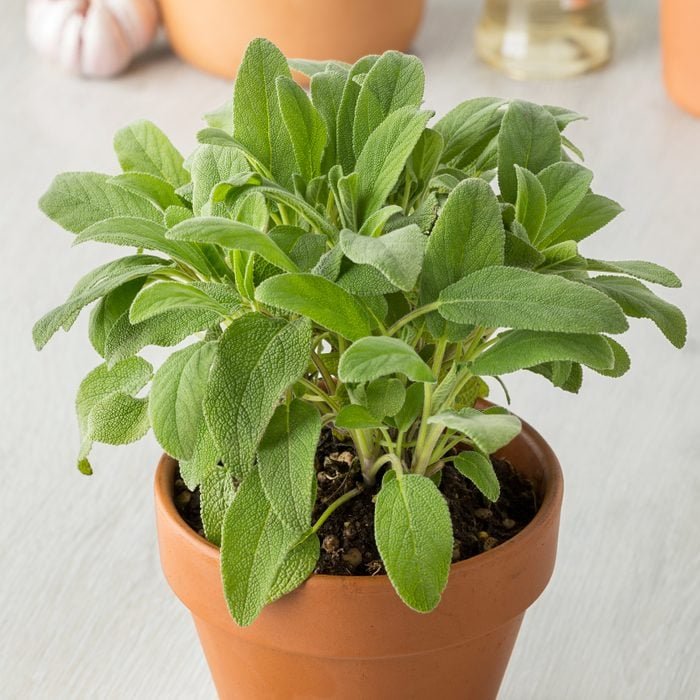
Choosing the right herbs is essential for creating harmonious indoor blends. Herbs should have similar light, water, and soil requirements to thrive together.
Popular Herbs for Indoor Blends
- Basil (Ocimum basilicum): Sweet, aromatic, ideal for Mediterranean or tomato-based sauces
- Parsley (Petroselinum crispum): Mild flavor, adds freshness to salads and herb mixes
- Cilantro (Coriandrum sativum): Bright, citrusy flavor for salsas, chutneys, and garnishes
- Chives (Allium schoenoprasum): Mild onion flavor, great for soups and savory dishes
- Thyme (Thymus vulgaris): Woody, aromatic stems suitable for sauces, roasts, and teas
- Rosemary (Rosmarinus officinalis): Strong, piney aroma for roasted vegetables and bread
- Oregano (Origanum vulgare): Pungent, slightly peppery, perfect for sauces and herb mixes
- Mint (Mentha spp.): Refreshing flavor for teas, desserts, and cold beverages
Tips for Combining Herbs
- Pair herbs with similar light and water requirements
- Combine fast-growing herbs (like basil) with slower growers (like rosemary) in separate pots for better management
- Use contrasting leaf shapes and colors for visual appeal
3. Choosing Containers for Indoor Herb Blends
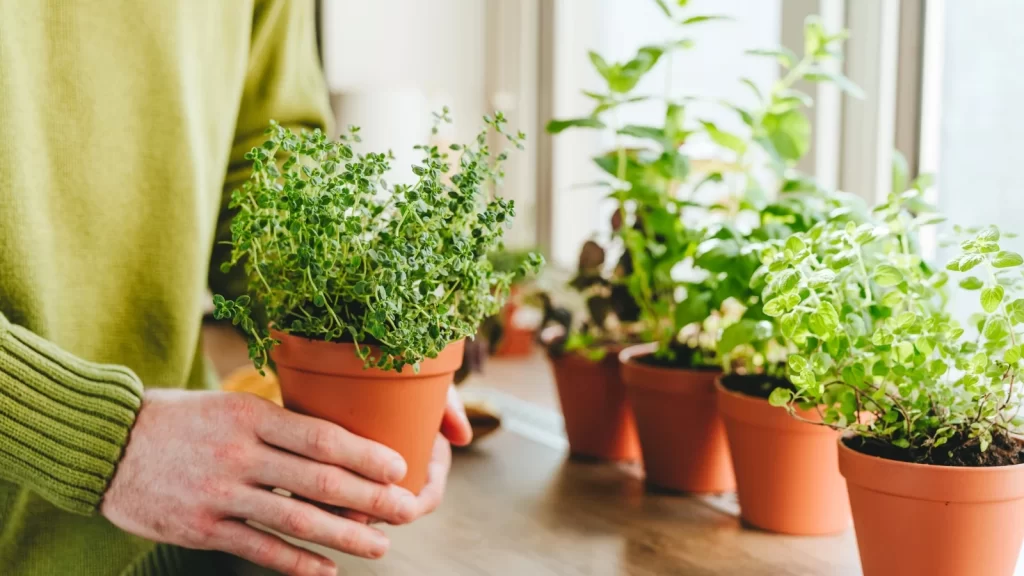
Proper container selection is critical for herb health and growth.
Container Guidelines
- Size: At least 4–6 inches deep for small herbs, larger for root-heavy plants
- Material: Ceramic, terracotta, or plastic containers; terracotta enhances soil aeration
- Drainage: Ensure drainage holes or create a gravel layer to prevent waterlogging
Container Arrangements
- Single-Pot Blends: Combine compatible herbs in one container
- Multiple Pots: Group individual herb pots together on a windowsill or shelf for easy care
Well-chosen containers ensure optimal root development, prevent water accumulation, and enhance indoor aesthetics.
4. Soil Requirements
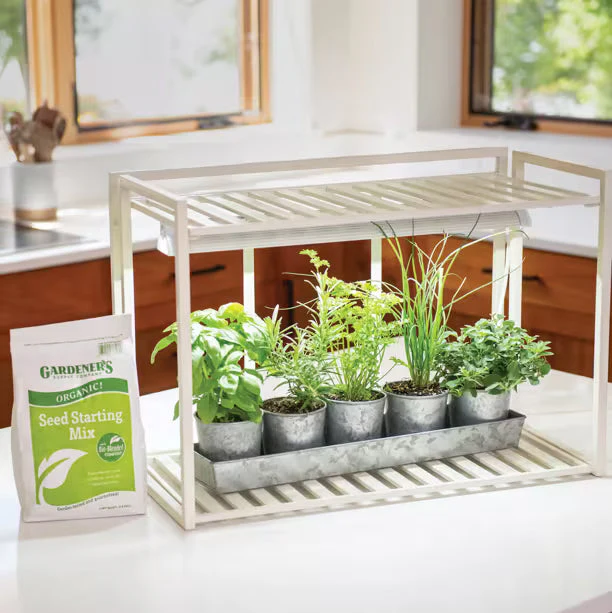
Herbs thrive in nutrient-rich, well-draining soil.
Soil Guidelines
- Use high-quality, plant-based potting mix
- Add perlite, coarse sand, or vermiculite to improve drainage
- Avoid heavy, compacted soils that retain excess water
Soil Preparation
- Drainage layer of pebbles or small stones at the bottom
- Potting mix blended with perlite for aeration
- Maintain soil level 1–2 inches below the rim to prevent overflow
Healthy soil provides nutrients, supports root growth, and promotes aromatic leaf production.
5. Light Requirements for Indoor Herb Blends
Light is essential for herb growth, flavor development, and compact form.
Light Guidelines
- Natural Light: 4–6 hours per day from south- or east-facing windows
- Supplemental Lighting: LED grow lights provide 12–14 hours for low-light spaces
- Rotation: Rotate pots weekly for uniform leaf growth
Adequate light prevents leggy growth, enhances essential oil content, and keeps leaves vibrant.
6. Watering and Humidity
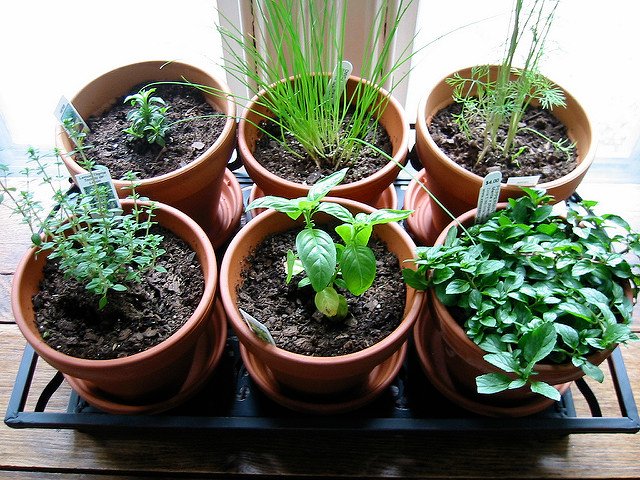
Indoor herbs require careful watering to prevent root rot and promote healthy growth.
Watering Tips
- Water when the top 1–2 cm of soil feels dry
- Avoid overwatering, especially in small containers
- Use containers with drainage to remove excess water
Humidity
- Herbs prefer low to moderate humidity
- Provide airflow around containers to prevent fungal growth
Consistent moisture without overwatering ensures robust growth and aromatic leaves.
7. Fertilization
Container-grown herbs benefit from light fertilization due to limited soil nutrients.
Fertilization Guidelines
- Use plant-based compost tea or diluted organic fertilizer every 3–4 weeks
- Avoid over-fertilization, which can reduce essential oil content
- Light feeding promotes continuous leaf production without excessive stem elongation
Balanced nutrition supports strong growth, flavor, and leaf density.
8. Pruning and Maintenance
Regular pruning and maintenance keep indoor herb blends healthy and productive.
Pruning Tips
- Trim leaves regularly to encourage bushy growth
- Remove yellow or damaged leaves
- Pinch flowers if growing herbs primarily for culinary use
Pest Management
- Inspect regularly for aphids or fungal issues
- Use neem oil or plant-safe sprays for control
- Maintain airflow to prevent mold and mildew
Proper pruning and care extend plant longevity and improve leaf flavor.
9. Propagation of Indoor Herbs
Propagation ensures a continuous supply of herbs for blends.
Methods
- Stem Cuttings: Root cuttings in water or soil
- Division: Separate mature plants and replant in new containers
- Seed Sowing: Sow seeds in well-draining soil, maintain moisture until germination
Propagation allows gardeners to expand indoor herb collections without buying new plants.
10. Harvesting Herbs for Blends
Proper harvesting ensures optimal flavor and plant health.
Harvesting Guidelines
- Harvest in the morning for maximum essential oil content
- Cut outer leaves first to encourage regrowth
- Avoid removing more than one-third of the plant at a time
Regular harvesting produces fresh leaves for culinary use and stimulates healthy regrowth.
11. Storing Fresh Herbs
Freshly harvested herbs can be used immediately or preserved for later use.
Short-Term Storage
- Wrap leaves in a damp paper towel and refrigerate in airtight containers
- Place stems in water jars in the fridge for extended freshness
Long-Term Storage
- Freeze leaves in ice cube trays with water or plant-based oil
- Air dry or dehydrate and store in airtight containers
Proper storage preserves flavor, aroma, and nutrients for plant-based cooking.
12. Culinary Uses of Indoor Herb Blends
Indoor herb blends enhance the flavor, aroma, and visual appeal of a variety of dishes:
- Plant-Based Sauces: Combine basil, oregano, and parsley for pasta or tomato sauces
- Salads: Add chives, parsley, and cilantro for layered flavors
- Soups and Stews: Use thyme, rosemary, and oregano for depth of taste
- Dressings and Marinades: Fresh herb blends provide complex flavor profiles
- Herbal Teas and Infusions: Mint, lemon balm, and thyme create aromatic teas
Creating herb blends allows for versatility in cooking while maximizing the use of indoor-grown plants.
13. Benefits of Growing Herb Blends Indoors
- Freshness: Continuous access to flavorful leaves
- Nutritional Value: Rich in vitamins, antioxidants, and phytonutrients
- Space Efficiency: Ideal for small kitchens and apartments
- Aesthetic Appeal: Adds greenery, color, and texture indoors
- Sustainability: Reduces reliance on store-bought herbs and packaging
- Culinary Creativity: Encourages experimentation with flavor combinations
Indoor herb blends offer convenience, health benefits, and visual appeal.
14. Common Mistakes to Avoid
- Overwatering or poor drainage leading to root rot
- Insufficient light causing leggy, weak growth
- Neglecting pruning or harvesting, resulting in sparse leaves
- Mixing incompatible herbs with differing care requirements
- Failing to monitor for pests or fungal issues
Avoiding these mistakes ensures healthy, productive indoor herb blends.
15. Conclusion
Growing herb blends indoors is a practical and rewarding way to cultivate fresh, aromatic herbs in limited spaces. By selecting compatible herbs, providing proper containers, soil, light, and water, and practicing regular pruning and harvesting, gardeners can maintain a continuous supply of flavorful leaves.
Indoor herb blends enhance plant-based cooking, from sauces and salads to teas and marinades. They offer nutritional benefits, visual appeal, and sustainable gardening opportunities, making them ideal for urban dwellers and kitchen enthusiasts.
By combining thoughtful indoor cultivation practices with regular care and harvesting, gardeners can enjoy fresh, aromatic herbs year-round, creating flavorful, nutritious, and visually appealing plant-based meals.