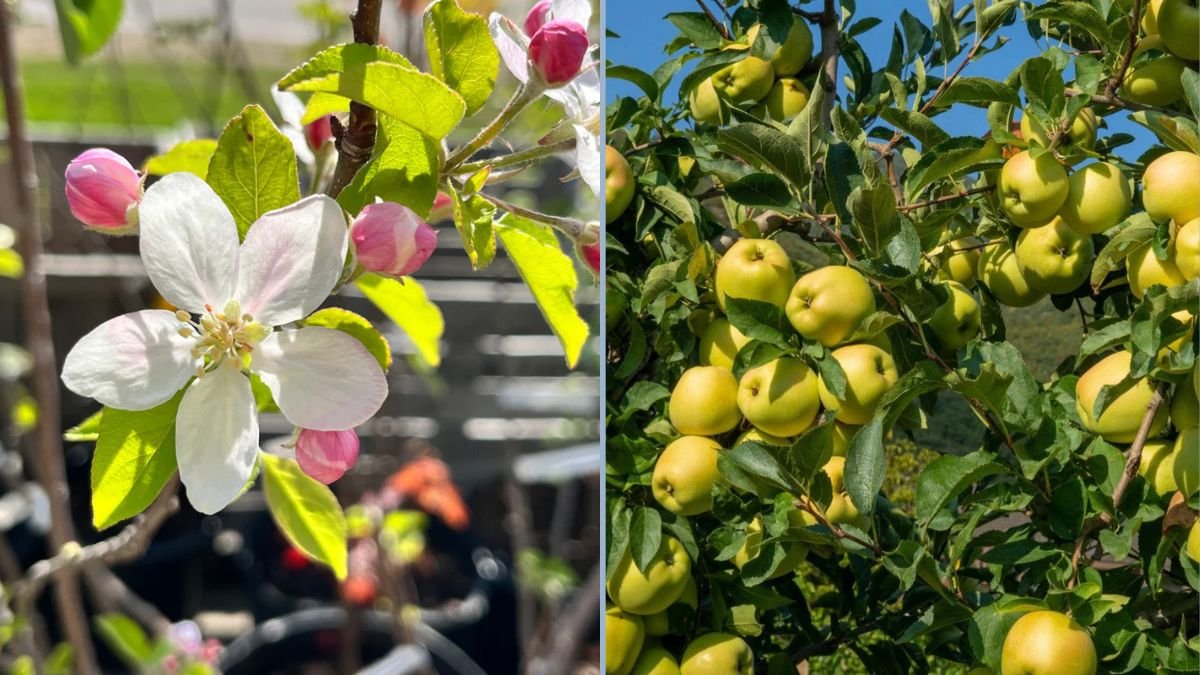
There’s nothing quite like the sight of Golden Delicious apple trees in full bloom. Their delicate, creamy-white flowers with a hint of pink signal the start of the growing season and promise a bounty of sweet, golden fruit in the fall. Whether you’re a backyard gardener, a first-time apple grower, or simply someone who loves the beauty of flowering fruit trees, the Golden Delicious apple is a classic variety worth cultivating.
In this post, we’ll explore everything you need to know about growing Golden Delicious apples, from planting and pollination to pruning, pest management, and maximizing bloom and fruit production. By the end, you’ll be equipped to enjoy both the stunning blossoms and the delicious fruit this variety has to offer.
About the Golden Delicious Apple
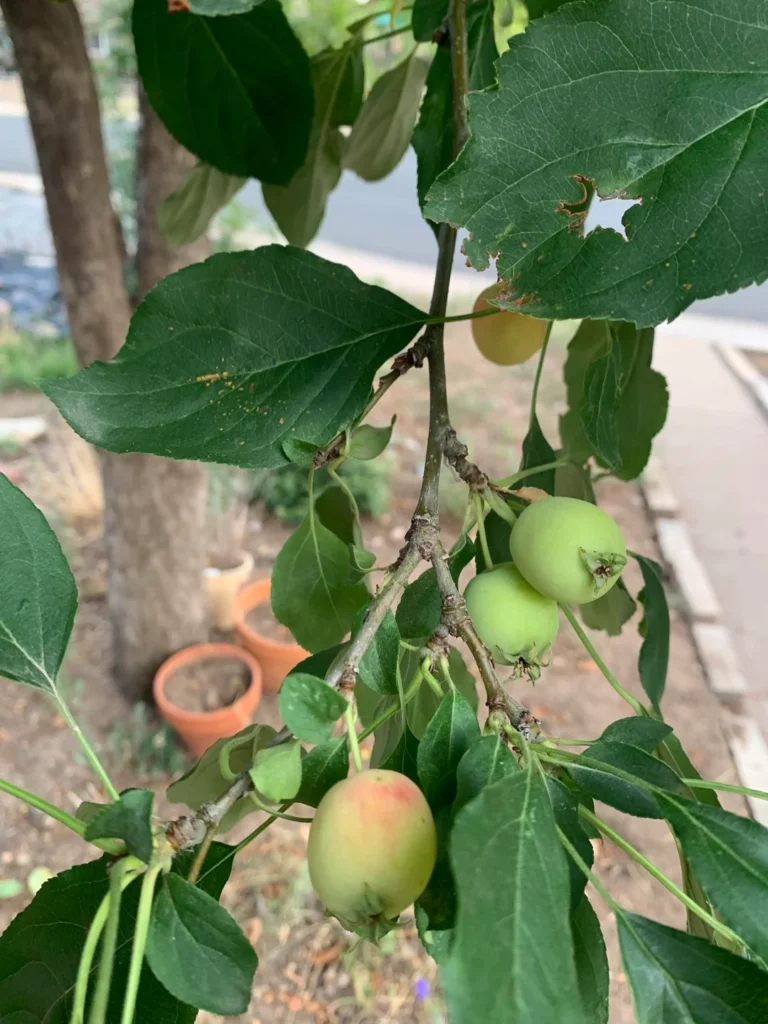
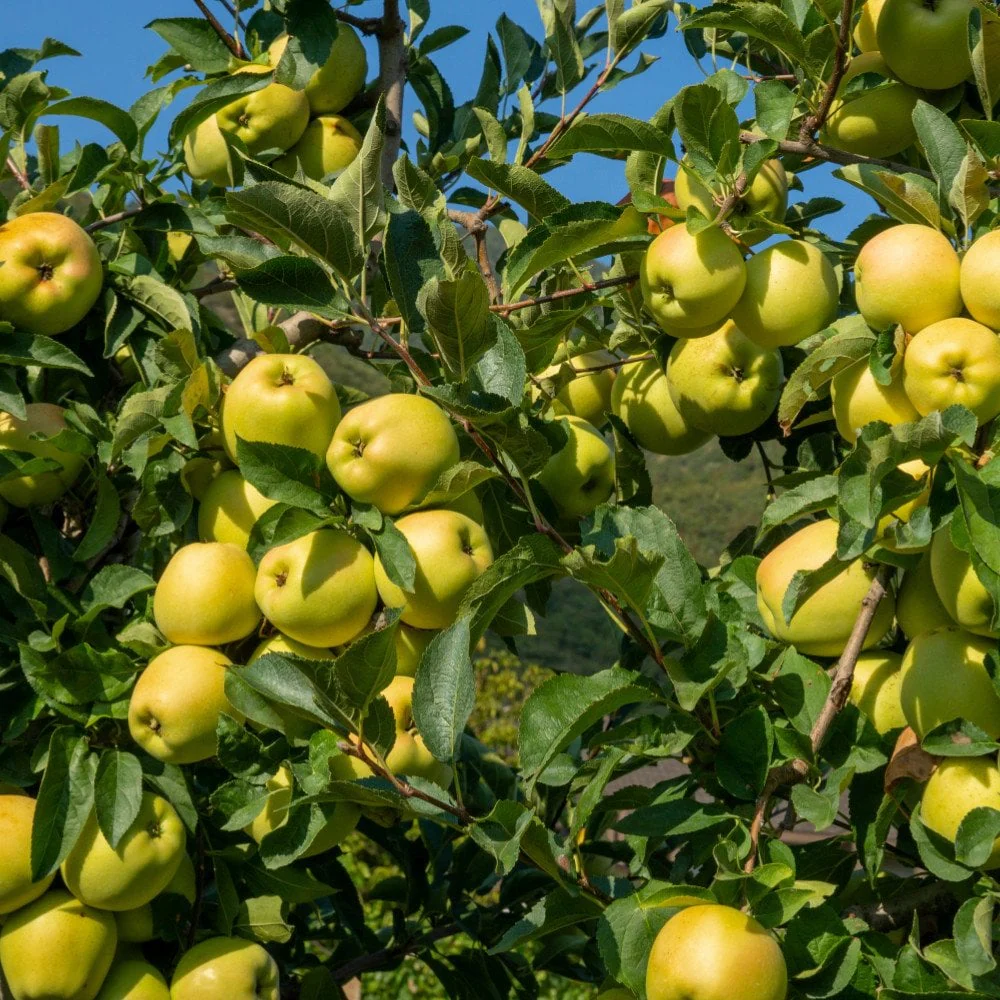
Golden Delicious is one of the most beloved apple varieties worldwide. Originating in West Virginia in the early 1900s, this apple quickly became famous for its sweet, crisp flavor, vibrant golden-yellow skin, and versatility.
Key features of Golden Delicious apples include:
- Taste: Sweet, mild, and slightly honeyed.
- Texture: Crisp yet tender, perfect for eating fresh, baking, or making applesauce.
- Storage: Excellent keeping qualities, often storing for months in the right conditions.
- Growth: Hardy and adaptable, making it suitable for a wide range of climates.
Why Golden Delicious Apple Blooms Are So Special
The blooming period of a Golden Delicious apple tree is a critical stage in its life cycle. During this time, the tree produces clusters of delicate white flowers that attract pollinators like bees, ensuring that flowers will be fertilized and eventually develop into fruit.
Why blooms are important:
- Pollination: Flowers must be pollinated to produce apples.
- Indicator of health: A profusion of blossoms usually signals a healthy, well-nourished tree.
- Aesthetic appeal: Apple blossoms add beauty to your garden, attracting pollinators and enhancing the overall landscape.
- Forecasting fruit: A good bloom often correlates with a fruitful harvest — though thinning and proper care are needed to ensure high-quality apples.
Choosing the Right Location for Golden Delicious Apples
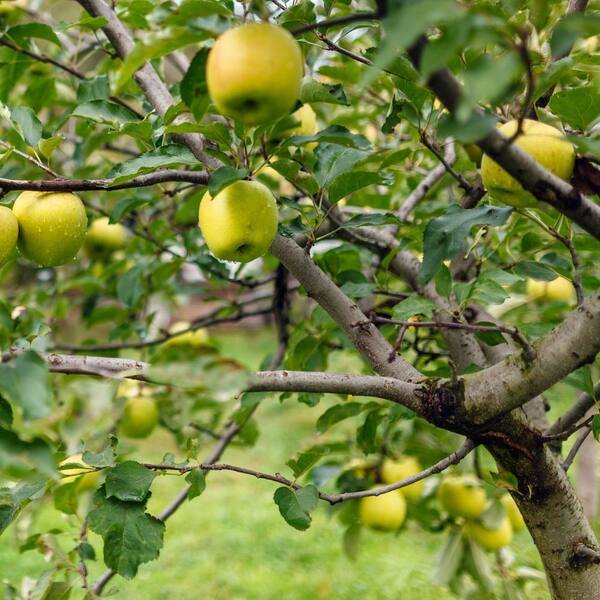
A tree’s environment is crucial for optimal bloom and fruit production. Golden Delicious apple trees thrive in well-drained soil and full sunlight.
Tips for selecting the ideal planting site:
- Sunlight: At least 6–8 hours of direct sunlight daily.
- Soil: Loamy, well-draining soil enriched with organic matter. Avoid areas prone to waterlogging.
- Space: Plant trees at least 15–20 feet apart for standard trees and 10–15 feet for semi-dwarf varieties to allow airflow and sunlight penetration.
- Protection: Choose a spot sheltered from strong winds, which can damage blossoms and reduce fruit set.
Pollination: Key to Fruit Production
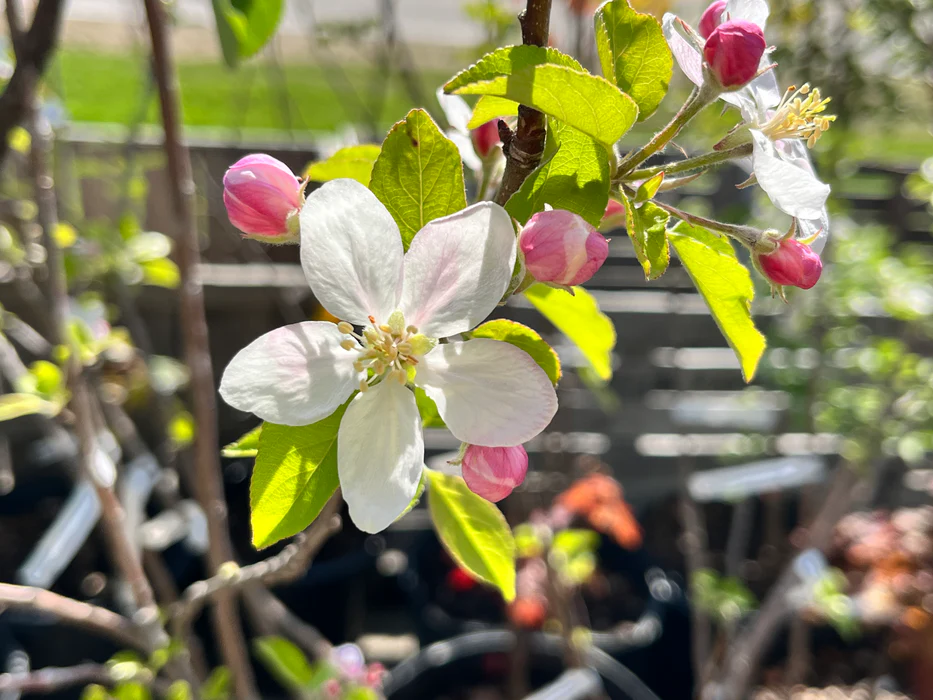
Golden Delicious apple trees are not fully self-pollinating, meaning they need a compatible pollinator nearby to produce fruit consistently. Planting another apple variety that blooms at the same time is essential for cross-pollination.
Recommended pollination partners:
- Fuji
- Gala
- Honeycrisp
- Jonagold
- Red Delicious
Even if you have just one tree, nearby orchards or backyard trees can sometimes provide enough pollen, but adding a pollinator increases your chances of a bountiful harvest.
Planting Golden Delicious Apple Trees
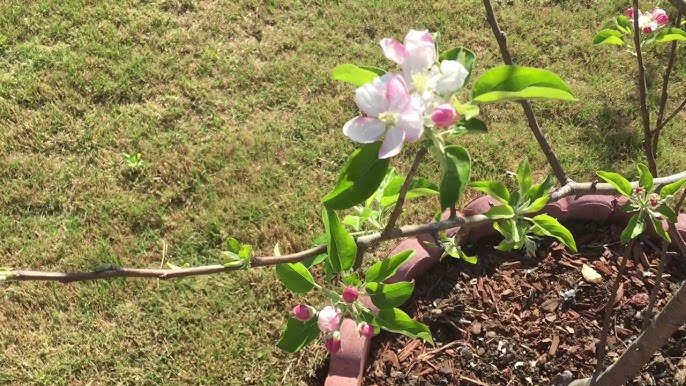
Step 1: Selecting the Tree
Choose healthy saplings from a reputable nursery. Decide whether you want a dwarf, semi-dwarf, or standard tree depending on your space:
- Dwarf: 8–10 feet tall, ideal for small yards or container planting.
- Semi-dwarf: 12–15 feet tall, good for medium-sized yards.
- Standard: 20–25 feet tall, suited for large yards or orchards.
Step 2: Preparing the Soil
- Dig a hole twice as wide and as deep as the root system.
- Mix the excavated soil with compost or well-rotted manure for nutrients.
- Ensure the planting hole has good drainage to prevent root rot.
Step 3: Planting
- Position the tree so the graft union (the swollen area near the base) is slightly above the soil line.
- Spread roots evenly around the hole, backfill gently, and water thoroughly.
- Add mulch around the base to retain moisture, but leave a gap around the trunk to prevent rot.
Caring for Golden Delicious Apple Trees
Watering
- Newly planted trees need regular watering to establish roots.
- Mature trees should be watered deeply during dry periods, especially during flowering and fruit set.
Fertilization
- Apply a balanced fertilizer in early spring before bloom.
- Consider additional phosphorus and potassium during flowering and fruit development to encourage strong fruit growth.
- Avoid over-fertilizing with nitrogen, which can lead to excessive leaf growth and fewer blossoms.
Pruning
- Prune in late winter or early spring while the tree is dormant.
- Remove dead, damaged, or crossing branches.
- Thin out the canopy to allow sunlight and air circulation, which improves bloom and reduces disease risk.
- Encourage short fruiting spurs on lateral branches, where most apples will develop.
Encouraging Beautiful Blooms
To maximize the beauty and productivity of your Golden Delicious apple tree blossoms:
- Proper pruning: Stimulates new flower buds while maintaining an open canopy.
- Balanced fertilization: Prevents excessive vegetative growth.
- Adequate water: Reduces stress, which can inhibit flowering.
- Pest and disease control: Keep flowers healthy by preventing aphids, apple scab, or fungal infections.
- Pollinator-friendly environment: Plant flowering companion plants to attract bees and other beneficial insects.
Common Pests and Diseases
Golden Delicious apple trees are generally hardy but can be susceptible to certain pests and diseases:
Pests:
- Aphids
- Codling moths
- Spider mites
Diseases:
- Apple scab
- Powdery mildew
- Fire blight
Prevention tips:
- Inspect regularly for early signs of infestation.
- Remove fallen leaves and debris around the tree base.
- Use organic sprays or horticultural oils as needed.
- Encourage beneficial insects like ladybugs and lacewings.
Fruit Thinning for Quality Apples
A heavy bloom can result in fruit overload, where too many apples on a branch lead to smaller, lower-quality fruit. Thin apples when they’re about 1 inch in diameter, leaving 4–6 inches between fruits. This helps branches support the remaining fruit, improving size and taste.
Harvesting Golden Delicious Apples
Golden Delicious apples typically ripen in late September to early October, depending on your local climate. Signs that apples are ready to harvest include:
- Firm, golden-yellow skin
- Sweet aroma
- Easy detachment from the branch with a gentle twist
Store harvested apples in a cool, dry place or refrigerate to maintain freshness. Golden Delicious apples can last several months under ideal storage conditions.
Benefits of Growing Golden Delicious Apples
- Delicious taste: Sweet, crisp, and versatile for eating, baking, or juicing.
- Ornamental value: Beautiful spring blossoms enhance your garden’s aesthetics.
- Pollinator-friendly: Attracts bees and beneficial insects.
- Longevity: With proper care, trees can bear fruit for decades.
Final Thoughts: Enjoying the Bloom and the Harvest
Watching a Golden Delicious apple tree bloom beautifully is one of the most rewarding experiences for a gardener. Those delicate white flowers not only brighten your garden but also signal the start of a journey that will lead to crisp, golden apples come fall.
By selecting the right planting site, providing proper care, encouraging pollination, and managing pruning and pests, you can ensure your Golden Delicious apple tree thrives year after year — offering both stunning spring blossoms and a delicious harvest.
Whether you’re growing apples in a small backyard, a container, or a larger garden, the beauty of Golden Delicious apples blooming beautifully is a reminder that patience, care, and attention to detail yield both aesthetic and edible rewards.