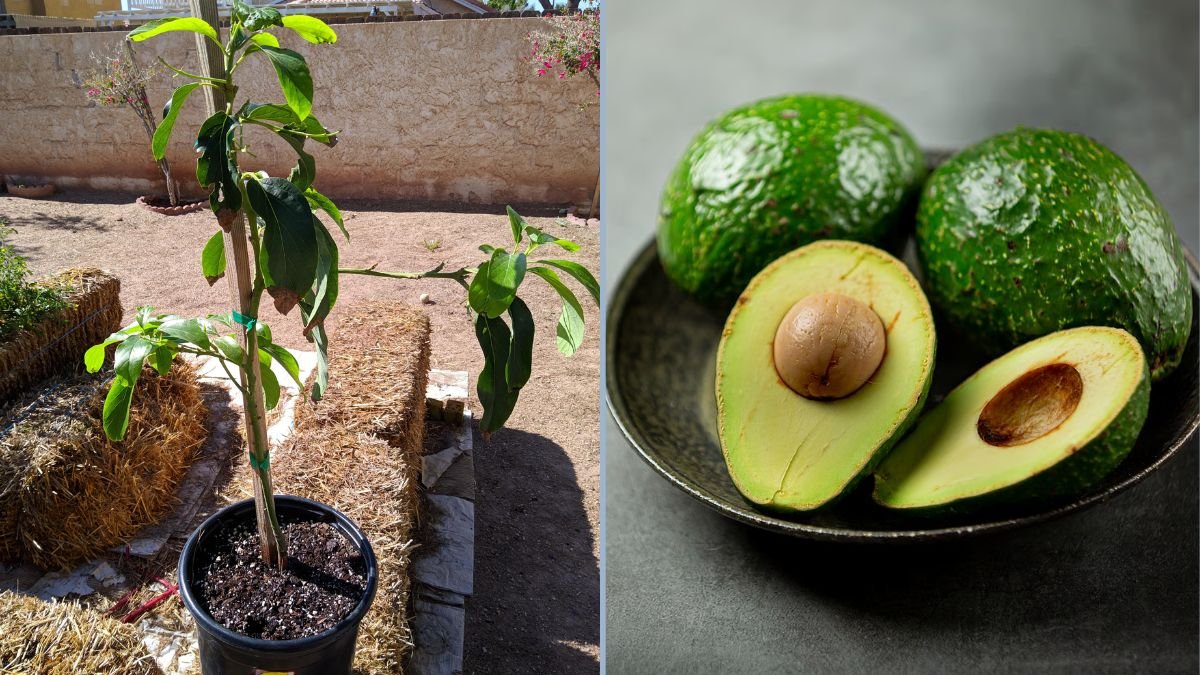
When you’re gardening in a warm region—like much of India’s tropical or subtropical zones—choosing fruit trees that tolerate high heat while still delivering flavour and yield is key. The Reed avocado cultivar stands out in this regard. In this post we’ll explore what makes Reed special, how it handles hot climates, how to grow it successfully, and why it might be a great fit for your garden.
1. What is Reed Avocado?
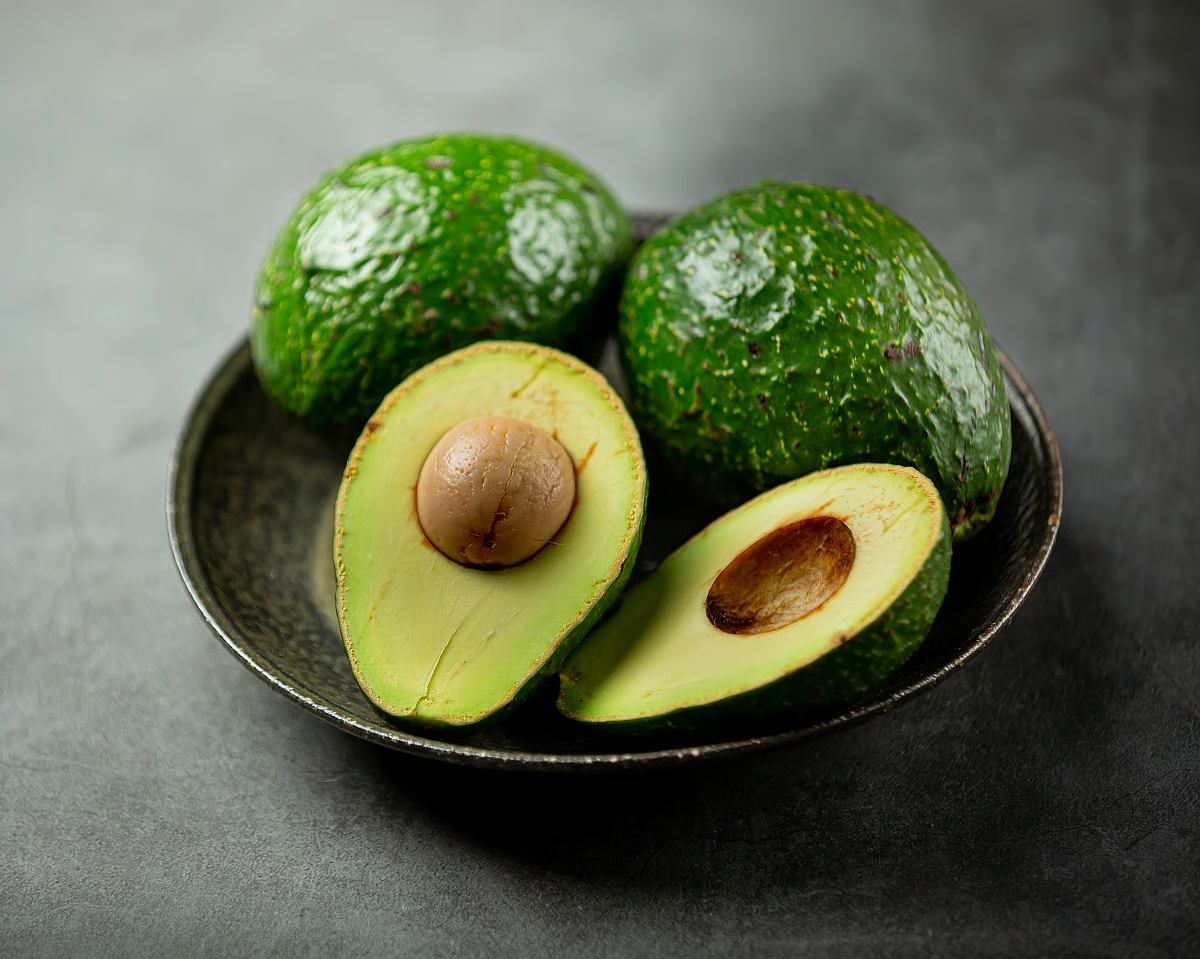
The Reed avocado is a cultivar of the species Persea americana, originally discovered in California and registered around 1960.
Some key traits:
- It’s a Guatemalan‑type avocado cultivar: large fruit, thick skin, rich flesh.
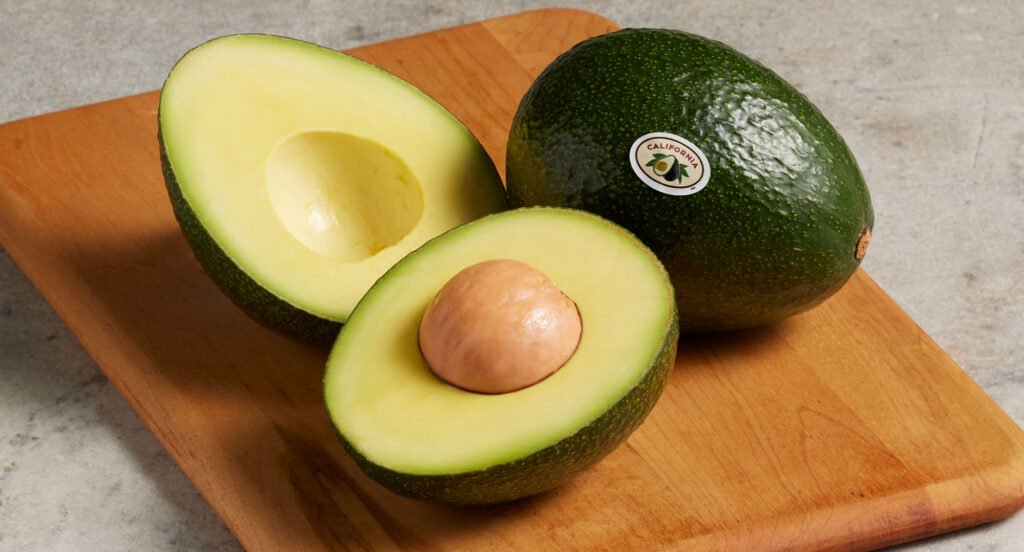
- The fruit is larger than many common avocado varieties — often 12‑24 oz (340‑680 g) or more.
- The skin remains green even when ripe (unlike many varieties which go dark).
- The flesh is described as dense, creamy, buttery and with “nutty undertones”.
These flavour and texture qualities make Reed an appealing avocado for both gardens and fresh consumption.
2. Why Reed Avocado Works in Hot Climates
One of the major concerns for fruit tree growers in hot regions is whether the tree can handle heat stress (leaf burn, flower drop, fruit drop, sunburn) and whether the cultivar will still set fruit reliably. Reed checks a lot of boxes here.
Heat Tolerance
- Reed trees can tolerate extremely high temperatures, often above 43°C (110°F), appearing almost undamaged during heat waves.
- It is suitable for hot and subtropical climates, making it ideal for regions where summer temperatures soar.
Other Climate & Crop Stability Traits
- Reed trees have downward‑hanging branches, which helps protect fruit from sunburn.
- They are consistent in bearing, holding onto fruit rather than dropping it under heat stress.
Suitability for Subtropical/Tropical Zones
Given its heat tolerance and general resilience, Reed is often recommended for hot/subtropical zones.
3. Growing Reed Avocado in Hot Climates – Step by Step
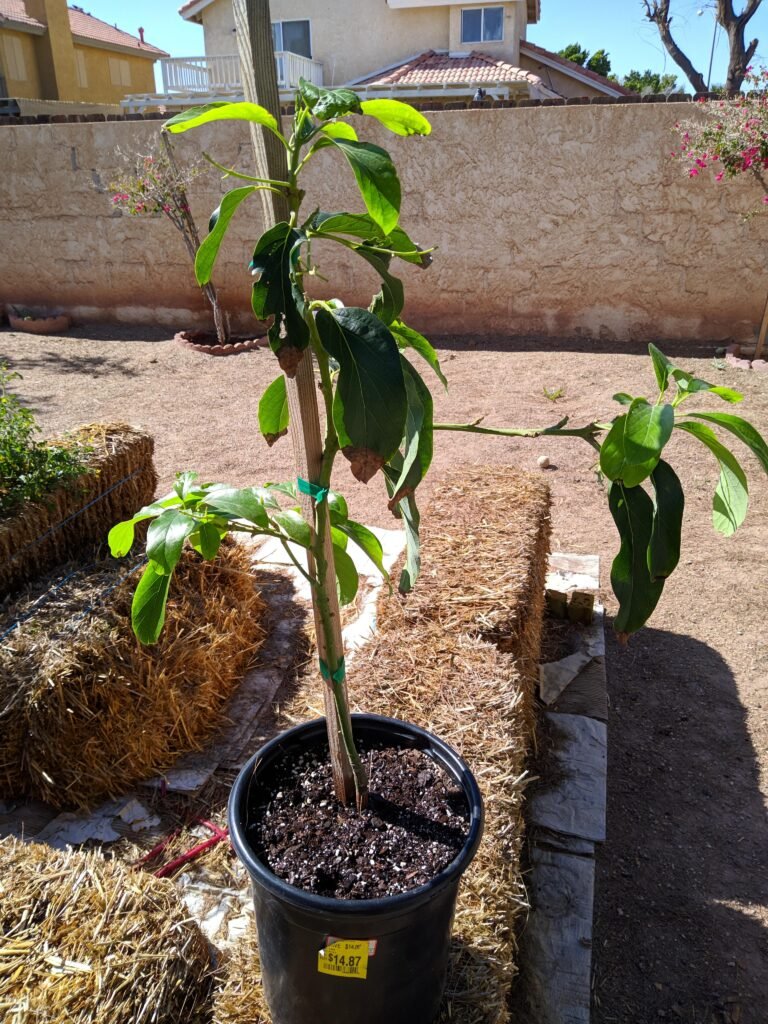
Site Selection & Soil
- Choose a spot with full sun (8+ hours daily).
- Soil must be well‑drained. If your native soil is heavy clay, amend it or plant on a mound.
- Slightly acidic to neutral pH is ideal; avoid alkaline soils.
- Protect from waterlogging during heavy rains.
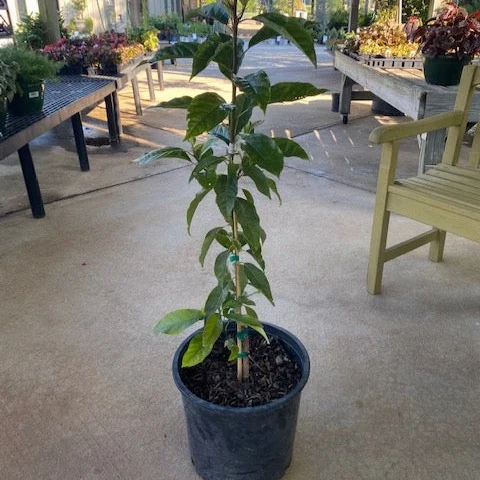
Planting
- Acclimate young grafted trees to full sun gradually to avoid shock.
- Dig a hole as deep as the root ball and twice as wide. Avoid burying the graft union.
- Water deeply after planting and mulch around the drip line, keeping it a few inches from the trunk.
Irrigation & Moisture
- Deep watering is better than shallow frequent watering to develop deep roots and prevent water stress.
- Keep soil moisture consistent, especially during heat spikes.
- Avoid waterlogging; good drainage is critical.
Temperature & Sunburn Protection
- While heat-tolerant, young trunks and roots can suffer sunburn. Use mulch or protective coverings.
- Reed is sensitive to frost, so take precautions if occasional cold snaps occur.
Pollination & Variety Group
- Reed is a “Type A” avocado cultivar.
- Better yields often result when a complementary Type B pollinator is nearby.
Fertilisation & Pruning
- Young trees: focus on root and canopy establishment; avoid heavy fertiliser early.
- Mature trees: apply balanced fertiliser rich in nitrogen, potassium, and micronutrients.
- Prune lightly to shape the tree and maintain airflow, avoiding heavy pruning during extreme heat.
Harvesting & Fruit Management
- Reed produces large, round fruit with thick skin.
- Skin remains green even when ripe; judge ripeness by feel.
- Keep harvested fruit shaded and cool in hot climates.
- Monitor for pests and diseases; Reed is generally resilient, but hot/humid climates can promote fungal or insect issues.
4. Advantages & Considerations for Indian/Subtropical Growers
Advantages
- Heat resilience: Works well even in high temperatures.
- Large fruit size & good flavour: Creamy, buttery texture is ideal for fresh consumption.
- Longer hanging time: Fruit can remain on the tree longer without dropping.
- Specialty appeal: Reed is less commonly found locally, making it unique.
Considerations
- Cold sensitivity: Extra protection may be needed during rare frost.
- Thick skin: Harder to peel than thin-skinned varieties.
- Market familiarity: Local consumers may know Hass better; marketing Reed’s unique features can help.
- Space management: Trees grow large, especially in hot climates, so plan space accordingly.
5. Practical Tips for Indian/Subtropical Growers
- Choose a planting site with good drainage, especially during monsoon.
- Protect against hot, dry winds with mulch and barriers if necessary.
- Monitor soil salinity in coastal areas; Reed shows some salt tolerance.
- Schedule harvesting to avoid peak monsoon or extreme humidity that could affect quality.
- Emphasize Reed’s large size, creamy texture, and green skin when marketing.
6. Conclusion
If you’re looking for an avocado cultivar that thrives in heat, produces large, flavourful fruit, and suits tropical or subtropical gardens, the Reed avocado is an excellent choice. With good site conditions, sunlight, well-drained soil, mulch, and irrigation attention, a Reed avocado tree can perform well for years. In regions like Mumbai, Goa, or Karnataka, it offers both gardener satisfaction and potential for fresh fruit consumption or local sale.