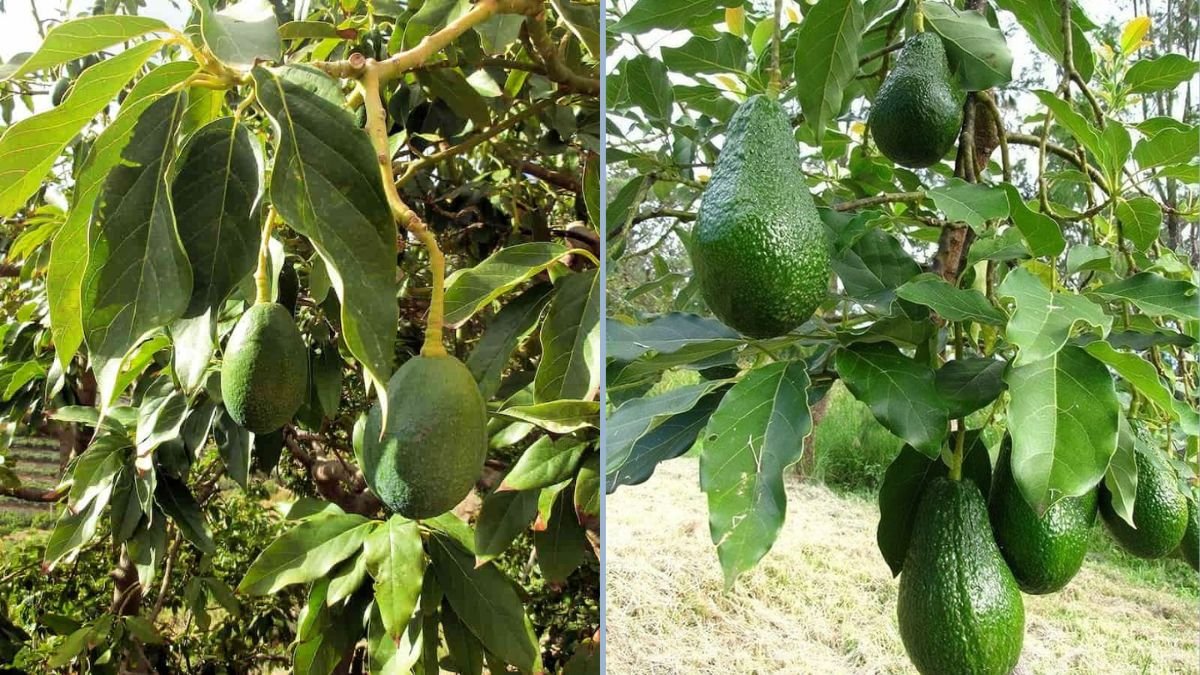
If you’re growing—or planning to grow—the Bacon avocado, this in-depth update will walk you through everything you need to know about this unique variety: how it’s doing in 2025, what to expect from your own tree, and the essential care tips to keep it thriving. Inspired by the theme of “Bacon Avocado Update,” this guide provides practical insight for home growers and small-scale orchard enthusiasts alike.
1. Meet the Bacon Avocado Variety
Before diving into the update, it’s helpful to understand what makes the Bacon avocado special.
The Bacon avocado was first cultivated in Southern California in the 1920s by a grower named James E. Bacon. It quickly became popular because of its ability to tolerate slightly cooler temperatures compared to other avocado varieties.
Here’s what sets it apart:
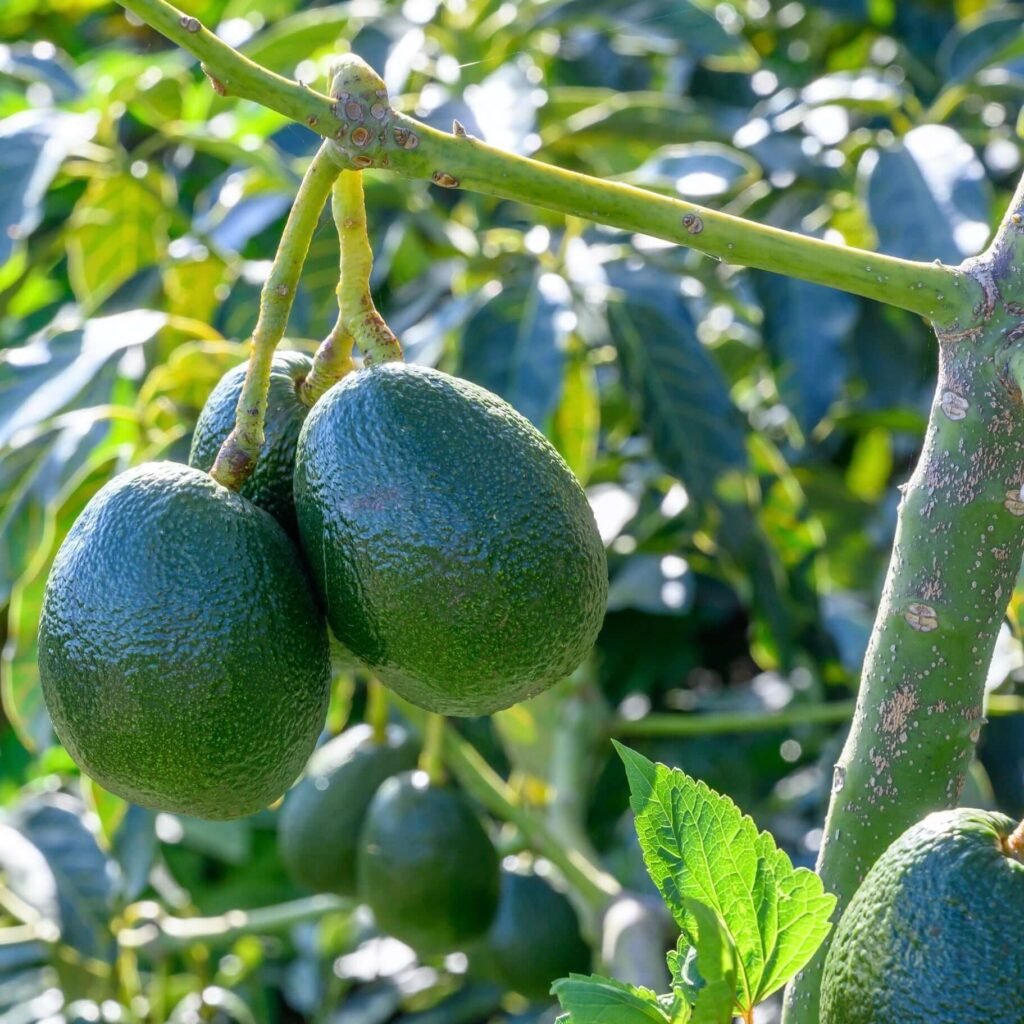
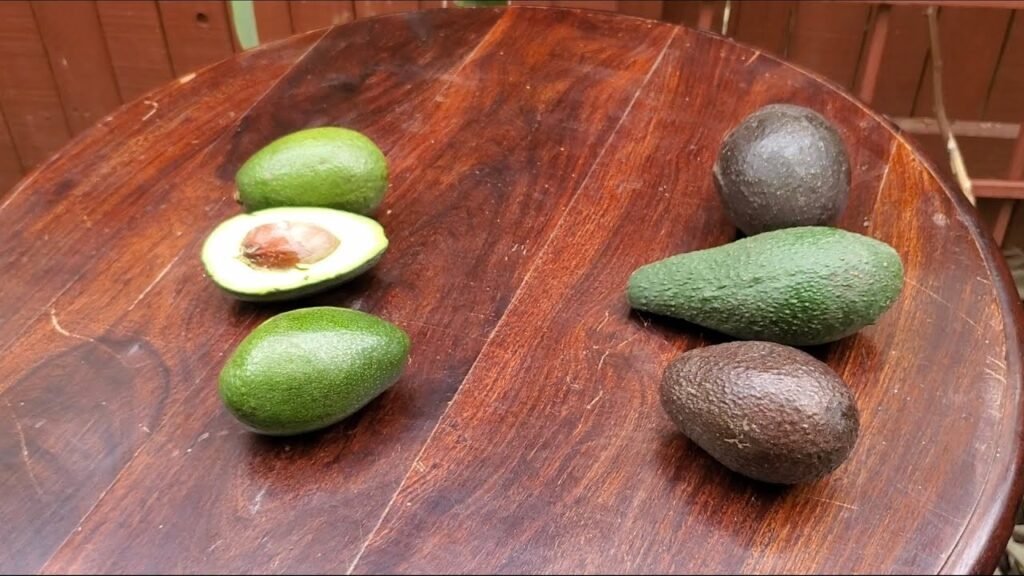
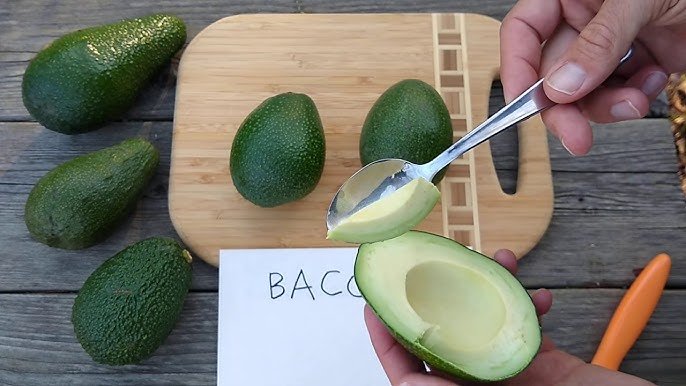
- Appearance: The fruit is medium to large in size, with smooth, glossy green skin that stays green even when ripe.
- Flavor and texture: Bacon avocados have a mild, creamy taste that’s less oily than the popular Hass variety.
- Growing habit: The tree is moderately tall, upright, and hardy, often performing better in cooler or coastal climates where other varieties might struggle.
- Flower type: It’s a Type B avocado, meaning its flowers open as female in the afternoon and as male in the morning—perfect for pairing with a Type A variety like Hass for better pollination.
Although it’s no longer a dominant commercial variety, the Bacon avocado remains a favorite among home growers who appreciate its light flavor and adaptability.
2. The Current Update: How Bacon Avocados Are Doing in 2025
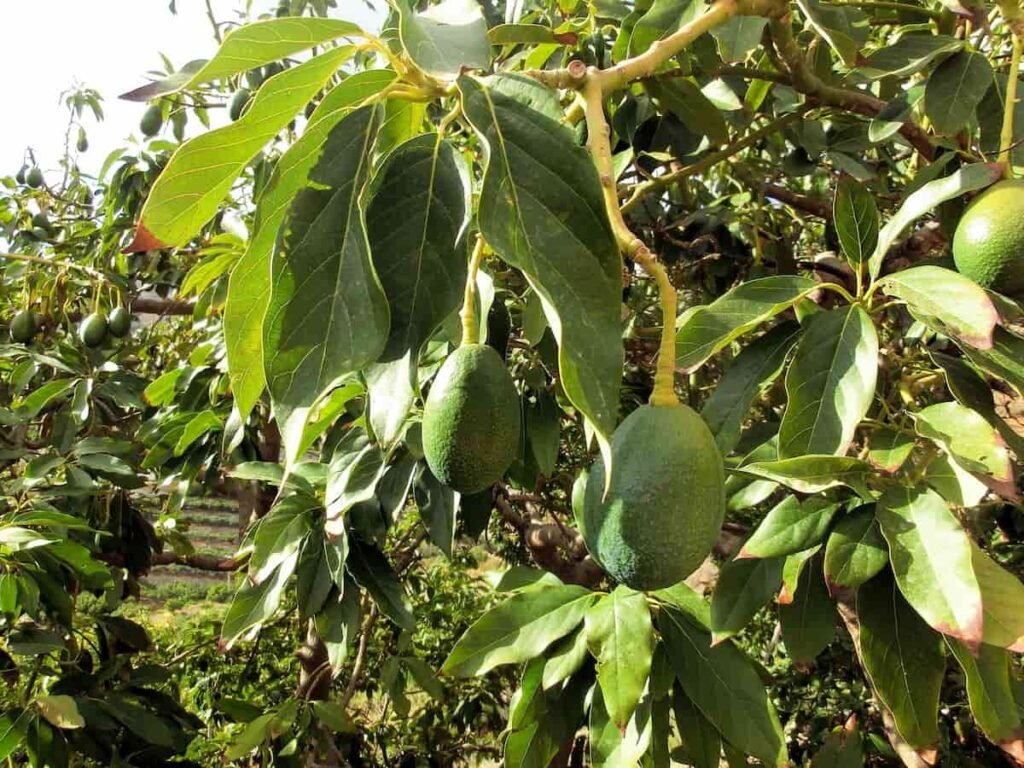
As of 2025, Bacon avocado growers—especially in home gardens and small orchards—are noticing several trends.
In some regions, the harvest season for Bacon avocados is beginning earlier due to warmer average temperatures and extended growing periods. However, commercial demand has slightly declined as consumers often prefer the richer taste and dark, easy-to-recognize skin of Hass avocados.
That said, backyard and small-scale growers still love Bacon for its:
- Consistent yields even in cooler winters.
- Beautiful evergreen foliage that adds ornamental value.
- Smooth, easy-to-peel skin and mild flavor perfect for salads and fresh eating.
The takeaway? While commercial markets may be shifting, home gardeners are finding renewed appreciation for Bacon avocados as a reliable, productive variety that’s ideal for personal use.
3. Planting and Location Tips
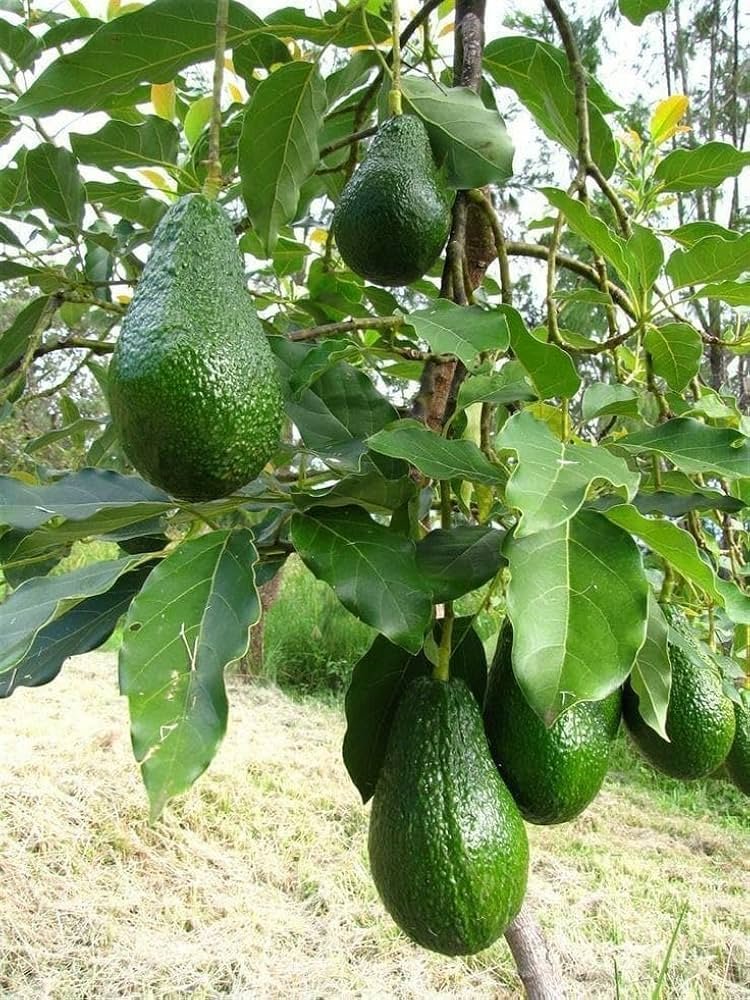
Sunlight & Temperature:
- Bacon avocados love full sunlight—at least six hours per day.
- They tolerate cooler climates better than most avocados, handling light frost or temperatures as low as -3°C (27°F).
- In very hot regions, provide some afternoon shade when the tree is young to prevent sunburn on tender leaves.
Soil & Drainage:
- Use well-draining soil; avocados hate soggy conditions.
- A slightly sandy loam is ideal, with a pH between 6.0 and 6.5.
- If your soil is heavy clay, create raised mounds or plant in large containers to avoid waterlogging.
Planting Steps:
- Choose a healthy grafted Bacon sapling.
- Dig a hole twice as wide as the root ball but only as deep as it.
- Gently place the sapling in the hole, keeping the root crown slightly above ground level.
- Backfill with native soil mixed with compost.
- Water deeply after planting, and add mulch around the base (keeping mulch away from the trunk).
4. Watering and Moisture Management
Watering correctly is one of the most important aspects of growing a Bacon avocado tree.
- Young trees: Water lightly but frequently until established.
- Mature trees: Water deeply once a week during dry weather.
- Allow the top few inches of soil to dry between watering.
- Always avoid letting the roots sit in standing water—it’s the fastest way to kill an avocado tree.
Tip: Insert your finger into the soil about two inches deep. If it feels dry, it’s time to water. If still moist, wait another day or two.
Container-grown trees dry out faster, so check them more often, especially in hot or windy weather.
5. Fertilizing and Nutrition
Bacon avocado trees are vigorous feeders that benefit from regular fertilization.
- Use a balanced fertilizer (such as 10-10-10 or similar) during the growing season—spring through summer.
- Apply small, frequent doses for young trees (every 6–8 weeks). Mature trees need feeding twice a year, usually in spring and midsummer.
- Include trace minerals like zinc, iron, and magnesium to keep the foliage green and healthy.
- Organic compost, worm castings, or aged manure are excellent natural alternatives that build soil fertility.
Avoid overfertilizing, especially in winter. Excess nitrogen can cause leafy growth at the expense of fruit production.
6. Pruning and Tree Shape
Pruning your Bacon avocado tree helps it stay healthy and productive.
- Prune lightly in early spring before the active growing season.
- Remove dead, diseased, or crossing branches to improve airflow and sunlight penetration.
- Shape the tree into a conical form—wider at the base and narrower toward the top—to let light reach all parts.
- For container or small-space trees, prune to limit height and spread.
Avoid heavy pruning, which can stress the tree or delay fruiting.
7. Pollination and Fruit Set
Because the Bacon is a Type B avocado, having a Type A variety nearby (like Hass or Pinkerton) can significantly boost pollination and fruit production.
If you only have one tree, don’t worry—many Bacon trees still self-pollinate with reasonable success, especially when plenty of bees are present.
To improve pollination:
- Encourage bees by planting nearby flowering herbs like basil, rosemary, or lavender.
- Avoid pesticide sprays during flowering periods.
- Water and feed adequately before the flowering season to support strong bloom development.
8. Common Problems and How to Handle Them
Root Rot:
The most common issue for avocados. It happens when the roots stay too wet. Prevent this with well-drained soil and proper watering habits.
Leaf Burn:
Brown leaf tips can signal salt buildup in the soil or too much fertilizer. Flush the soil with clean water occasionally to wash out excess salts.
Fungal Diseases:
Fungal infections like anthracnose can affect leaves and fruit. Prune to improve airflow and avoid watering the foliage.
Fruit Drop:
If your tree drops small avocados early, it could be stress-related—caused by irregular watering, poor pollination, or nutrient imbalance.
Pests:
Watch for spider mites, scale insects, and thrips. A light spray of neem oil or insecticidal soap can help control infestations organically.
9. Harvesting and Ripening
Patience is key—Bacon avocados typically begin to bear fruit after three to four years if grown from a grafted tree.
- Bacon avocados stay green when ripe, so don’t wait for the skin to darken.
- To test ripeness, pick one mature-sized fruit and let it sit at room temperature for a few days. If it softens evenly, the rest are ready.
- Use pruning shears to cut fruit with a short stem attached—avoid pulling or twisting.
- Once harvested, avocados ripen at room temperature in 4–10 days. You can refrigerate ripe fruit to extend shelf life.
10. Seasonal Care Calendar
Spring:
- Fertilize as new growth appears.
- Prune lightly for shape and airflow.
- Monitor for early pests and treat promptly.
Summer:
- Water deeply once or twice a week, depending on weather.
- Mulch to keep roots cool and retain moisture.
- Watch for leaf burn during hot spells.
Autumn:
- Harvest mature fruit.
- Apply a balanced fertilizer before winter.
- Reduce watering as temperatures cool.
Winter:
- Protect young trees from frost with covers or windbreaks.
- Avoid overwatering during cold periods.
11. Quick-Care Checklist
- ☑ Full sun (6+ hours daily)
- ☑ Well-drained soil, slightly acidic
- ☑ Deep watering once a week
- ☑ Balanced fertilization in growing season
- ☑ Light pruning each spring
- ☑ Watch for pests and root rot
- ☑ Harvest when mature—skin stays green
- ☑ Ripen fruit off the tree
Final Thoughts
Growing a Bacon avocado tree is both rewarding and surprisingly forgiving. Its mild flavor, attractive green fruit, and reliable performance make it an excellent choice for home growers—especially in regions where temperatures occasionally dip below ideal avocado conditions.
While it may not be the most famous variety on supermarket shelves, the Bacon avocado offers its own charm: consistent yields, beautiful foliage, and a subtle buttery flavor that’s perfect for fresh eating.
By following the simple care steps in this update—good soil, balanced feeding, proper watering, and timely harvesting—you’ll enjoy healthy growth and a steady supply of delicious avocados for years to come.