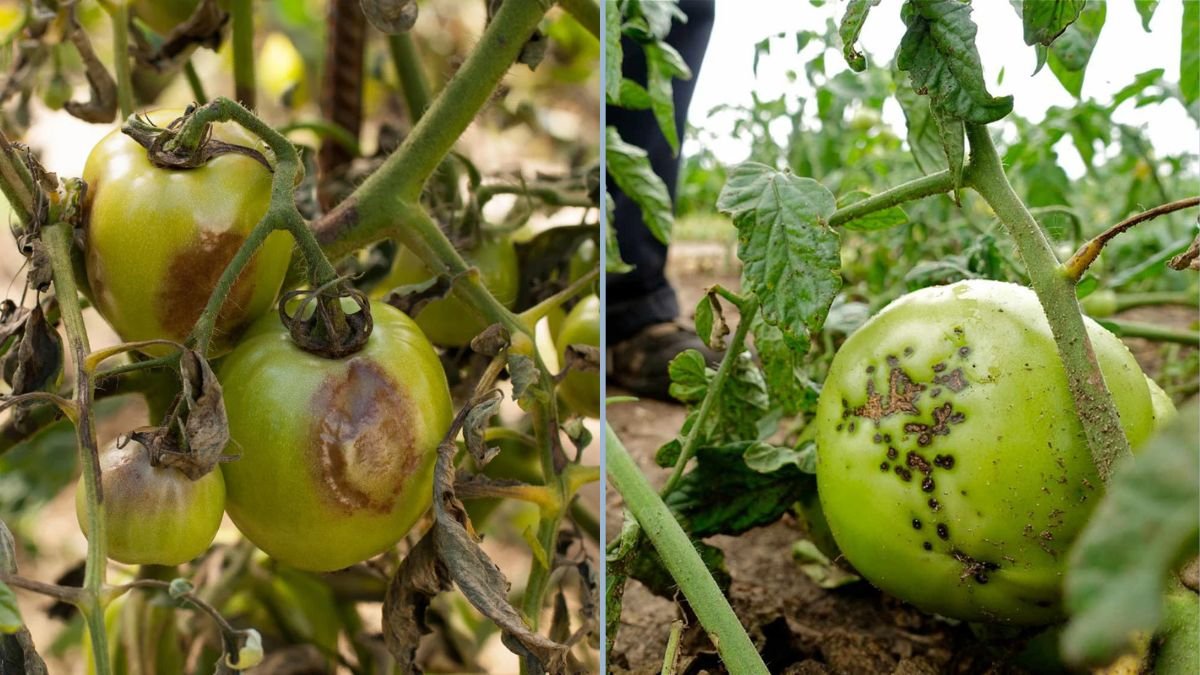
Tomatoes are among the most widely cultivated vegetables in home gardens due to their versatility, nutritional value, and culinary appeal. However, tomato blight—a common fungal disease—poses a significant threat to both outdoor and indoor gardens. Chemical fungicides can control blight, but many gardeners prefer organic, plant-based approaches to maintain chemical-free produce, safeguard soil health, and support sustainable gardening practices. This article explores comprehensive, natural strategies to prevent tomato blight while promoting healthy, productive plants.
Understanding Tomato Blight
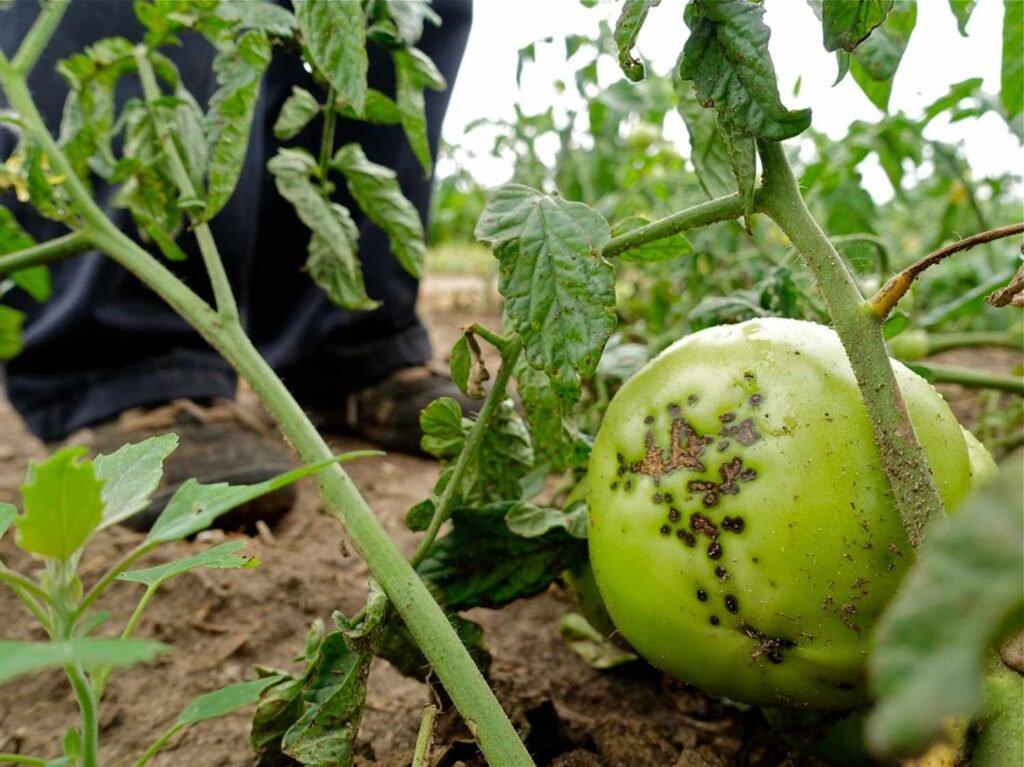
Tomato blight refers to fungal infections that affect leaves, stems, and fruits, reducing yield and quality. There are two main types:
- Early Blight (Alternaria solani)
- Often affects older leaves first.
- Symptoms include dark, concentric spots, yellowing foliage, and leaf drop.
- Favors warm, humid conditions and can spread quickly through wind or water.
- Late Blight (Phytophthora infestans)
- Affects leaves, stems, and fruit simultaneously.
- Symptoms include dark, water-soaked lesions, white fungal growth on leaf undersides, and fruit rot.
- Thrives in cool, wet environments and can devastate entire gardens if unchecked.
Recognizing early signs of blight is critical for timely intervention.
Why Preventing Blight Naturally Matters
- Healthier Produce: Avoids chemical residues on fruits and leaves.
- Environmental Protection: Reduces contamination of soil and water.
- Pollinator Safety: Protects beneficial insects like bees and butterflies.
- Sustainability: Encourages organic gardening practices and long-term soil fertility.
- Cost-Effective: Minimizes reliance on commercial fungicides.
Signs of Tomato Blight
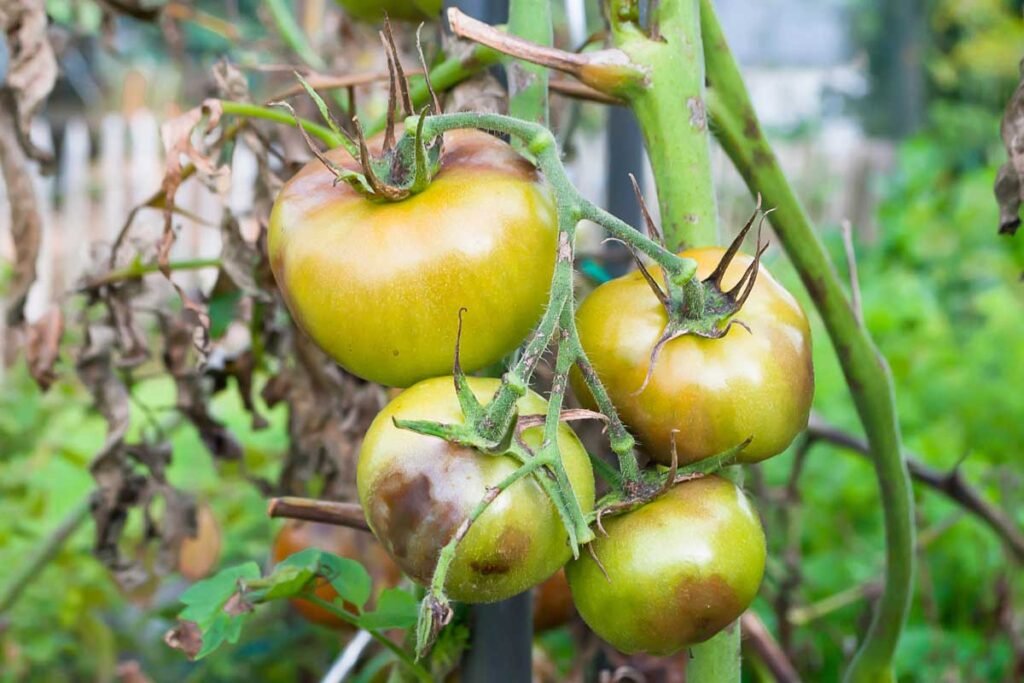
Early identification of blight allows gardeners to act quickly:
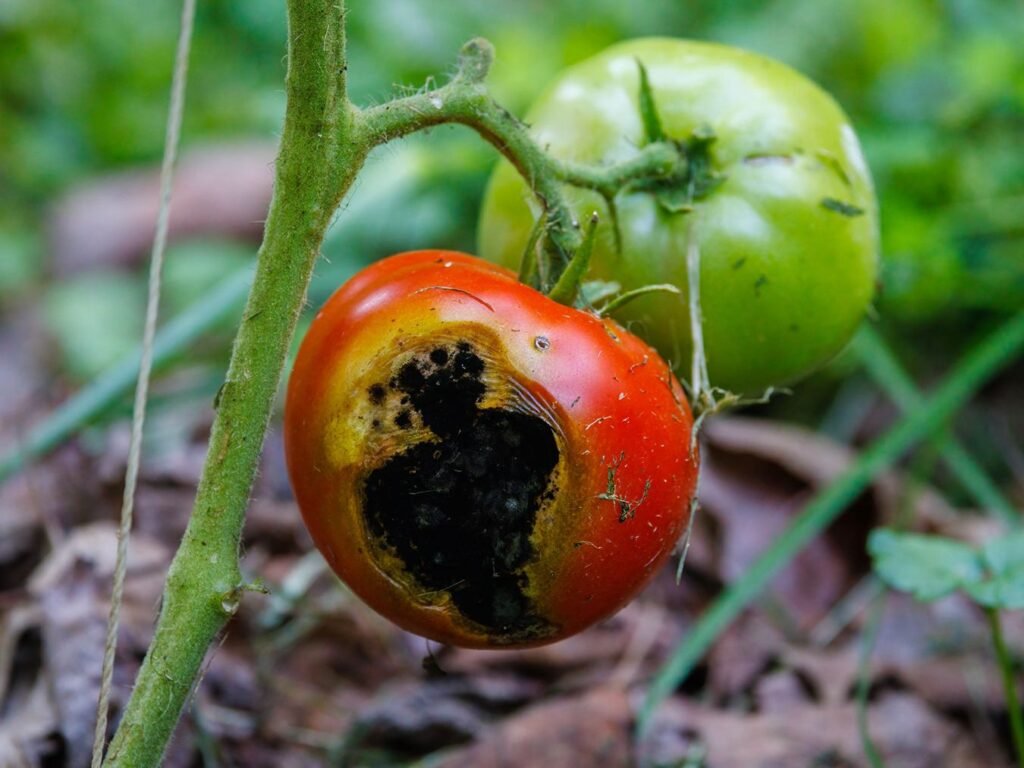
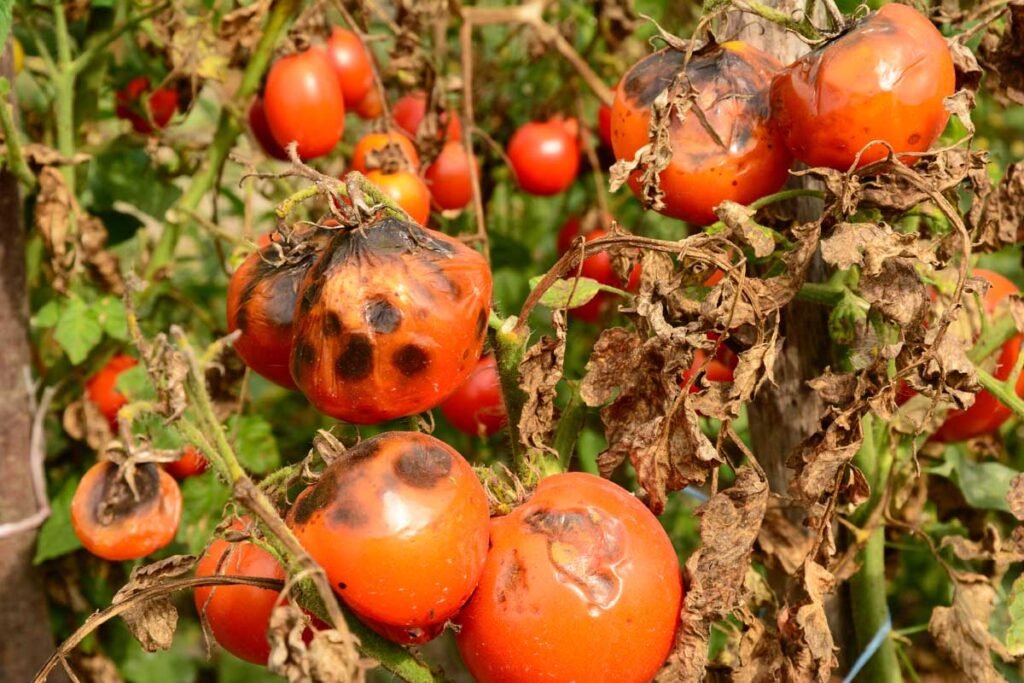
- Dark, irregular spots on leaves and stems.
- Yellowing leaves starting from the lower plant sections.
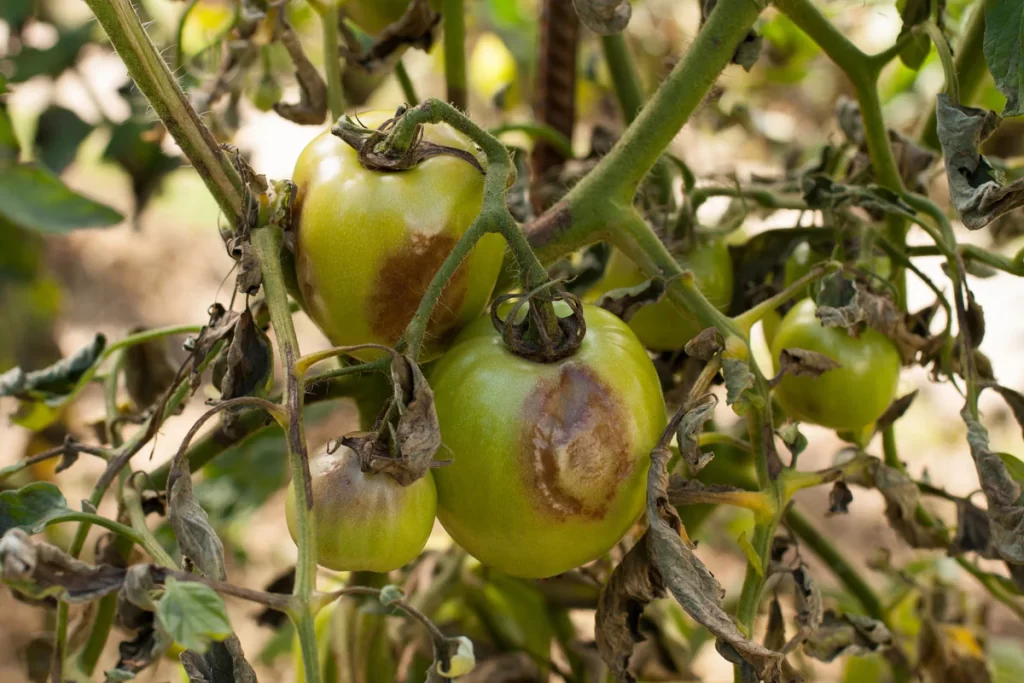
- Brown lesions on fruits, sometimes with a sunken appearance.
- White or gray fungal growth on the undersides of leaves (more common in late blight).
- Rapid leaf drop and wilting under humid conditions.
Natural Strategies to Prevent Tomato Blight
1. Choose Resistant Varieties
- Select tomato cultivars bred for disease resistance, particularly against early and late blight.
- Examples of resistant varieties include:
- Early blight: ‘Defiant’, ‘Mountain Magic’, ‘Iron Lady’
- Late blight: ‘Mountain Merit’, ‘Iron Lady’, ‘Plum Regal’
Planting resistant varieties is the first step in minimizing blight risk and reduces the need for intervention later.
2. Crop Rotation
- Avoid planting tomatoes in the same soil year after year.
- Rotate crops with non-solanaceous plants (e.g., leafy greens, beans, or herbs).
- Rotation interrupts the life cycle of blight-causing fungi and prevents soil accumulation of spores.
3. Proper Spacing and Pruning
- Space tomato plants to ensure adequate air circulation, reducing humidity around foliage.
- Prune lower leaves to prevent contact with soil, which can harbor fungal spores.
- Stake or cage plants to elevate stems and fruit off the ground.
4. Mulching
- Apply organic mulch such as straw, shredded leaves, or grass clippings around the base of plants.
- Benefits include:
- Prevents soil splash during watering, reducing spore transfer.
- Conserves soil moisture.
- Regulates soil temperature.
Mulching creates a physical barrier that limits blight development.
5. Watering Practices
- Avoid overhead watering, which spreads fungal spores.
- Use drip irrigation or water at the base of the plant.
- Water early in the day so foliage dries quickly, reducing the humid environment that promotes blight.
6. Compost and Organic Soil Amendments
- Enrich soil with well-decomposed compost to strengthen plant immunity.
- Compost improves drainage and supports beneficial soil microbes that compete with pathogens.
- Avoid fresh manure, which can introduce pathogens and excessive nitrogen, encouraging lush, disease-susceptible growth.
7. Natural Fungicidal Sprays
Several plant-based remedies can reduce the risk of blight:
- Neem Oil
- Disrupts fungal growth and deters pests that weaken plants.
- Apply weekly, especially during humid conditions.
- Baking Soda Spray
- Mix 1 tablespoon baking soda with 1 liter of water; add a few drops of mild soap.
- Helps create an alkaline environment that inhibits fungal development.
- Garlic or Onion Spray
- Crush garlic or onion and infuse in water; strain and spray on foliage.
- Acts as a natural antifungal and repellent.
- Chamomile Tea
- Brew chamomile and use it as a foliar spray to prevent fungal infections.
These solutions are safe, biodegradable, and support plant-based gardening.
8. Companion Planting
- Plant herbs and flowers that naturally repel fungal spores or attract beneficial insects:
- Basil: Repels certain fungal pathogens and improves tomato flavor.
- Marigold: Deters nematodes and some fungal pests.
- Borage: Enhances plant vigor and attracts pollinators.
Companion planting increases biodiversity and strengthens overall plant health.
9. Sanitation and Garden Hygiene
- Remove and dispose of infected leaves promptly to prevent spread.
- Clean garden tools regularly to avoid cross-contamination.
- Avoid composting infected plant material unless properly heat-treated.
Maintaining a clean garden environment significantly reduces the likelihood of blight outbreaks.
Monitoring and Early Detection
Regular monitoring is crucial for effective blight prevention:
- Inspect leaves, stems, and fruits at least twice a week.
- Look for dark spots, yellowing, or abnormal growth patterns.
- Early detection allows for prompt natural treatment and prevents widespread infection.
Benefits of Preventing Tomato Blight Naturally
- Healthy, Chemical-Free Produce: Ensures safe consumption of homegrown tomatoes.
- Sustainable Gardening Practices: Protects soil health, pollinators, and local ecosystems.
- Cost Savings: Reduces expenditure on chemical fungicides.
- Enhanced Plant Health: Stronger plants resist other pests and stresses.
- Environmental Protection: Minimizes chemical runoff and pollution.
Conclusion
Preventing tomato blight without chemicals is achievable through careful planning, cultural practices, and plant-based interventions. By selecting resistant varieties, rotating crops, ensuring proper spacing, mulching, and adopting sustainable watering practices, gardeners can reduce the risk of fungal infections. Natural sprays like neem oil, baking soda, garlic, and chamomile, along with companion planting and garden hygiene, further protect plants while promoting chemical-free growth.
Natural prevention strategies not only safeguard tomatoes but also contribute to a healthier garden ecosystem, sustainable urban gardening practices, and nutritious, chemical-free produce. With careful observation, consistent maintenance, and plant-based solutions, home gardeners can enjoy abundant, vibrant, and disease-resistant tomato harvests year after year.