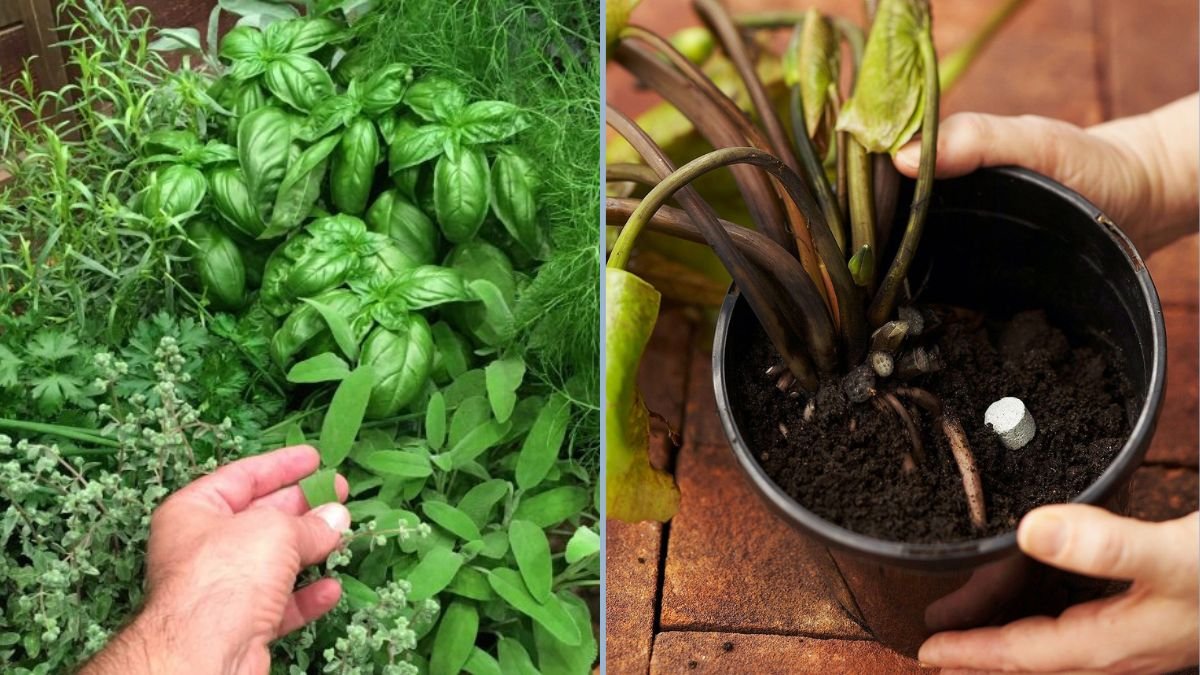
Healthy plants are the foundation of productive, thriving gardens. Whether you grow vegetables, herbs, or ornamental plants, ensuring they receive proper nutrients is essential for optimal growth, vibrant color, and robust yields. Nutrient deficiencies can occur even in well-maintained gardens, especially in container gardening, indoor setups, or soils that lack essential minerals. Recognizing the signs early allows gardeners to address nutrient gaps naturally and maintain healthy, plant-based growth. This article explores five key signs that indicate your plants may need extra nutrients and provides practical strategies for remedying deficiencies using sustainable, plant-based solutions.
Why Plant Nutrition Matters
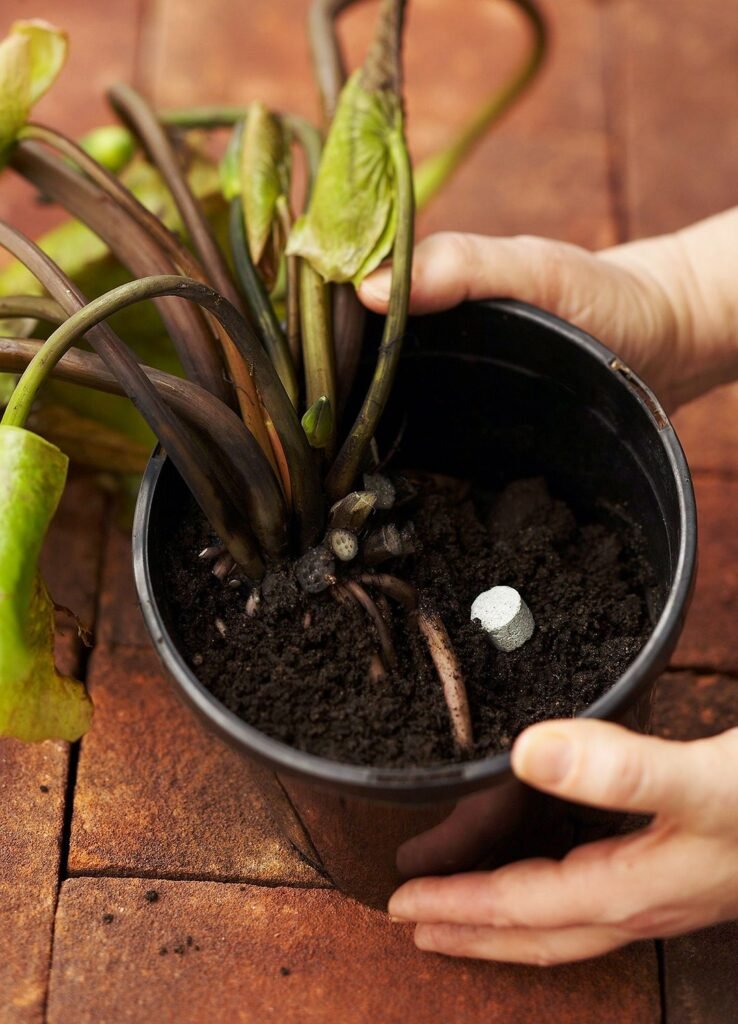
Plants require essential nutrients to carry out fundamental processes such as photosynthesis, root development, flowering, and fruiting. Nutrient deficiencies can stunt growth, reduce yields, weaken resistance to pests and diseases, and diminish the nutritional quality of edible plants. While macro-nutrients like nitrogen, phosphorus, and potassium are needed in larger amounts, micro-nutrients such as iron, magnesium, and calcium are equally critical in smaller quantities.
Organic, plant-based fertilizers, compost, and soil amendments can supply these nutrients naturally, supporting sustainable gardening practices without harmful chemicals.
Sign 1: Yellowing Leaves (Chlorosis)
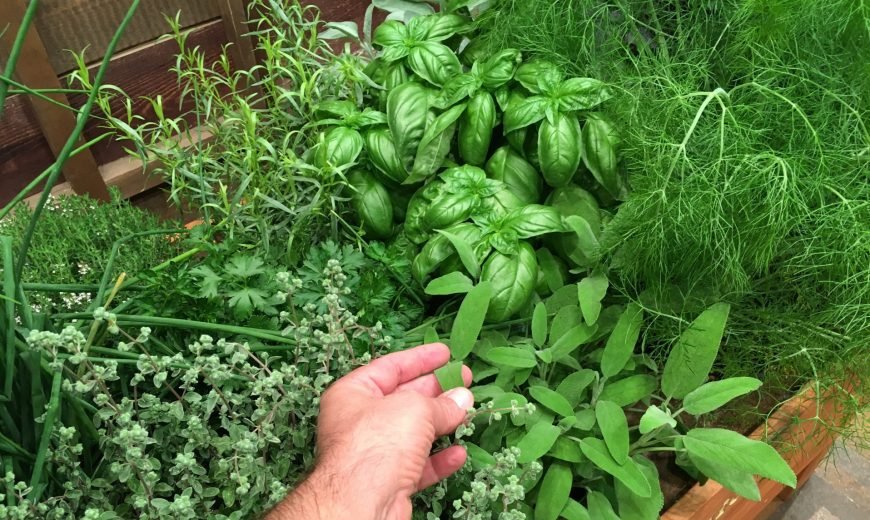
Yellow leaves, also known as chlorosis, are among the most common signs of nutrient deficiency. When plants cannot produce enough chlorophyll, leaves lose their vibrant green color.
Causes
- Nitrogen Deficiency: Older leaves turn yellow while newer growth remains green. Nitrogen is vital for leaf growth and photosynthesis.
- Iron Deficiency: New leaves turn yellow while veins remain green (interveinal chlorosis). Essential for chlorophyll formation.
- Magnesium Deficiency: Older leaves develop yellow patches between veins, often starting at the edges.
Solutions
- Apply nitrogen-rich organic fertilizers like compost, manure, or plant-based liquid fertilizers.
- Use iron chelates or iron-rich compost to correct iron deficiencies.
- Magnesium can be supplemented with crushed Epsom salts mixed into soil or water.
Additional Tips
- Test soil pH; nutrient uptake can be affected by acidic or alkaline soils.
- Monitor watering; overwatering can exacerbate chlorosis by reducing nutrient absorption.
Sign 2: Stunted Growth
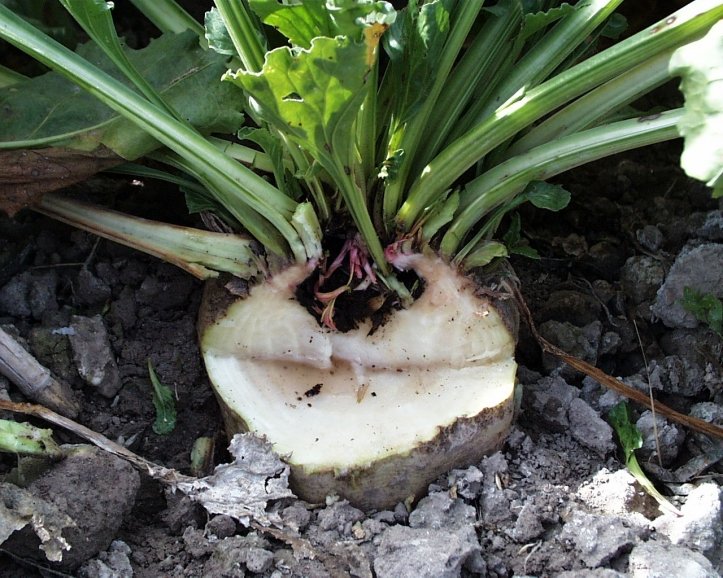
Plants that fail to grow or develop slowly may be lacking key nutrients essential for cell division and overall development.
Causes
- Phosphorus Deficiency: Slowed root development and reduced flowering. Phosphorus supports energy transfer and root growth.
- Nitrogen Deficiency: Leaves are small, and new shoots appear weak.
- Potassium Deficiency: Reduced vigor and poor fruiting.
Solutions
- Incorporate phosphorus-rich organic amendments such as bone meal, rock phosphate, or composted plant matter.
- Apply nitrogen-rich fertilizers for leafy vegetables and fast-growing herbs.
- Potassium can be supplied using kelp meal, wood ash, or banana peel compost.
Additional Tips
- Ensure containers are adequately deep for root development.
- Avoid overcrowding plants, which can limit nutrient access and reduce growth.
Sign 3: Leaf Curling or Distortion
Curling, twisting, or puckering of leaves is often a visual cue that a plant’s nutrient balance is disrupted.
Causes
- Calcium Deficiency: New leaves may curl or appear distorted. Calcium strengthens cell walls and supports structural integrity.
- Boron Deficiency: Leads to misshapen or brittle young leaves. Essential for cell growth and reproductive development.
- Potassium Deficiency: Leaf edges may curl or scorch.
Solutions
- Apply calcium-rich amendments such as crushed eggshells, gypsum, or calcium-based compost.
- Boron can be supplied with borax (used sparingly) or organic compost enriched with boron.
- Potassium can be replenished through kelp meal, wood ash, or banana peel mulch.
Additional Tips
- Inspect leaves regularly for early signs to prevent widespread plant stress.
- Maintain consistent soil moisture; nutrient deficiencies can be worsened by drought or water stress.
Sign 4: Leaf Spots, Necrosis, or Browning Edges
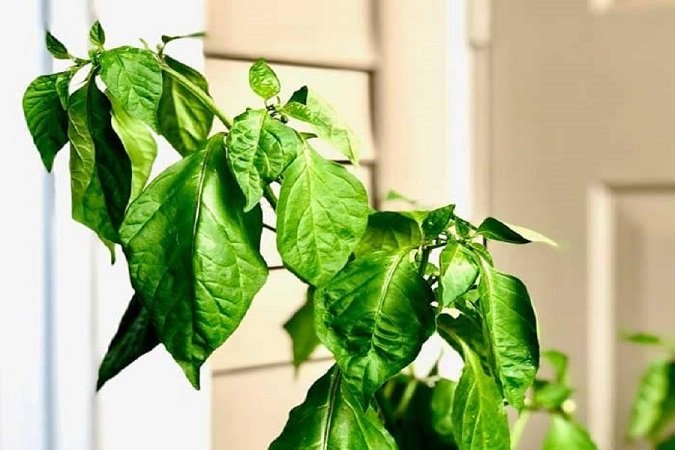
Dark spots, brown edges, or necrotic patches on leaves indicate nutrient imbalances or deficiencies affecting plant health.
Causes
- Potassium Deficiency: Leaf margins and tips turn brown, and plants may wilt.
- Phosphorus Deficiency: Older leaves develop dark spots and may show purplish tints.
- Magnesium Deficiency: Yellow patches with brown edges, especially on older leaves.
Solutions
- Potassium supplementation through organic sources like wood ash, banana peel compost, or kelp extract.
- Apply phosphorus-rich compost or rock phosphate to correct deficiencies.
- Magnesium can be supplemented with Epsom salts mixed into soil or foliar sprays.
Additional Tips
- Remove severely affected leaves to prevent energy loss.
- Rotate crops and amend soil regularly to maintain nutrient balance and prevent recurrence.
Sign 5: Poor Flowering or Fruit Development
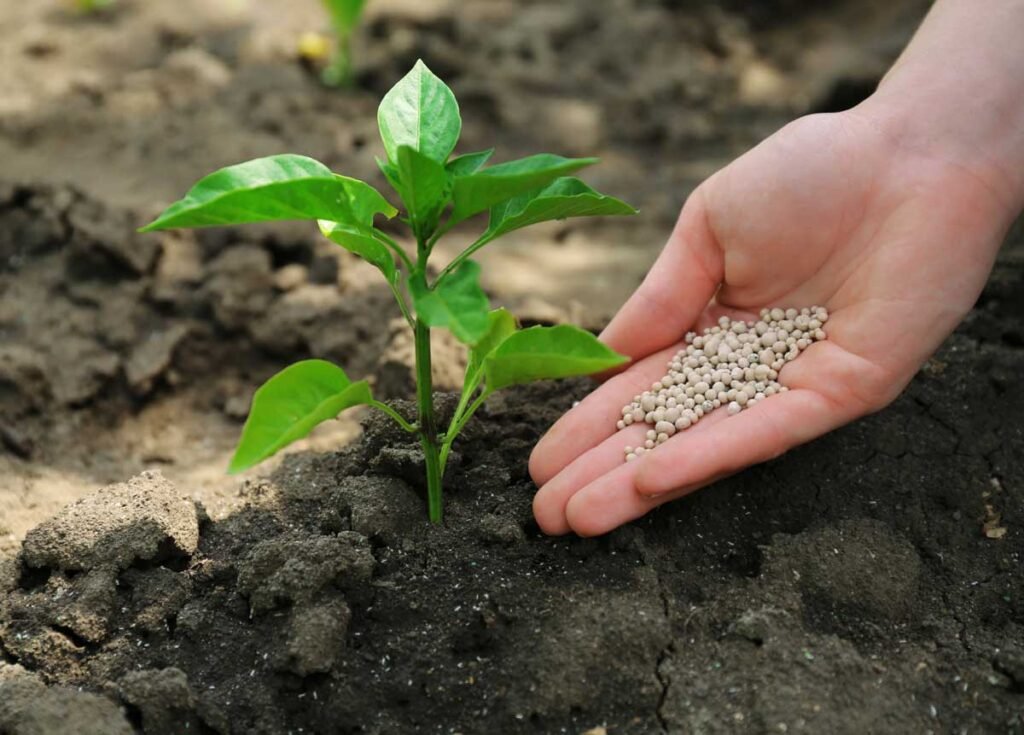
Plants producing few flowers, small fruits, or dropping buds may lack essential nutrients necessary for reproductive growth.
Causes
- Phosphorus Deficiency: Reduces flowering and fruiting.
- Calcium Deficiency: Causes blossom end rot in tomatoes, peppers, and squash.
- Potassium Deficiency: Weakens fruit development and reduces plant vigor.
Solutions
- Use phosphorus-rich amendments like bone meal or composted plant matter to promote flower and root development.
- Supply calcium with eggshells, gypsum, or calcium-rich compost.
- Potassium supplementation through organic sources like kelp meal or banana peels encourages healthy fruiting.
Additional Tips
- Maintain consistent watering and avoid stress during flowering and fruiting stages.
- Provide support structures for fruiting plants to prevent damage and nutrient stress.
Preventing Nutrient Deficiencies Naturally
- Use Organic Compost Regularly
- Improves soil structure and provides a slow-release nutrient source.
- Supports beneficial microbes that enhance nutrient availability.
- Rotate Crops and Diversify Planting
- Prevents depletion of specific nutrients in the soil.
- Enhances soil fertility and reduces pest and disease buildup.
- Mulching
- Conserves soil moisture, suppresses weeds, and slowly adds nutrients as organic mulch decomposes.
- Liquid Organic Fertilizers
- Compost tea, seaweed extract, or plant-based liquid fertilizers provide quick nutrient absorption.
- Ideal for container gardening and indoor plants.
- Regular Soil Testing
- Test pH and nutrient content to identify deficiencies early.
- Adjust soil amendments based on test results for balanced nutrition.
Benefits of Maintaining Healthy Nutrient Levels
- Vibrant Plant Growth: Strong stems, bright leaves, and lush foliage.
- Higher Yields: Increased quantity and quality of vegetables and herbs.
- Resistance to Pests and Diseases: Well-nourished plants are more resilient.
- Improved Taste and Nutrition: Adequately fed vegetables and herbs retain flavor and nutrient content.
- Sustainable Gardening: Encourages plant-based, chemical-free approaches that benefit soil health and biodiversity.
Conclusion
Recognizing the signs of nutrient deficiencies is crucial for maintaining a healthy, productive garden. Yellowing leaves, stunted growth, leaf curling, necrosis, and poor flowering are all indicators that plants may need extra nutrients. By using plant-based fertilizers, compost, organic amendments, and soil management techniques, gardeners can restore balance naturally without relying on chemical inputs.
Preventive practices such as crop rotation, companion planting, mulching, and regular soil testing further support nutrient availability and overall plant health. Proper nutrition ensures vibrant, resilient plants that produce high-quality vegetables, herbs, and fruits, contributing to sustainable, chemical-free, and healthy plant-based meals. With careful observation and natural supplementation, gardeners can achieve flourishing gardens that provide fresh, nutritious produce throughout the year.