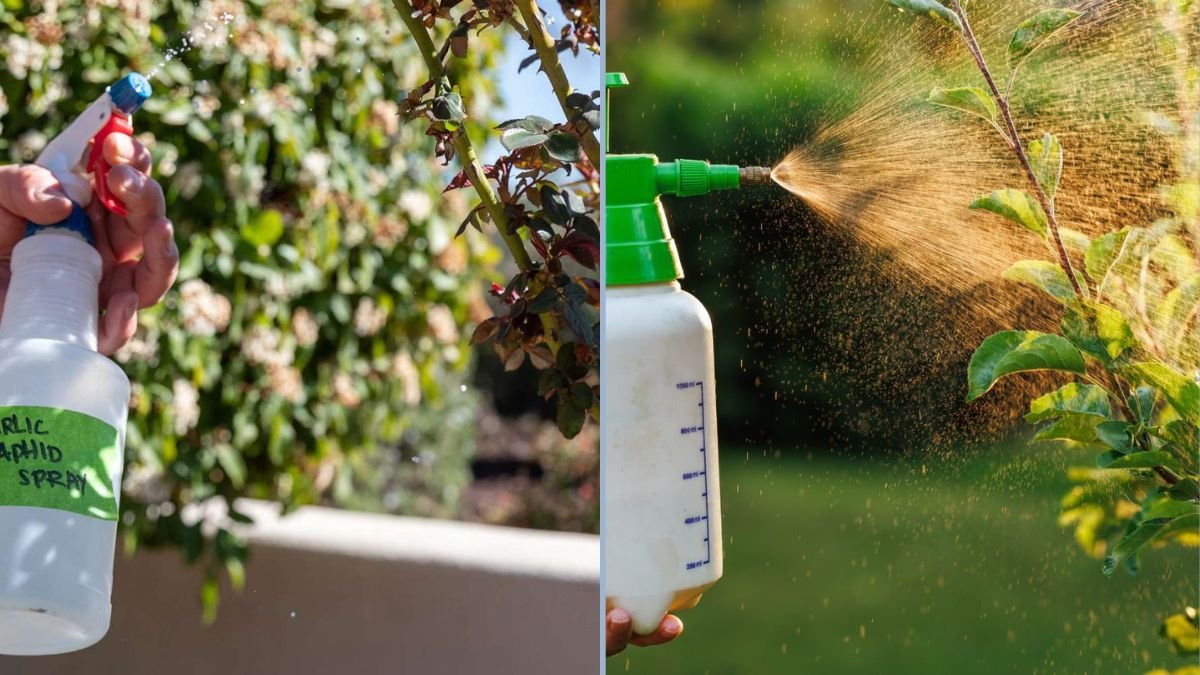
Maintaining a healthy garden requires a delicate balance between nourishing plants and protecting them from pests and diseases. Many gardeners are turning to organic sprays as an environmentally friendly alternative to chemical pesticides and synthetic fertilizers. Organic sprays are derived from plant-based ingredients, minerals, or beneficial microbes, providing natural protection while promoting plant growth. This article explores various types of organic sprays, their benefits, preparation methods, and application techniques to keep gardens thriving without the use of chemicals.
Why Use Organic Sprays in the Garden?
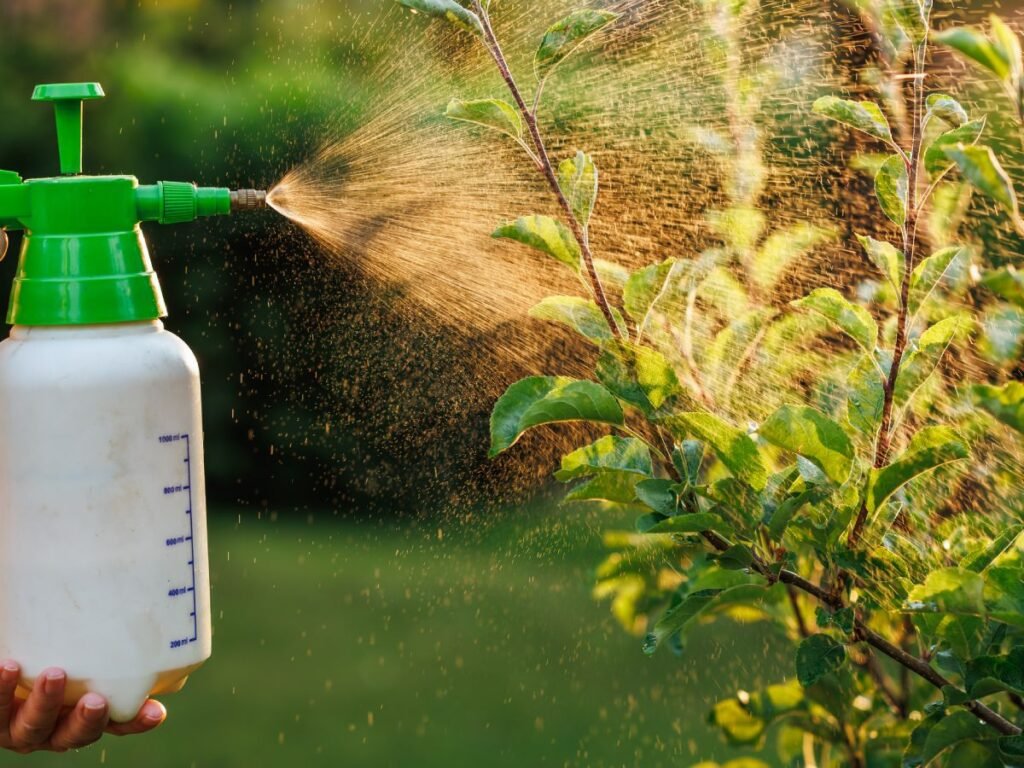
Organic sprays offer several advantages over conventional chemical treatments:
- Healthier Produce: Avoids chemical residues on fruits, vegetables, and herbs.
- Environmental Protection: Reduces soil and water contamination and supports biodiversity.
- Pollinator-Friendly: Protects bees, butterflies, and other beneficial insects.
- Sustainable Gardening: Promotes long-term soil fertility and ecological balance.
- Cost-Effective: Many organic sprays can be prepared at home using readily available ingredients.
Using organic sprays aligns with plant-based gardening practices, ensuring that crops are safe for consumption while maintaining a balanced garden ecosystem.
Types of Organic Sprays
Organic sprays generally fall into three categories: insecticidal, fungicidal, and nutrient-based sprays. Each type addresses specific garden needs while being safe for plants, soil, and beneficial organisms.
1. Insecticidal Organic Sprays
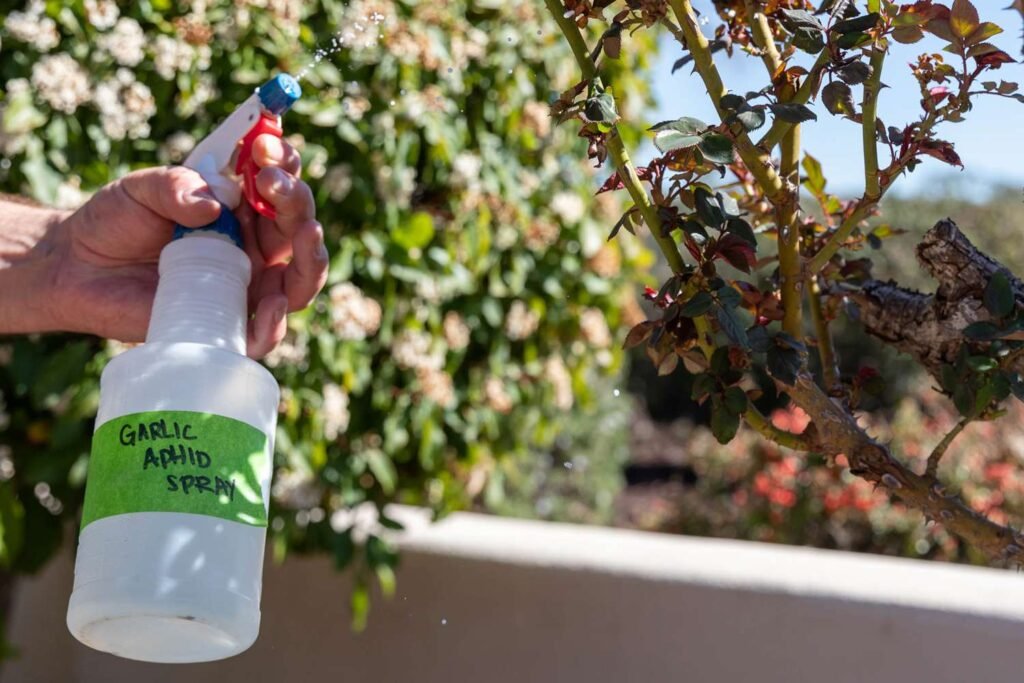
These sprays target harmful insects without harming beneficial species. They are ideal for controlling pests like aphids, whiteflies, caterpillars, and mites.
a. Neem Oil Spray
- Derived from the seeds of the neem tree, neem oil is a versatile organic insecticide.
- Disrupts the life cycle of pests by preventing feeding and reproduction.
- Preparation: Mix 2 tablespoons of neem oil with 1 liter of water and a few drops of mild soap. Spray on leaves weekly or when pests appear.
b. Garlic and Chili Spray
- Repels insects with strong natural compounds.
- Preparation: Crush 5–6 garlic cloves and 2 chili peppers, soak in 1 liter of water for 24 hours, strain, and spray on foliage.
- Effective against aphids, beetles, and caterpillars.
c. Soap Spray
- Mild liquid soap disrupts the cell membranes of soft-bodied insects like aphids and whiteflies.
- Preparation: Mix 1–2 teaspoons of mild soap with 1 liter of water and spray on affected leaves.
- Avoid overuse, which can cause leaf damage.
2. Fungicidal Organic Sprays
Fungal diseases like blight, powdery mildew, and rust can devastate crops. Organic fungicidal sprays prevent and control these issues naturally.
a. Baking Soda Spray
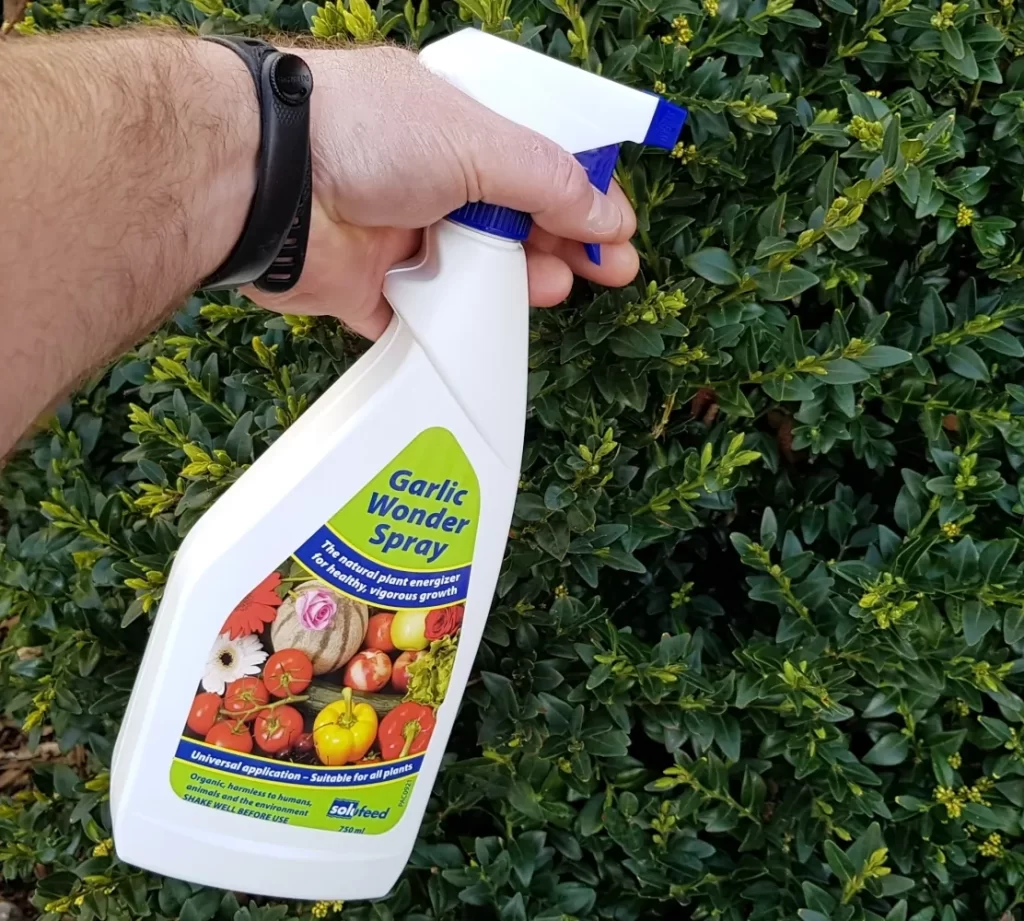
- Creates an alkaline environment on leaves that inhibits fungal growth.
- Preparation: Mix 1 tablespoon of baking soda with 1 liter of water and add a few drops of mild soap. Spray on foliage weekly or after rainfall.
b. Chamomile Tea Spray
- Chamomile contains antifungal compounds that strengthen plant immunity.
- Preparation: Brew chamomile tea, allow it to cool, and spray directly on leaves.
- Effective for seedlings and young plants susceptible to damping-off disease.
c. Milk Spray
- Milk contains proteins that act as natural fungicides, particularly against powdery mildew.
- Preparation: Dilute milk with water in a 1:2 ratio and spray on affected areas every 7–10 days.
3. Nutrient-Based Organic Sprays
Foliar feeding with nutrient-based sprays can correct deficiencies, strengthen plants, and improve yields.
a. Seaweed Extract Spray

- Rich in potassium, trace minerals, and natural growth hormones.
- Enhances root development, flowering, and fruiting.
- Preparation: Dilute liquid seaweed extract according to package instructions and spray on leaves every 2–3 weeks.
b. Compost Tea Spray
- Provides beneficial microbes and nutrients that boost plant immunity and soil health.
- Preparation: Soak mature compost in water for 24–48 hours, strain, and spray on foliage and soil.
c. Epsom Salt Spray
- Supplies magnesium and sulfur, essential for photosynthesis and leaf development.
- Preparation: Dissolve 1 tablespoon of Epsom salt in 1 liter of water and spray on leaves every 2–3 weeks.
How to Apply Organic Sprays Effectively
Proper application is key to maximizing the effectiveness of organic sprays:
- Timing
- Apply in early morning or late evening to prevent leaf burn and reduce evaporation.
- Avoid spraying during rainy conditions, as it can wash away the treatment.
- Coverage
- Spray evenly on both sides of leaves, stems, and flowers where pests or fungi may hide.
- Repeat application as needed, following recommended intervals.
- Concentration
- Avoid over-concentrating sprays; high concentrations can harm plants.
- Always test on a small area before full application.
- Equipment
- Use clean spray bottles or garden sprayers.
- Rinse equipment after use to prevent residue buildup.
Preventive Measures Alongside Organic Sprays
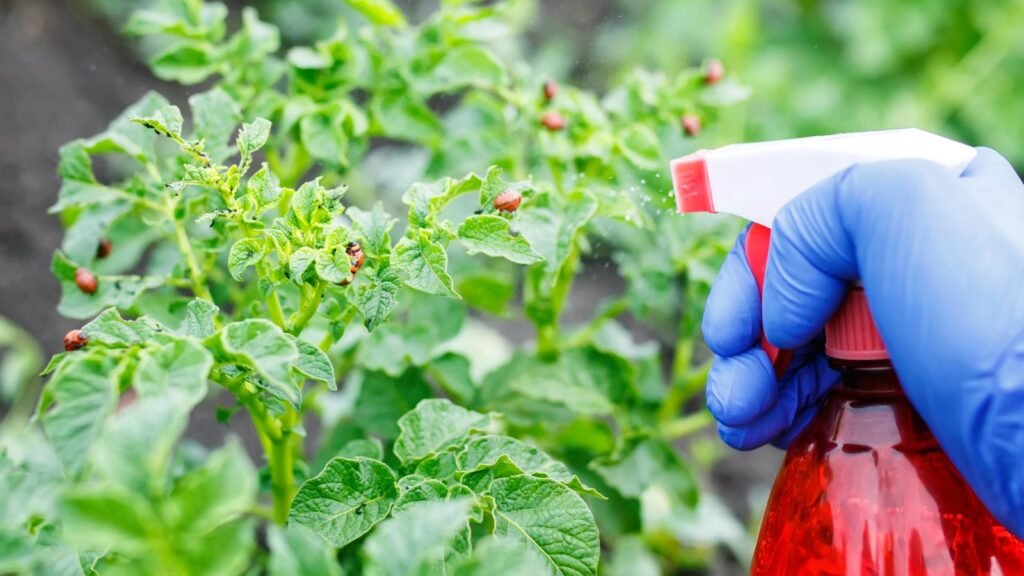
While organic sprays are highly effective, combining them with preventive practices enhances plant health and reduces the need for repeated treatments:
- Crop Rotation
- Rotating crops each season prevents buildup of pathogens and nutrient depletion.
- Companion Planting
- Plant herbs and flowers like basil, marigold, or borage to naturally repel pests and attract beneficial insects.
- Proper Spacing and Pruning
- Ensure adequate air circulation to reduce humidity and fungal growth.
- Prune damaged leaves and overcrowded areas to strengthen plant immunity.
- Mulching
- Organic mulch suppresses weeds, retains soil moisture, and prevents fungal spores from splashing onto plants.
- Soil Health
- Regularly amend soil with compost and plant-based fertilizers to provide a balanced nutrient supply.
- Healthy soil supports robust plant growth, reducing susceptibility to pests and diseases.
Benefits of Using Organic Sprays
- Safer Produce: Chemical-free vegetables and fruits are healthier for consumption.
- Environmental Sustainability: Protects soil, water, and local ecosystems.
- Pollinator Protection: Preserves bees, butterflies, and other beneficial insects.
- Long-Term Soil Health: Encourages microbial diversity and nutrient cycling.
- Cost-Effective: Many sprays can be made from household or garden ingredients.
- Versatility: Effective against a wide range of pests and diseases while supporting plant nutrition.
Conclusion
Organic sprays are a powerful tool for gardeners seeking chemical-free, sustainable solutions for healthy plant growth. Insecticidal sprays like neem oil, garlic, and soap control harmful pests without affecting beneficial species. Fungicidal sprays, including baking soda, chamomile, and milk, prevent fungal diseases naturally. Nutrient-based sprays like seaweed extract, compost tea, and Epsom salt enhance plant vitality and yields.
When combined with preventive measures such as crop rotation, companion planting, pruning, and mulching, organic sprays help maintain a balanced, thriving garden ecosystem. By adopting plant-based, eco-friendly sprays, gardeners can protect their crops, improve soil health, and enjoy abundant, nutritious, and safe produce year-round.
Organic sprays not only safeguard plants but also promote sustainable gardening practices that benefit the environment, support pollinators, and ensure healthier meals. With careful observation, regular maintenance, and natural remedies, any garden—whether small or expansive—can flourish without relying on chemical interventions.