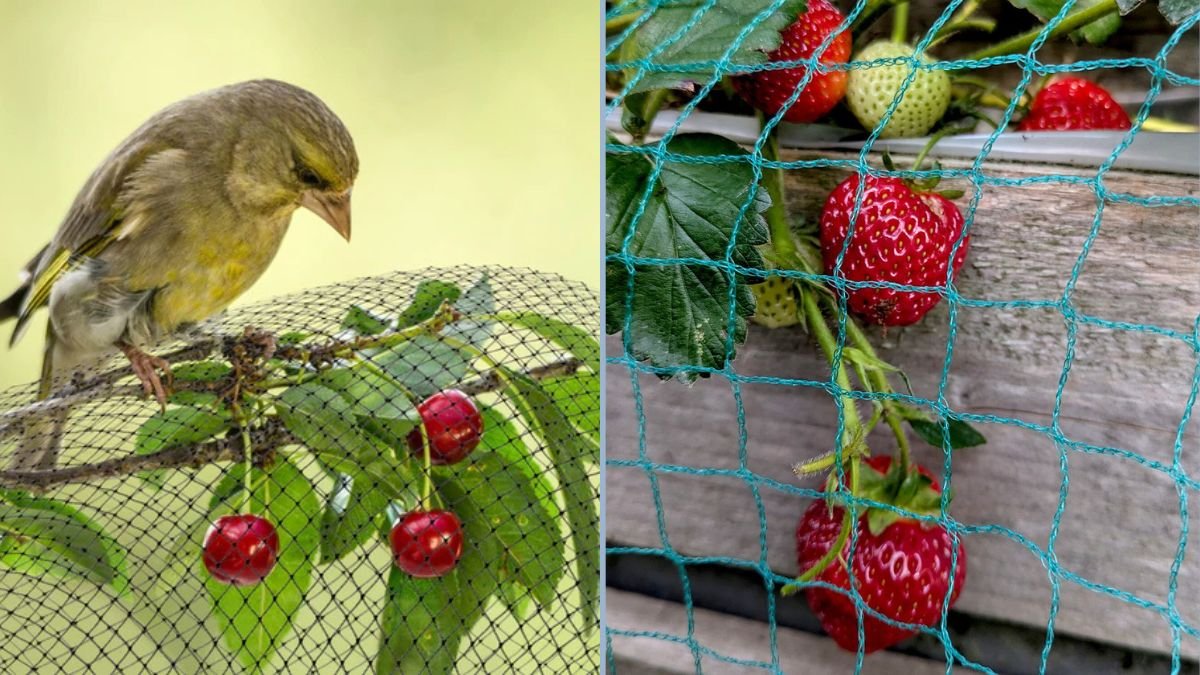
Fruit-bearing plants are a valuable addition to any home garden, providing fresh, nutritious, and flavorful produce. However, one of the biggest challenges gardeners face is protecting fruits from birds. Birds can quickly strip branches bare, damaging crops and reducing yields. While netting is a common solution, it can be cumbersome, visually unappealing, and sometimes harmful to birds. Fortunately, there are numerous effective, natural strategies for deterring birds without using netting. This article explores practical, eco-friendly methods to protect fruits while maintaining a safe, harmonious garden environment.
Why Protecting Fruits Matters
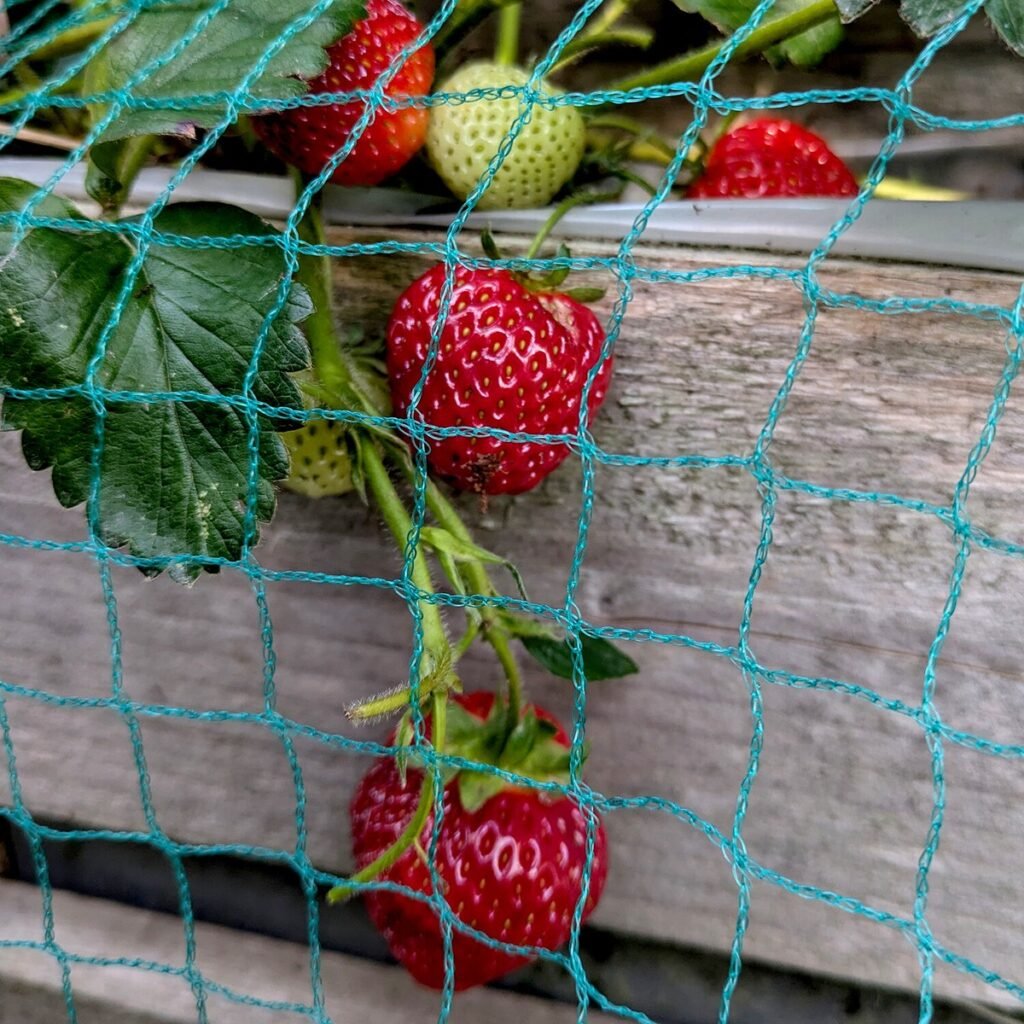
Birds play an essential role in ecosystems as pollinators and seed dispersers, but in gardens, they can cause significant crop loss. Protecting fruits ensures:
- Maximized Yield: Preventing bird damage preserves the quantity of harvestable fruits.
- Fruit Quality: Avoids peck marks, bruising, or spoilage caused by birds.
- Economic Benefits: For gardeners growing fruits for sale, crop protection directly impacts income.
- Sustainable Gardening: Using natural deterrents avoids harmful chemicals or hazards to wildlife.
The goal is to find humane, non-invasive methods that allow both birds and gardeners to coexist peacefully.
Understanding Bird Behavior
Effective bird deterrents rely on understanding bird behavior:
- Birds are attracted to bright colors, sweet scents, and easy access to food.
- They are visual learners; sudden movements or novel objects can create fear.
- Many species are territorial and will avoid areas perceived as dangerous.
By leveraging these behavioral traits, gardeners can protect fruits naturally.
Signs Birds Are Targeting Fruits
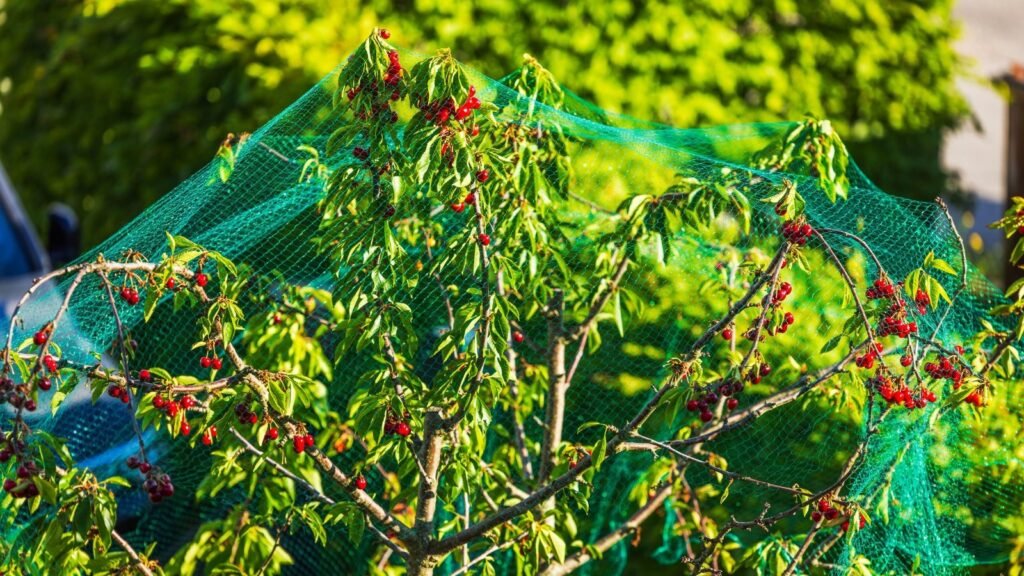
Early identification helps implement deterrents before significant damage occurs:
- Peck Marks: Small holes or scratches on the fruit surface.
- Partially Eaten Fruits: Only part of the fruit is consumed, leaving remnants on branches or the ground.
- Presence of Bird Droppings: Frequent bird activity leaves droppings near fruit clusters.
- Nest Sites Nearby: Birds nesting close to fruit trees may spend more time feeding on nearby produce.
- Missing Fruits: Sudden reduction in fruit quantity, often noticed in the early morning.
Recognizing these signs early allows gardeners to act promptly using humane methods.
Humane Strategies to Protect Fruits Without Netting
1. Visual Deterrents
Birds are highly visual, so objects that move, shimmer, or resemble predators can discourage them:
- Reflective Surfaces: Hang aluminum foil strips, CDs, or reflective tape near fruit clusters. The glinting light confuses and scares birds.
- Scare Objects: Place realistic predator decoys such as plastic owls or hawks in the garden. Move them regularly to maintain effectiveness.
- Shiny Balloons or Mylar Objects: The movement and reflection of light deter birds without causing harm.
2. Noise Deterrents
Sound can be an effective way to keep birds away:
- Wind Chimes: Gentle, unpredictable sounds make birds cautious.
- Ultrasonic Devices: Devices emit high-frequency sounds inaudible to humans but disturbing to birds.
- Clapping or Motion-Activated Sounds: Human presence or sudden noises can temporarily discourage feeding.
Noise deterrents work best when combined with visual deterrents for maximum effectiveness.
3. Physical Barriers That Are Not Netting
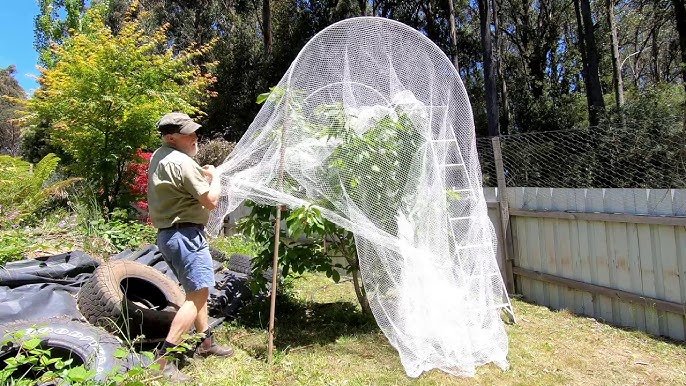
Without netting, gardeners can still create obstacles that make fruit less accessible:
- Tree Guards: Use lightweight collars or wraps around tree trunks to prevent climbing birds from reaching fruits.
- Individual Fruit Covers: Place small paper bags, breathable cloth bags, or mesh pouches over fruits. This protects each fruit without obstructing sunlight or airflow.
- Pruning: Trim lower branches to reduce easy access points for birds, making it harder for them to reach fruits.
4. Taste and Scent Deterrents
Birds avoid foods that taste or smell unpleasant. Organic sprays can provide natural protection:
- Spicy Pepper Spray: Mix hot peppers with water and a few drops of soap; spray on fruit surfaces. Birds dislike the taste, but humans can wash the fruit before consumption.
- Garlic or Onion Sprays: Strong odors deter birds while being harmless to plants and humans.
- Herb Planting: Grow aromatic herbs like rosemary, thyme, or lavender near fruit trees. Their scent can reduce bird activity naturally.
5. Companion Planting
Strategic planting can divert birds’ attention or create natural barriers:
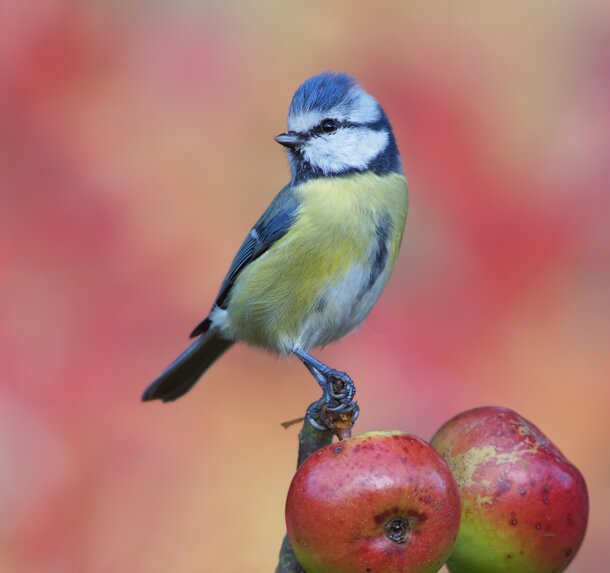
- Sacrificial Crops: Plant fast-maturing, bird-attractive plants such as sunflowers or berries at a distance from main fruit crops. Birds will feed there instead.
- Dense Shrubs: Surround fruit trees with dense, thorny, or aromatic shrubs. These act as barriers while providing shelter for beneficial insects.
- Layered Planting: Plant taller companion plants that obscure the view of fruit clusters, making them less accessible.
6. Timing and Maintenance
Good garden practices can reduce bird damage:
- Harvest Early: Pick fruits as soon as they ripen to minimize exposure.
- Prune Strategically: Remove overhanging branches that provide easy landing spots for birds.
- Regular Monitoring: Check plants daily during ripening seasons and implement deterrents immediately.
- Rotate Deterrents: Change the position of decoys, reflective tape, or other scare devices to prevent birds from adapting.
Benefits of Protecting Fruits Naturally
- Humane: Birds are not harmed while crops remain protected.
- Chemical-Free: Reduces reliance on harmful pesticides or sprays.
- Sustainable: Supports balanced garden ecosystems and local biodiversity.
- Cost-Effective: Many deterrents are reusable or homemade using household materials.
- Enhanced Garden Health: Companion planting and habitat management benefit soil, pollinators, and other beneficial species.
Integrating Multiple Methods for Maximum Protection
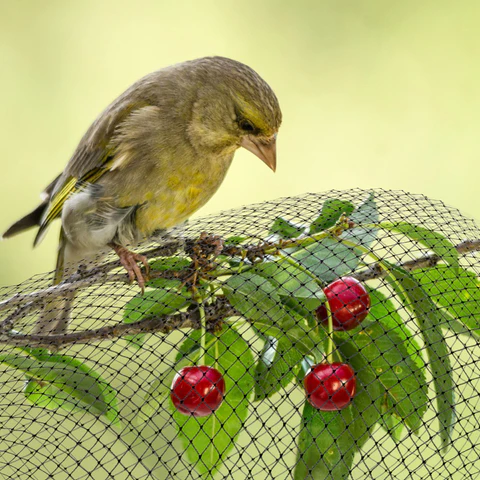
For best results, combine several techniques:
- Use reflective surfaces and decoys (visual) alongside garlic or pepper sprays (taste deterrent).
- Plant sacrificial crops while also covering high-value fruits with paper bags.
- Rotate scare devices and monitor bird activity regularly to prevent habituation.
This integrated approach creates a dynamic, multi-layered defense system that reduces crop loss without netting.
Conclusion
Protecting fruits from birds without netting is both feasible and environmentally responsible. By understanding bird behavior and employing a combination of visual deterrents, noise devices, physical barriers, taste-based sprays, and companion planting, gardeners can safeguard their fruits effectively and humanely. Early detection of bird activity and proactive measures maximize yields, preserve fruit quality, and support sustainable, chemical-free gardening.
Natural fruit protection methods not only benefit gardeners but also maintain local bird populations and overall ecosystem health. With creativity, observation, and persistence, any gardener can enjoy abundant, unspoiled fruit harvests while fostering a harmonious coexistence with wildlife.