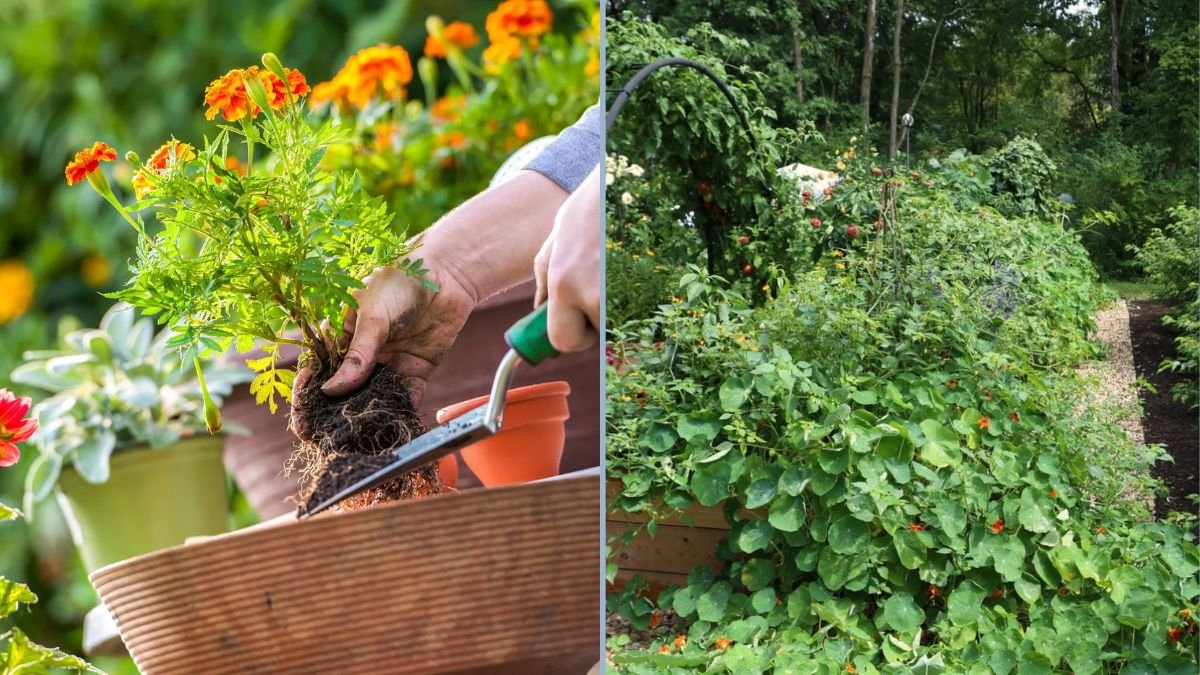
Gardening is a rewarding way to cultivate fresh, nutritious produce, but pests are an inevitable challenge that can reduce yield and damage crops. While chemical pesticides can offer a quick solution, they often harm the environment, beneficial insects, and soil health. Companion planting, a time-honored gardening strategy, provides a natural and sustainable method for pest control. By growing specific plants together, gardeners can deter pests, attract beneficial insects, and improve crop health. This article explores the principles, benefits, and practical applications of companion planting for natural pest control.
Understanding Companion Planting
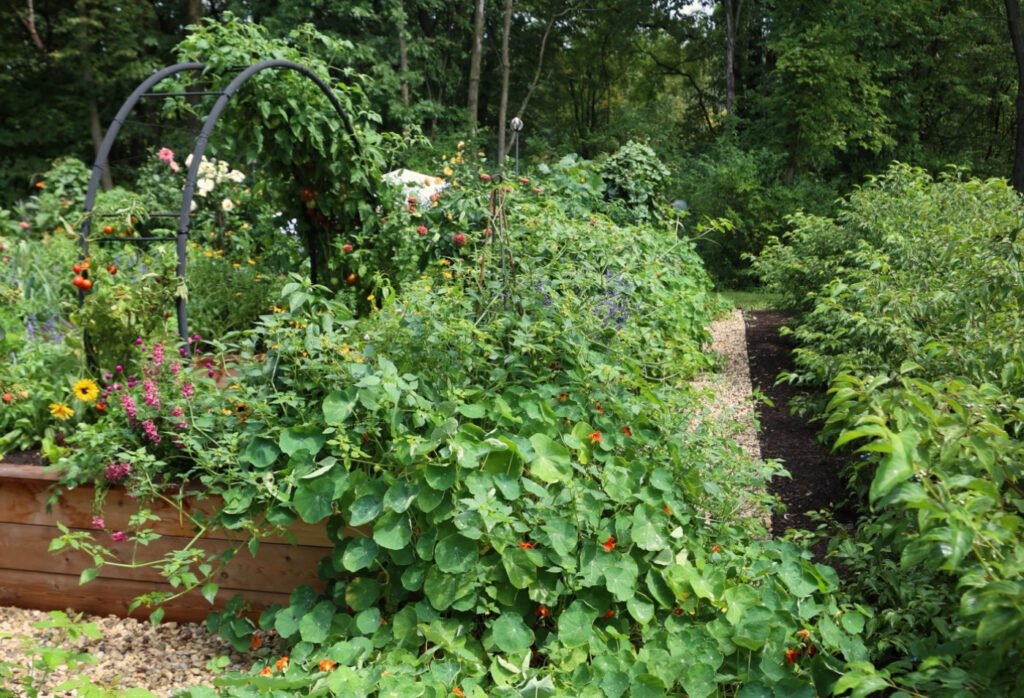
Companion planting is the practice of growing different plant species in close proximity to enhance growth, protect crops, and optimize garden space. This technique leverages the natural interactions between plants, such as:
- Chemical Defense: Some plants produce natural compounds that repel pests or mask the scent of nearby crops.
- Attracting Beneficial Insects: Certain flowers and herbs attract predatory insects that feed on pests.
- Physical Barriers: Dense or spiny plants can shield sensitive crops from pests.
- Improved Microclimate: Taller or broader plants provide shade or support, reducing stress on neighboring crops.
By carefully planning plant combinations, gardeners can reduce pest infestations without chemical interventions.
Benefits of Companion Planting for Pest Control
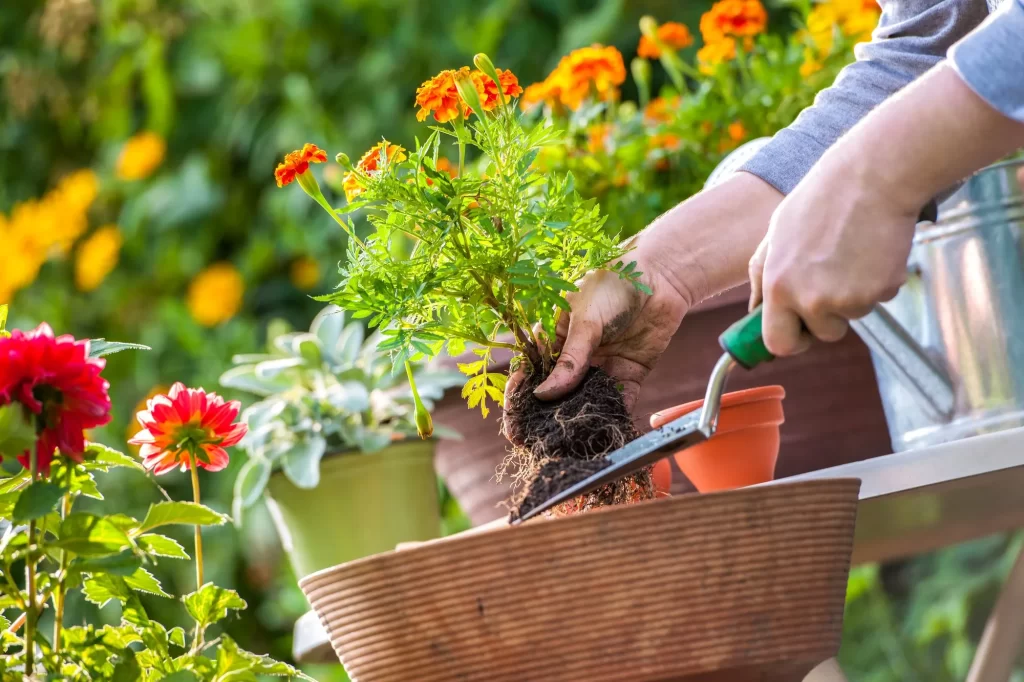
- Chemical-Free Protection: Reduces or eliminates the need for pesticides.
- Encourages Biodiversity: Supports pollinators and beneficial predatory insects.
- Enhanced Crop Health: Healthy plants are more resistant to pests and diseases.
- Optimized Space: Efficient use of garden space through vertical and layered planting.
- Cost-Effective: Uses natural plant properties instead of purchased chemicals.
- Sustainable Gardening: Promotes long-term soil fertility and ecosystem balance.
Companion planting integrates pest control with overall garden health, offering multiple ecological benefits.
Common Vegetable Pests Targeted by Companion Planting

Companion planting is particularly effective against several common garden pests, including:
- Aphids: Small insects that suck sap from plants.
- Caterpillars: Larvae that chew leaves and stems.
- Whiteflies: Tiny winged insects that feed on sap and spread diseases.
- Slugs and Snails: Mollusks that consume leafy greens.
- Spider Mites: Tiny arachnids that damage leaves and stunt growth.
By attracting natural predators or masking the scent of crops, companion plants reduce pest activity and protect vulnerable vegetables.
Effective Companion Planting Combinations
Below are examples of plant combinations that naturally reduce pests:
1. Tomatoes
- Basil: Repels aphids, whiteflies, and tomato hornworms; improves tomato flavor.
- Marigolds: Deter nematodes and attract predatory insects.
- Onions and Garlic: Repel aphids and other sap-sucking pests.
2. Cucumbers
- Radishes: Deter cucumber beetles.
- Nasturtiums: Attract aphids away from cucumbers and deter beetles.
- Dill and Fennel: Attract predatory wasps and lacewings.
3. Leafy Greens (Lettuce, Spinach, Kale)
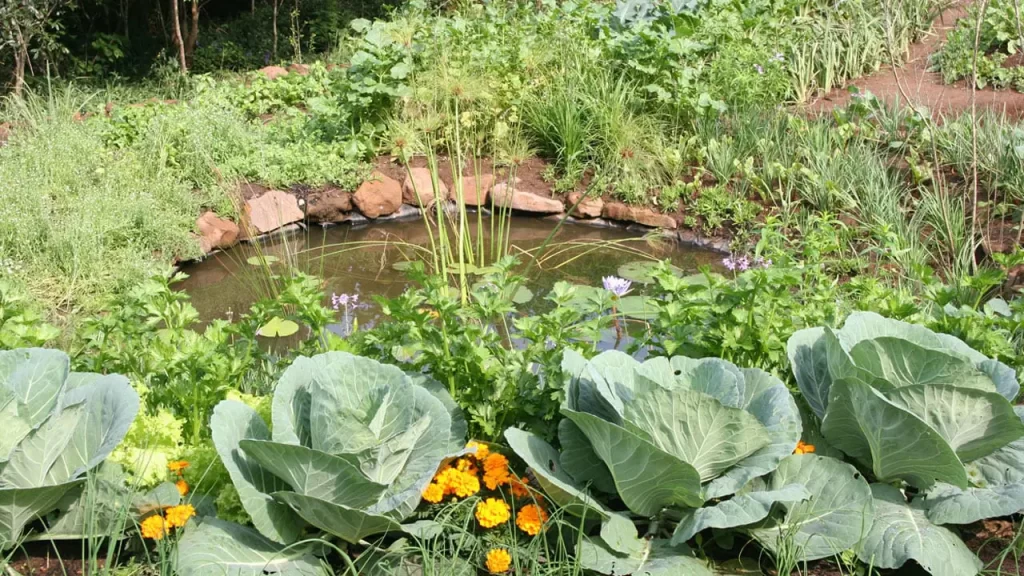
- Chives and Garlic: Repel aphids and slugs.
- Marigolds: Reduce nematode and pest activity.
- Thyme and Rosemary: Deter caterpillars and moths.
4. Beans and Peas
- Carrots: Improve soil aeration and attract beneficial insects.
- Nasturtiums: Act as trap crops for aphids.
- Corn: Provides vertical support and partial shading to reduce stress on beans.
5. Carrots
- Onions and Leeks: Repel carrot flies with strong odors.
- Radishes: Act as trap crops for carrot pests.
- Rosemary and Sage: Deter carrot beetles and other insects.
Flowers and Herbs for Natural Pest Control
In addition to crop companions, flowers and herbs enhance pest management:
- Marigolds: Deter nematodes, aphids, and whiteflies.
- Calendula: Attracts predatory insects that feed on aphids and caterpillars.
- Borage: Attracts pollinators and deters tomato hornworms.
- Lavender: Repels moths, fleas, and certain beetles.
- Yarrow: Attracts ladybugs, lacewings, and parasitic wasps.
Planting flowers and herbs alongside vegetables creates a diverse ecosystem that naturally regulates pest populations.
Implementing Companion Planting in Your Garden

1. Plan Your Layout
- Map your garden to place compatible plants together.
- Consider plant height, sunlight requirements, and spacing to maximize effectiveness.
- Rotate crops each season to prevent pest buildup and maintain soil health.
2. Use Trap Crops
- Plant sacrificial crops that attract pests away from main vegetables.
- Examples: Nasturtiums for aphids, radishes for cucumber beetles, or mustard for flea beetles.
3. Encourage Beneficial Insects
- Include flowers like marigolds, yarrow, and dill to attract ladybugs, lacewings, and parasitic wasps.
- Beneficial insects feed on pests, reducing the need for chemical interventions.
4. Maintain Garden Hygiene
- Remove diseased leaves and plant debris to prevent pest infestations.
- Monitor plants regularly for early signs of damage.
- Use mulch and proper watering techniques to create a healthy growing environment.
Additional Tips for Success
- Rotate Crops: Prevents pest buildup in the soil.
- Diverse Planting: Mix herbs, flowers, and vegetables to create a resilient ecosystem.
- Avoid Monocultures: Single-crop planting increases vulnerability to pests.
- Natural Sprays: Use neem oil, garlic, or chili sprays as needed, complementing companion planting.
- Vertical Gardening: Utilize trellises and supports to optimize space and airflow, reducing pest habitats.
Benefits of Natural Pest Control Through Companion Planting
- Chemical-Free Produce: Safe, nutritious, and flavorful vegetables.
- Pollinator Support: Flowers attract bees and butterflies, enhancing pollination.
- Sustainable Practices: Promotes biodiversity and long-term soil health.
- Reduced Costs: Minimizes reliance on chemical pesticides.
- Enhanced Plant Growth: Healthy plant communities are more resilient to stress and disease.
Companion planting integrates pest control with overall garden management, providing both protection and ecological benefits.
Conclusion
Companion planting is a powerful, natural strategy for controlling pests in vegetable gardens. By strategically combining vegetables, herbs, and flowers, gardeners can deter pests, attract beneficial insects, and improve crop health without relying on chemical interventions. Using trap crops, rotational planting, and diverse planting layouts enhances pest resistance while promoting biodiversity and soil health.
Adopting companion planting not only safeguards crops but also supports sustainable gardening practices, chemical-free produce, and a balanced garden ecosystem. With careful planning, observation, and integration of plant-based methods, gardeners can enjoy abundant, healthy harvests while naturally managing pests.