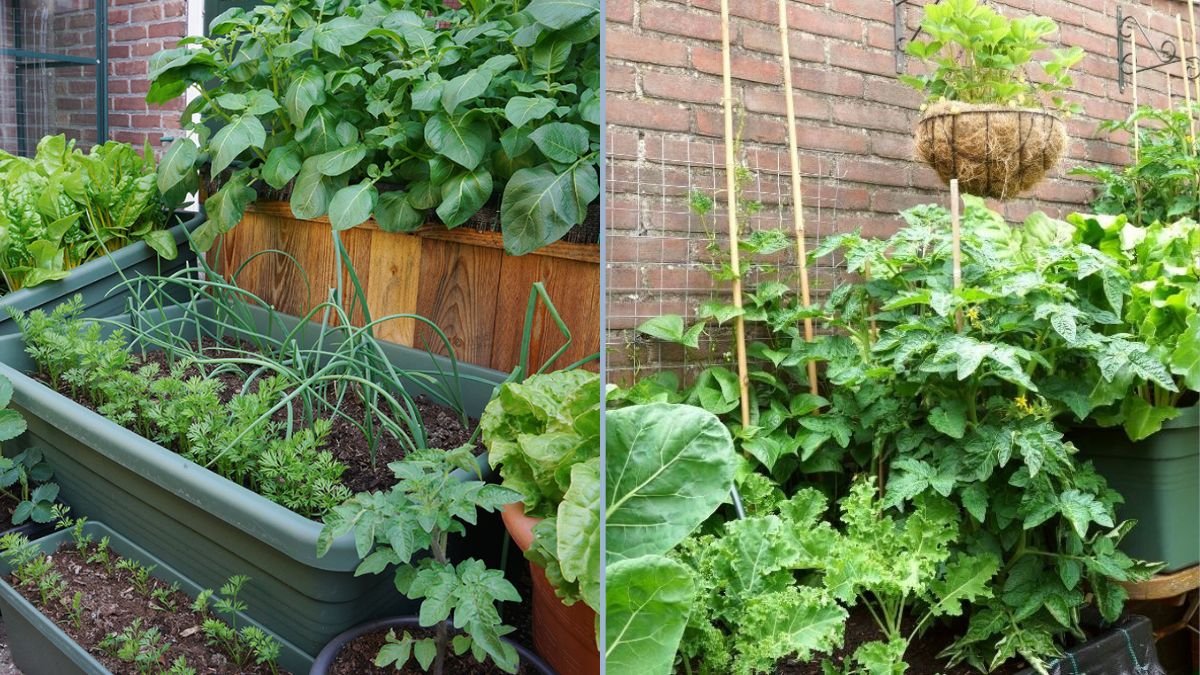
Urbanization and limited land availability have led many gardeners to explore small-space cultivation methods. Despite spatial constraints, it is possible to grow vegetables year-round, ensuring fresh, nutritious produce for the household. Small-space gardening—through containers, vertical systems, raised beds, and indoor setups—offers numerous advantages, including better control over soil, water, and sunlight, and reduced pest pressure. This article explores practical strategies, crop selection, and sustainable practices for successfully growing vegetables throughout the year in limited spaces.
Understanding Small-Space Gardening
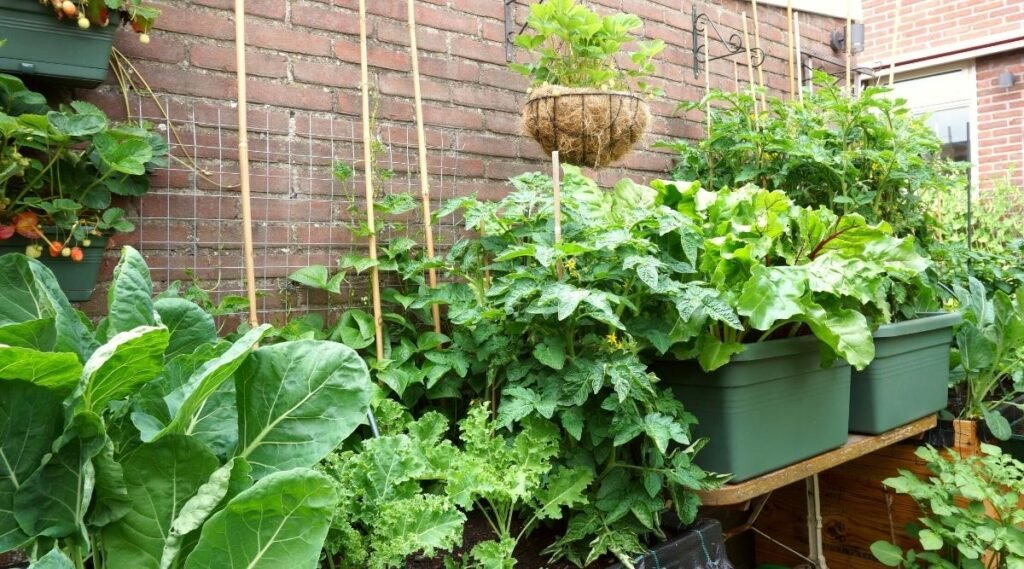
Small-space gardening focuses on maximizing productivity while minimizing the area required. It employs innovative techniques such as:
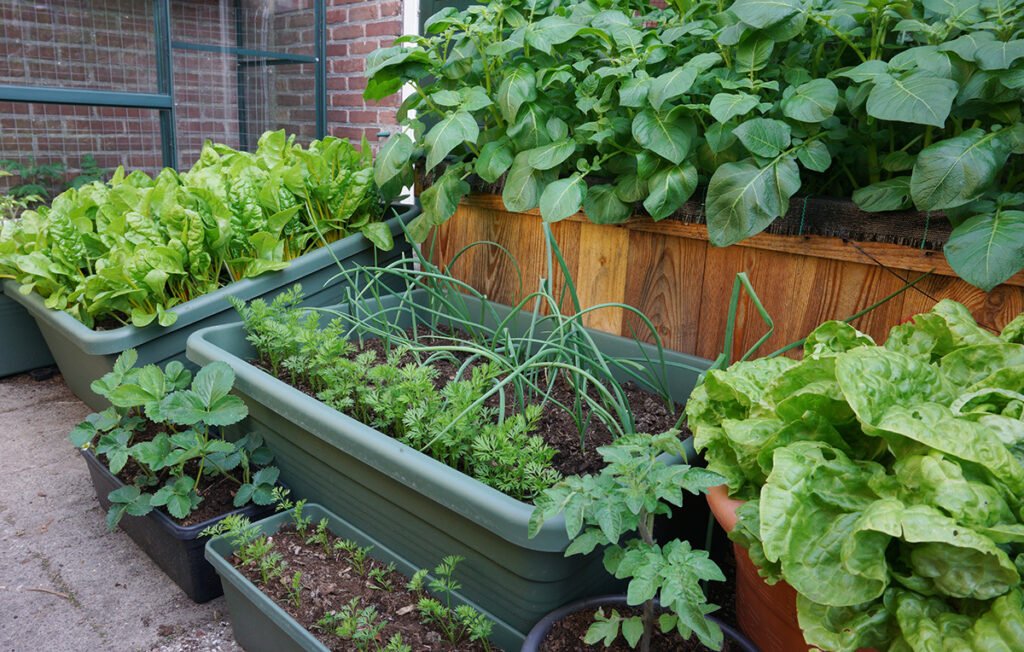
- Container Gardening: Growing plants in pots, troughs, or buckets.
- Vertical Gardening: Using walls, trellises, or hanging systems to increase growing area.
- Raised Beds: Elevating soil to improve drainage, fertility, and accessibility.
- Indoor Gardening: Using windowsills, shelves, or grow lights for year-round cultivation.
These methods allow gardeners to utilize space efficiently, even in apartments or small urban plots.
Advantages of Year-Round Vegetable Gardening
- Consistent Supply: Fresh vegetables are available throughout the year, improving diet quality.
- Space Optimization: Limited areas are used efficiently with vertical and container systems.
- Pest and Disease Management: Small-scale setups reduce the risk of widespread infestations.
- Water and Nutrient Control: Containers and raised beds allow precise irrigation and fertilization.
- Urban Sustainability: Reduces dependence on market produce and promotes eco-friendly practices.
Growing vegetables year-round requires careful crop selection, environmental control, and planning for seasonal changes.
Selecting Vegetables for Small Spaces
Choosing crops suitable for containers and small spaces ensures maximum yield:
- Leafy Greens: Lettuce, spinach, kale, arugula, and coriander grow quickly and can be harvested continuously.
- Herbs: Basil, mint, parsley, thyme, and chives are compact and productive in small containers.
- Root Vegetables: Radish, carrot, beetroot, and turnip thrive in deep pots or raised beds.
- Climbing and Vine Plants: Tomatoes, peas, beans, and cucumbers utilize vertical space effectively.
- Compact Fruiting Crops: Chili peppers, dwarf eggplants, and cherry tomatoes are ideal for limited spaces.
Opting for fast-growing and high-yield crops allows multiple harvests, enhancing year-round productivity.
Strategies for Year-Round Cultivation
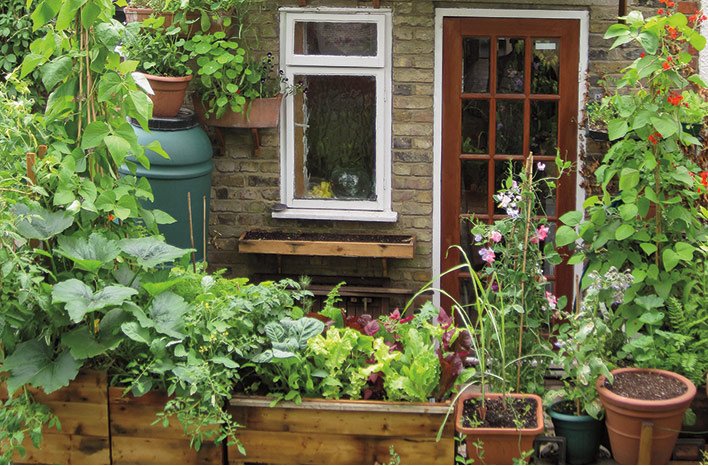
1. Seasonal Planning and Succession Planting
- Succession Planting: Stagger sowing dates so new crops replace harvested ones, ensuring continuous yield.
- Season-Specific Crops: Select cool-season crops like lettuce and spinach for winter, and warm-season crops like tomatoes and peppers for summer.
- Rotation: Alternate crop families to prevent nutrient depletion and pest buildup.
2. Container Gardening Techniques
- Choose Suitable Containers: Deep pots for root vegetables, wide containers for leafy greens, and hanging baskets for trailing plants.
- Quality Potting Mix: Use well-draining, nutrient-rich soil to support plant growth.
- Adequate Drainage: Ensure containers have holes to prevent waterlogging and root rot.
- Fertilization: Apply organic fertilizers like compost, vermicompost, or liquid seaweed extracts to maintain soil fertility.
Containers offer mobility, allowing gardeners to adjust plants based on sunlight and seasonal changes.
3. Vertical Gardening
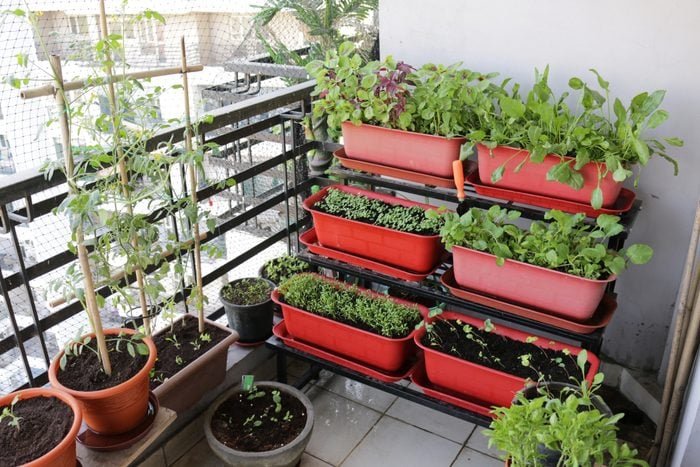
- Trellises and Stakes: Support climbers like beans, peas, and cucumbers to optimize vertical space.
- Wall Planters and Hanging Pots: Maximize limited floor area by growing vegetables along walls or in suspended containers.
- Stacked Systems: Multi-tiered racks allow simultaneous cultivation of multiple crops.
Vertical gardening increases plant density without crowding, reducing competition and enhancing light exposure.
4. Indoor and Hydroponic Systems
- Grow Lights: Provide supplemental light for indoor crops during low-sunlight periods.
- Hydroponics: Soil-free systems such as nutrient film technique or wick systems allow high-density cultivation in minimal space.
- Indoor Containers: Windowsills and shelves can host small pots of herbs and leafy greens year-round.
Indoor systems extend the growing season and reduce dependency on outdoor conditions.
5. Water Management
- Consistent Moisture: Small containers dry out quickly; regular watering is essential.
- Drip Irrigation or Self-Watering Pots: Minimize labor and maintain even soil moisture.
- Mulching: Organic mulches like straw or coconut husks retain moisture and moderate temperature.
Proper water management ensures healthy roots and sustained growth in limited spaces.
6. Pest and Disease Control
Even small spaces are susceptible to pests; early intervention is crucial:
- Natural Remedies: Neem oil, soap sprays, and garlic infusions protect crops without chemicals.
- Companion Planting: Herbs and flowers repel pests and attract beneficial insects.
- Regular Inspection: Early detection prevents infestations from multiplying.
- Sanitation: Remove diseased leaves and clean containers to maintain hygiene.
Combining preventive practices with organic treatments ensures year-round plant health.
7. Optimizing Light and Temperature
- Sunlight Exposure: Position containers where crops receive 4–6 hours of sunlight daily.
- Reflective Surfaces: Use mirrors or white walls to increase light penetration indoors.
- Seasonal Adjustments: Move containers or adjust grow lights to compensate for changing day lengths and temperatures.
Light and temperature optimization ensures steady growth and productivity throughout the year.
8. Soil Fertility Management
- Organic Amendments: Compost, vermicompost, and leaf mold improve nutrient content.
- Liquid Fertilizers: Seaweed extracts and compost tea provide quick nutrient boosts.
- Periodic Refreshing: Replace or top up potting media to maintain fertility and structure.
Healthy soil supports vigorous root systems and continuous harvests.
Benefits of Year-Round Vegetable Gardening in Small Spaces
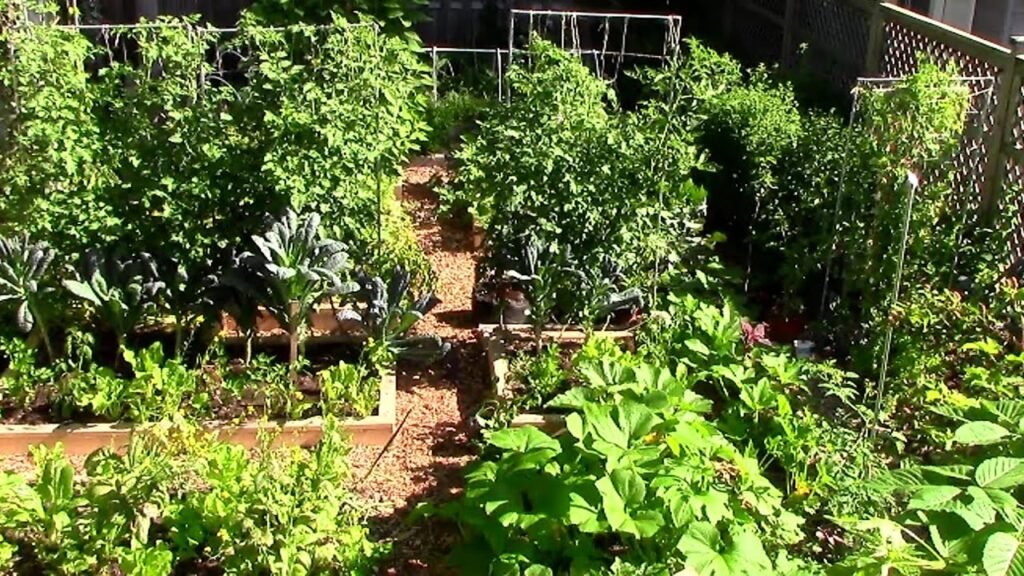
- Continuous Fresh Produce: Access to nutrient-rich vegetables throughout the year.
- Urban Food Security: Reduces reliance on store-bought produce.
- Sustainable Practices: Promotes organic, eco-friendly gardening techniques.
- Efficient Space Utilization: Maximizes productivity in limited areas.
- Enhanced Nutritional Intake: Access to fresh vegetables improves diet quality.
Small-space, year-round gardening offers both practical and health benefits for households.
Case Examples
- Urban Balcony Garden: Lettuce, radishes, and cherry tomatoes grown in containers with staggered sowing yielded harvests throughout the year.
- Vertical Wall Garden: Herbs and leafy greens grown in pocket planters provided continuous supply in a small kitchen area.
- Indoor Hydroponic System: Spinach, basil, and microgreens produced multiple harvests using nutrient film technique and LED grow lights.
These examples demonstrate the feasibility and efficiency of year-round vegetable cultivation in limited spaces.
Conclusion
Growing vegetables all year in small spaces is not only possible but also highly rewarding. By selecting suitable crops, optimizing space through containers, vertical setups, and indoor systems, managing water, soil, and light effectively, and adopting preventive pest management, gardeners can maintain a consistent supply of fresh vegetables.
Small-space, year-round gardening enhances food security, promotes sustainable practices, and improves dietary quality. With careful planning, proper crop management, and organic cultivation methods, even limited urban spaces can produce abundant, nutritious, and fresh vegetables throughout the year.