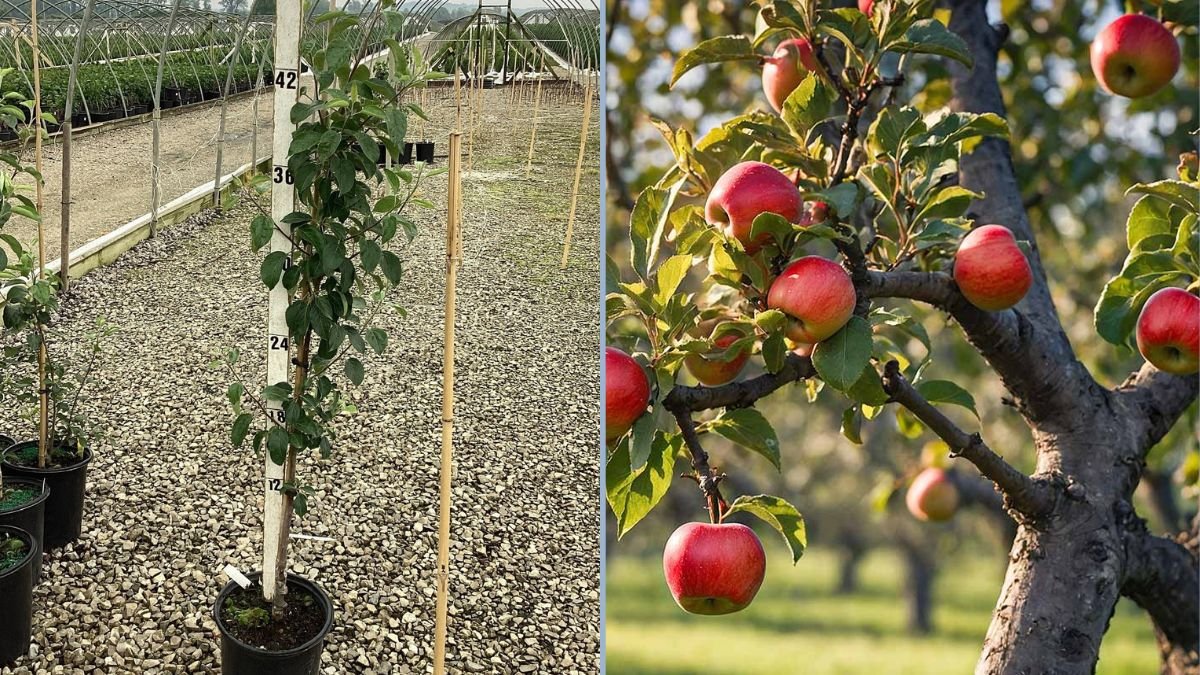
If you’ve planted a Honeycrisp apple tree in your yard, you may have heard that apples need at least two trees to produce fruit. So, it can be confusing — even shocking — when your single Honeycrisp tree suddenly starts bearing apples on its own.
“How is that possible?” you might wonder. “I thought apple trees couldn’t pollinate themselves!”
The good news: it’s not a miracle, and your tree isn’t breaking any rules of botany. There are several natural reasons why a single Honeycrisp apple tree can still produce apples, even though the variety is technically not self-fertile.
In this detailed guide, we’ll explore exactly why your one Honeycrisp tree is producing apples, how apple pollination really works, what external factors could be helping, and how to ensure consistent harvests year after year — even if you only have one tree.
Understanding Apple Tree Pollination Basics
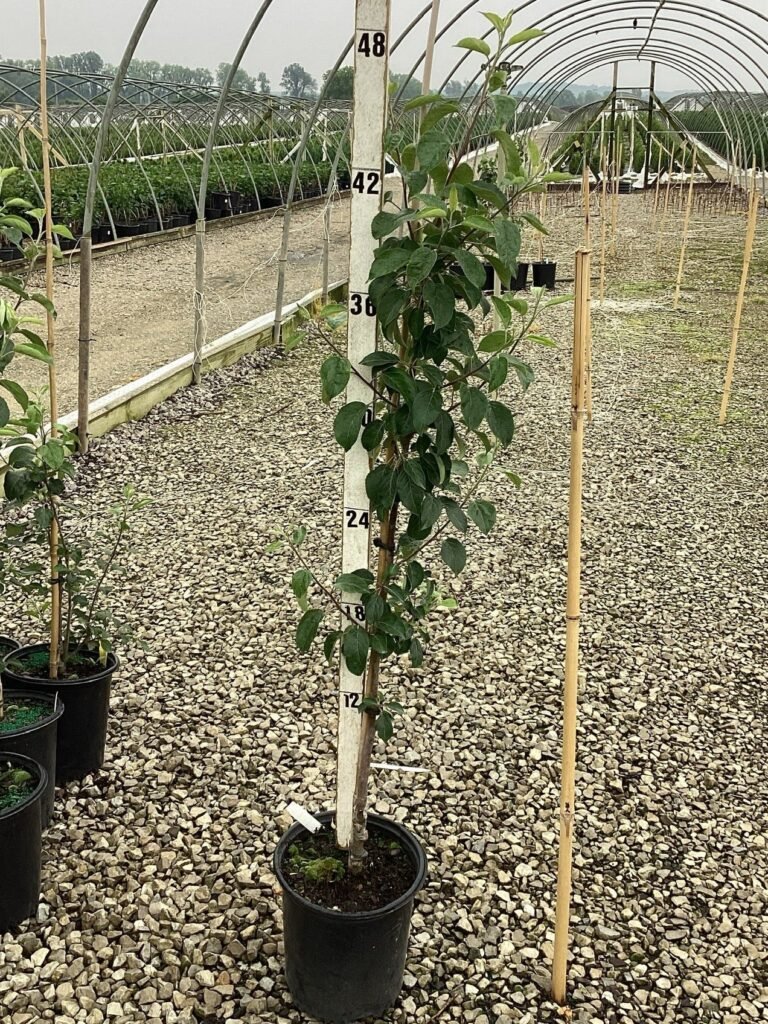
Before diving into why your single tree is bearing fruit, it helps to understand how apple pollination normally works.
Most Apple Trees Need Cross-Pollination
Apple trees are typically self-incompatible, meaning that pollen from the same variety (or sometimes even from the same genetic group) won’t fertilize its own flowers.
Instead, they rely on cross-pollination — pollen from a different apple variety carried by bees, wind, or other pollinators.
For example, Honeycrisp trees usually need a nearby compatible variety such as:
- Fuji
- Gala
- Granny Smith
- Golden Delicious
- Empire
These varieties bloom around the same time, allowing pollen to transfer between blossoms, resulting in fruit.
So Why Is My Single Honeycrisp Apple Tree Producing Fruit?

If you’ve got only one Honeycrisp tree and it’s producing apples, you might assume it’s self-pollinating — but the reality is more nuanced. Here are the most likely explanations.
1. Cross-Pollination from Nearby Apple or Crabapple Trees
Even if you only planted one tree, your neighborhood ecosystem may be helping.
Bees, the main pollinators of apples, can travel hundreds of feet — even up to half a mile — in search of nectar.
That means your tree could be receiving pollen from:
- A neighbor’s apple tree down the street
- A decorative crabapple tree in someone’s yard or local park
- Wild apple or crabapple trees growing nearby
Crabapples, in particular, are excellent pollinizers because their pollen is compatible with most apple varieties, and they often bloom at the same time as Honeycrisp.
So, even if you don’t see another apple tree in your yard, bees may be bringing pollen from afar — turning your “solo” Honeycrisp into a fruitful producer.
2. Partial Self-Fertility (or Genetic Mutation)
While Honeycrisp apples are officially considered self-incompatible, no biological rule is absolute. Some apple trees occasionally exhibit partial self-fertility, meaning a small percentage of their flowers can fertilize themselves under ideal conditions.
Possible reasons include:
- Genetic variation or mutation within your specific Honeycrisp tree
- Environmental stress triggering certain reproductive mechanisms
- Unusually strong pollen viability due to local climate
These cases are rare, but not impossible — and could explain why a single Honeycrisp tree produces a modest crop on its own.
3. Cross-Pollination from Other Rosaceae Family Members
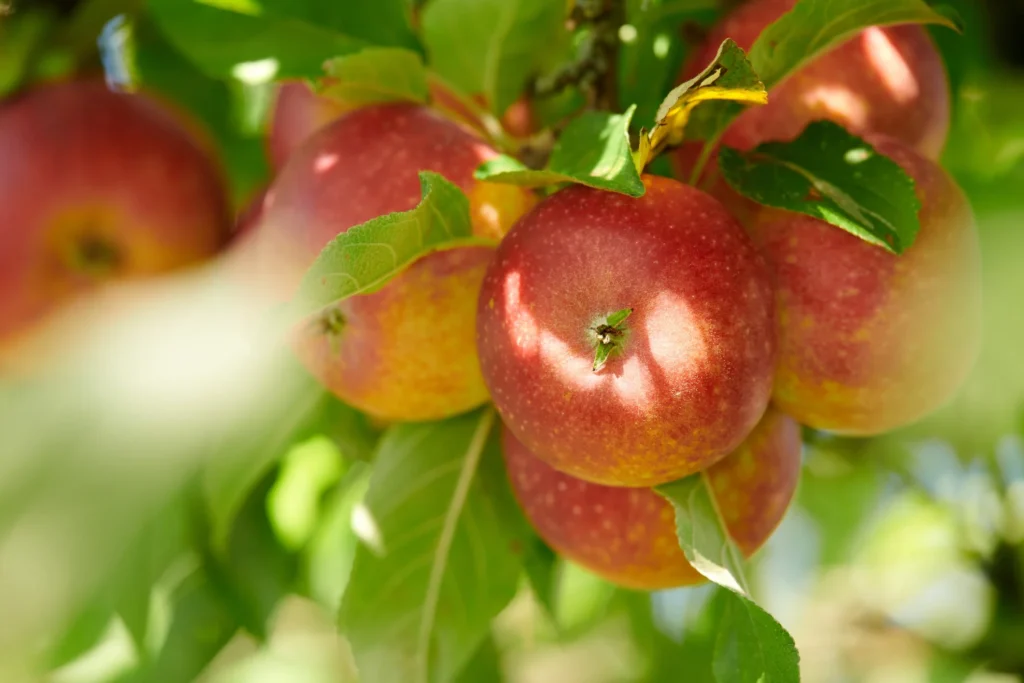
Sometimes, your Honeycrisp might be cross-pollinated by related fruit trees from the same family (Rosaceae), especially crabapples and ornamental apple trees.
Even though these trees produce small or decorative fruits, their pollen is often compatible enough to fertilize Honeycrisp blossoms.
If your neighborhood or nearby park has flowering crabapple trees, that’s probably your secret helper.
4. “Stored” Pollen from Previous Years? Not Exactly.
A common myth is that trees can store viable pollen or fertilized embryos from a previous season — that’s not true. Apple trees pollinate and fertilize fresh each spring. However, favorable conditions such as a long bloom period or mild spring weather can extend pollination time and increase fruit set — even with limited pollen availability.
5. Pollination from Commercial Orchards or Wild Sources
If you live within a few miles of a commercial apple orchard or wild woodland, there’s a good chance pollinators are carrying pollen from those areas to your yard.
Honeybees, mason bees, and even hoverflies can travel impressive distances, unknowingly ensuring that your single Honeycrisp tree receives enough pollen to set fruit.
How Does Pollination Actually Work in Apple Trees?
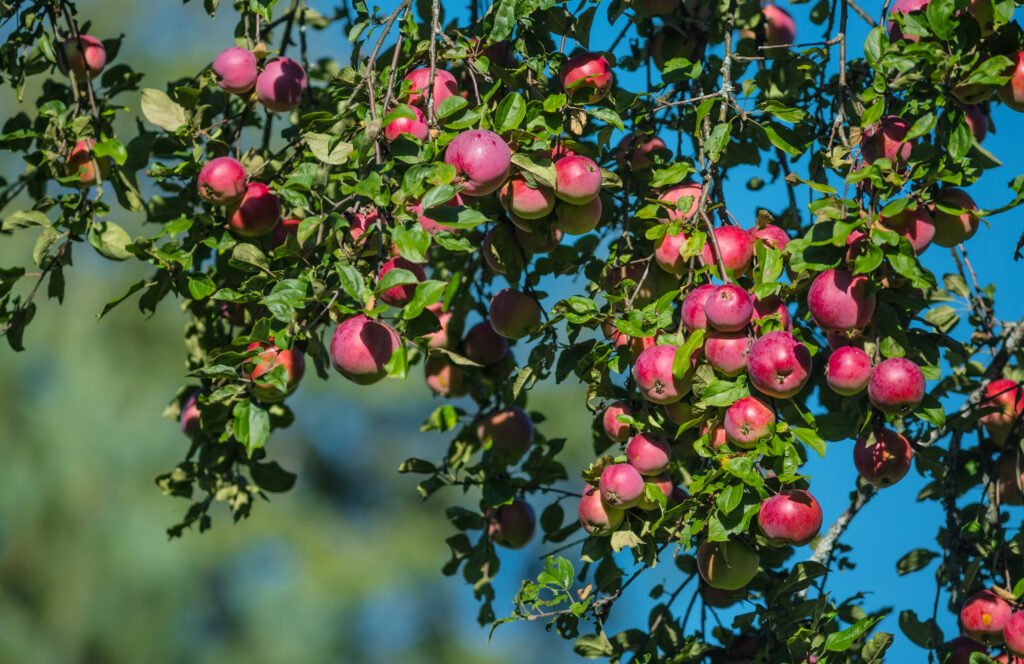
Here’s a quick overview of the process happening behind the scenes:
- Flower opening: Each spring, your Honeycrisp tree bursts into bloom with white-pink flowers.
- Pollen transfer: Bees or wind carry pollen grains from another apple’s stamens to your Honeycrisp’s stigma.
- Fertilization: The pollen grain germinates, forming a tube that travels down to the ovule, fertilizing the flower.
- Fruit formation: Once fertilized, the flower’s ovary develops into the apple we later harvest.
Without fertilization, blossoms may still form tiny fruitlets, but they’ll drop early (June drop) or fail to mature. So, if your fruits are growing to full size, you can be sure pollination and fertilization occurred successfully.
Factors That Encourage Fruit Set on a Single Tree
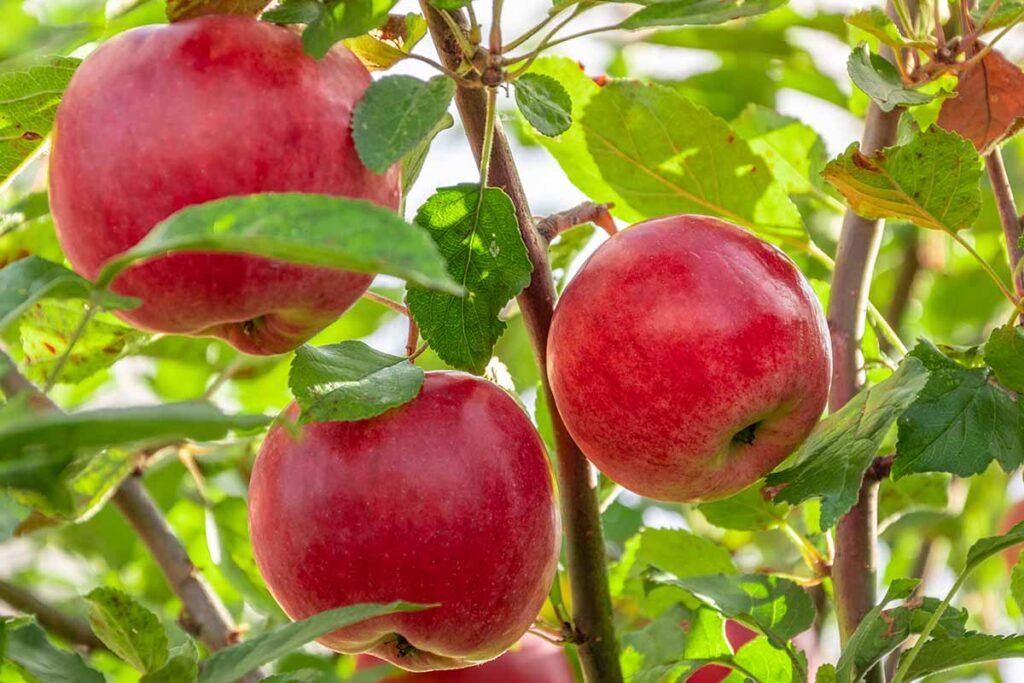
Even with limited pollination sources, a Honeycrisp tree can sometimes yield fruit thanks to a combination of helpful environmental factors:
1. Extended Bloom Period
If your tree blooms over a long period, even sporadic pollination events can result in adequate fruit set.
2. Abundant Pollinators
Healthy populations of bees, bumblebees, and native pollinators can maximize pollen transfer from distant sources.
3. Mild Weather During Bloom
Warm, dry, and sunny days increase pollen viability and pollinator activity. Cold, rainy, or windy weather can drastically reduce pollination success.
4. Tree Maturity
Older, well-established trees are more likely to produce viable blossoms capable of setting fruit — even under marginal pollination conditions.
Understanding Honeycrisp’s Pollination Partners
If you want to ensure consistent harvests in the future, consider adding a compatible pollination partner nearby.
Honeycrisp apple trees bloom in mid-season, so choose varieties with overlapping bloom times.
Top Honeycrisp Pollinizers:
- Fuji
- Gala
- Golden Delicious
- Granny Smith
- Jonathan
- Empire
Planting one of these within 50 feet of your Honeycrisp tree can dramatically improve yield and fruit quality.
How to Boost Pollination for a Single Honeycrisp Tree
Even if you’re limited to one tree, there are several ways to enhance pollination naturally:
- Attract more bees by planting pollinator-friendly flowers (lavender, borage, or clover) near your tree.
- Avoid pesticides during flowering — they can harm pollinators.
- Add a crabapple tree — they’re small, ornamental, and excellent pollinizers.
- Use a grafted branch: You can graft a branch from a compatible apple variety directly onto your Honeycrisp.
- Install a mason bee house: Mason bees are excellent local pollinators with short travel ranges.
These small changes can lead to larger, more consistent harvests every season.
Common Misconceptions About Single Apple Trees
| Myth | Reality |
|---|---|
| “One tree can’t produce any fruit.” | Partial fruit set can occur via cross-pollination from nearby trees or rare self-fertility. |
| “Honeycrisp is self-pollinating.” | No, but environmental and genetic factors can make limited self-pollination possible. |
| “Pollinators need two trees side by side.” | Bees can carry pollen over long distances, even between neighborhoods. |
| “You can hand-pollinate with a brush.” | True! It’s possible but labor-intensive for large trees. |
Troubleshooting: If Your Honeycrisp Isn’t Producing Fruit
If you’re not getting apples (or only a few), check for these issues:
- Lack of compatible pollinizers nearby
- Poor pollinator activity due to weather or pesticides
- Frost damage during bloom
- Over-pruning removing too many flowering spurs
- Tree immaturity — young trees (under 3–5 years) often focus on root growth
Adding a compatible variety or encouraging pollinators usually solves these problems.
Conclusion: The Mystery of the Solo Honeycrisp Tree Explained
So, how come your Honeycrisp apple tree is producing apples with only one tree?
Most likely, you’ve got nature’s best helpers — bees and neighboring trees — doing the work for you. Cross-pollination can happen across fences, yards, or even city blocks. Occasionally, genetic quirks or perfect environmental conditions let a Honeycrisp set fruit on its own.
Either way, count yourself lucky! You’re witnessing a little pollination magic at work — proof that even a single apple tree can thrive when the ecosystem around it is healthy.
To keep your tree happy:
- Encourage bees and pollinators
- Plant a compatible partner (or a crabapple)
- Avoid chemicals during bloom
- Prune and fertilize properly each year
Your solo Honeycrisp isn’t breaking the rules — it’s just showing how wonderfully adaptable nature can be.