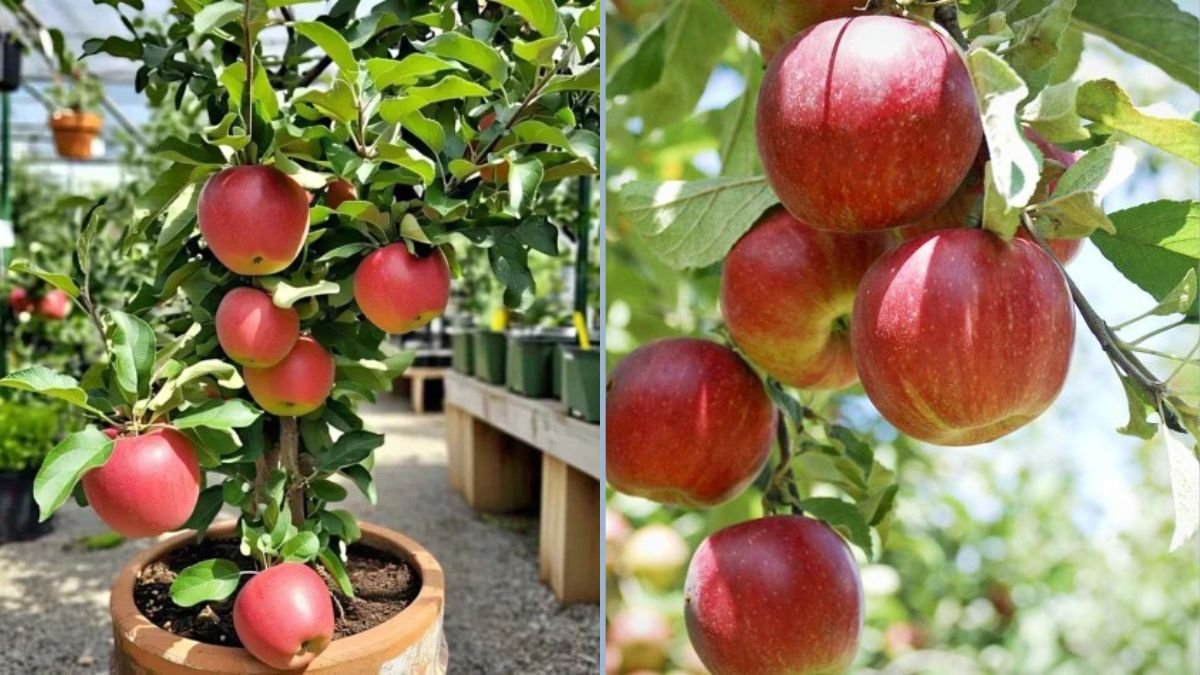
Few fruits are as iconic as the Red Delicious apple—the glossy, deep red fruit with its perfect shape and crisp, mildly sweet flavor has been an American favorite for over a century. Whether you’re planting your first fruit tree or expanding your backyard orchard, a Red Delicious apple tree can be a rewarding and beautiful addition to your landscape.
In this complete guide, we’ll walk you through everything you need to know about planting, caring for, and growing Red Delicious apple trees—from selecting the right spot and soil to watering, pruning, and ensuring a healthy harvest for years to come.
About the Red Delicious Apple
Before diving into planting, let’s understand what makes this apple variety so special.
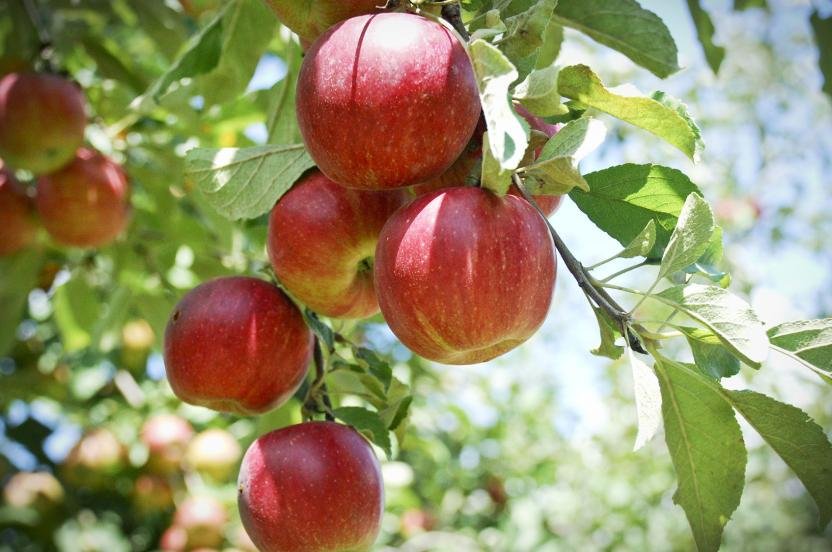
Red Delicious originated in the 1870s in Iowa, discovered by chance and later cultivated widely across North America. It became known for:
- Its brilliant red skin and heart-like shape
- Crisp texture and mildly sweet taste
- Excellent storage and shelf life
Although newer varieties have gained popularity in recent decades, Red Delicious remains a staple in orchards worldwide—valued not only for its beauty but also for its hardiness and productivity.
Why Plant a Red Delicious Apple Tree?
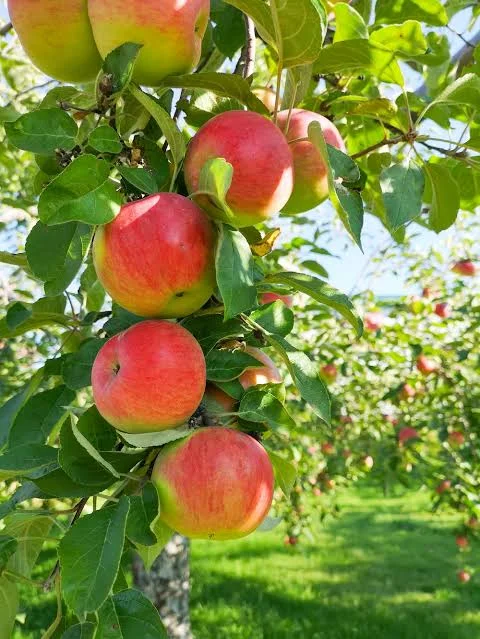
Planting a Red Delicious apple tree isn’t just about enjoying fresh fruit—it’s about creating a living, productive part of your home garden. Here are a few great reasons to plant one:
- Beautiful landscape tree: With its symmetrical shape and spring blossoms, it adds charm to any yard.
- Abundant spring blooms: White-pink flowers attract bees and pollinators.
- Reliable fruiting: Produces plentiful, uniform apples.
- Long-term investment: A well-cared-for tree can bear fruit for decades.
- Healthy fruit: Apples are rich in fiber, vitamin C, and antioxidants.
Choosing the Right Red Delicious Variety
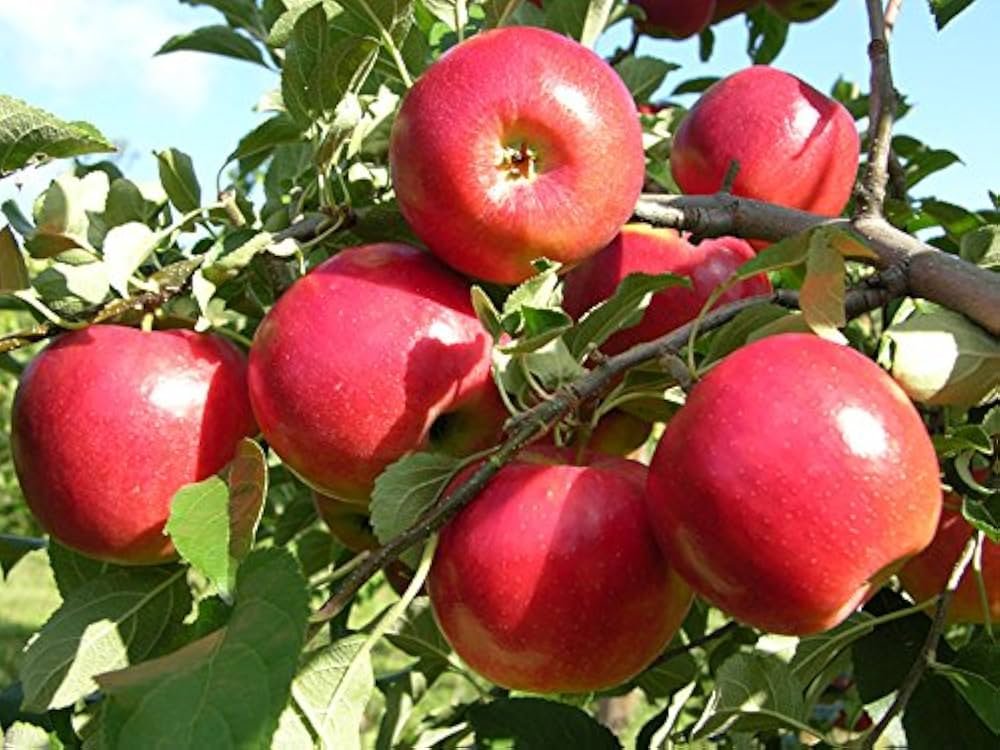
There are several strains and improved versions of Red Delicious apples, bred for color, taste, and disease resistance. When buying your tree, check the label or nursery information carefully.
Common varieties include:
- Starkrimson Red Delicious: Deep red, glossy, and elongated shape.
- Red Chief Delicious: Bright red, sweet, and crisp with strong color development.
- Top Red Delicious: Early coloring and reliable production.
- Starking Delicious: Classic flavor with slightly improved storage life.
Choose one suited to your region’s climate and your personal taste preference.
Step 1: Select the Perfect Planting Site
Your tree’s success starts with location. Red Delicious apple trees love full sunlight and well-drained soil.
Ideal site conditions:
- Sunlight: At least 6–8 hours of direct sun daily.
- Soil: Loamy, well-draining soil enriched with organic matter.
- pH: Slightly acidic to neutral (6.0–7.0).
- Elevation: Avoid frost pockets or low-lying areas where cold air settles.
Also, ensure there’s enough space for growth—standard trees can reach 20–25 feet tall, while dwarf varieties stay around 8–12 feet.
Step 2: Understand Pollination Requirements
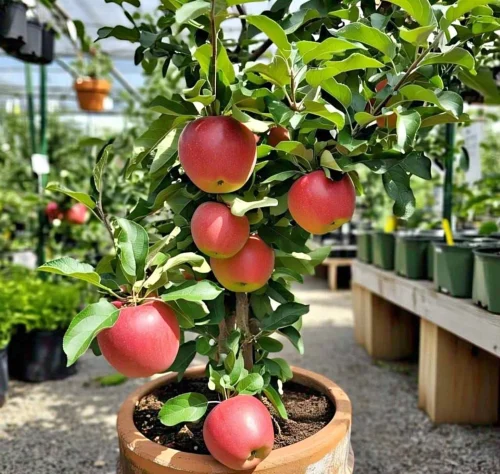
Red Delicious apple trees are not self-pollinating, meaning they need another compatible apple variety nearby for cross-pollination to bear fruit.
Recommended pollination partners:
- Golden Delicious
- Fuji
- Gala
- Jonathan
- Honeycrisp
Plant a pollinizer within 50 feet or ensure a neighbor or local orchard has one. Bees and other pollinators will do the rest!
Step 3: Choose Between Bare-Root or Potted Trees
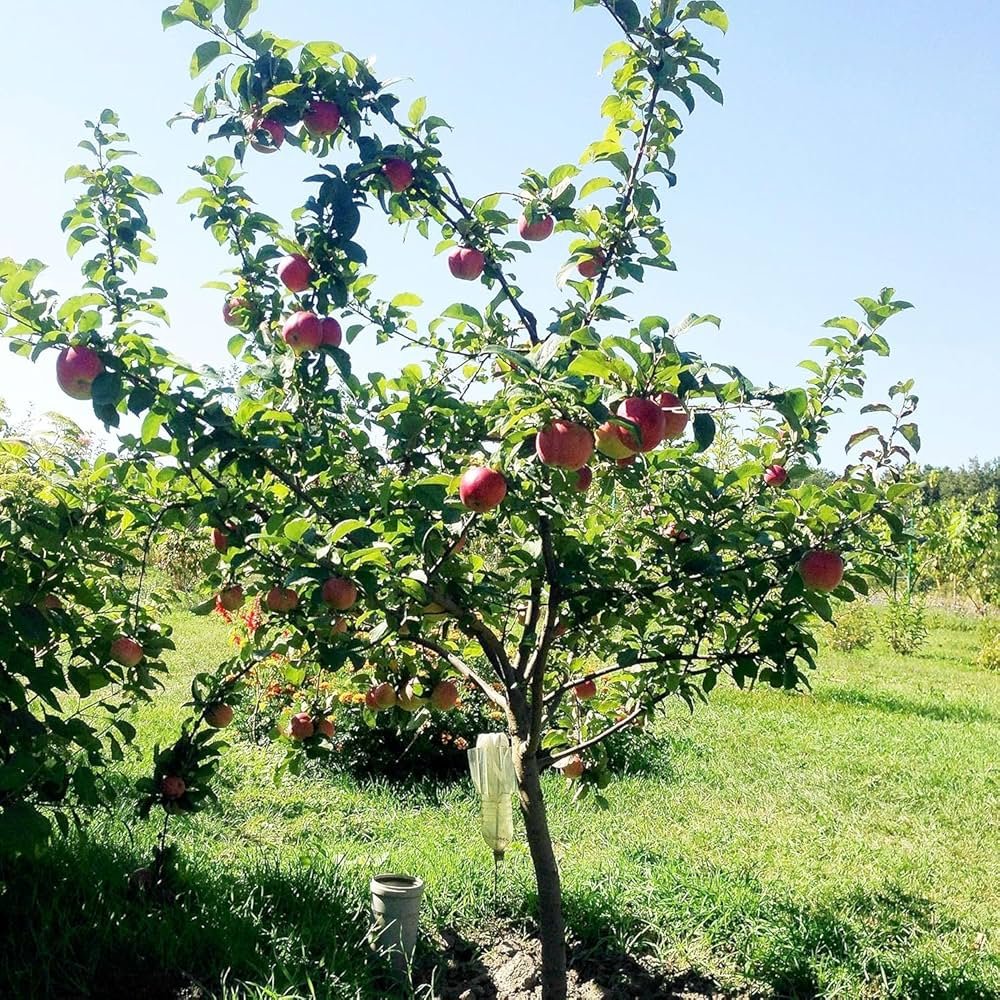
When buying a Red Delicious apple tree, you’ll usually find two options:
- Bare-root trees: Shipped dormant without soil—best planted in early spring.
- Container-grown trees: Come in pots with established roots—can be planted in spring or fall.
Tip: Bare-root trees are often cheaper and establish faster when planted correctly.
Step 4: Prepare the Soil
Before planting, prepare the soil properly to give your tree the best start.
- Loosen the soil in a 3-foot-wide area to at least 18 inches deep.
- Mix in organic compost or well-rotted manure to boost nutrients.
- Avoid adding chemical fertilizers directly into the planting hole—they can burn tender roots.
- If your soil is heavy clay, improve drainage by mixing in coarse sand or perlite.
Step 5: Planting Your Red Delicious Apple Tree
Now comes the fun part—getting your hands in the soil! Follow these steps for success:
- Dig a hole twice as wide and as deep as the tree’s root system.
- Create a mound of loose soil at the bottom for root support.
- Position the tree so that the graft union (the bulge near the base of the trunk) is 2–3 inches above soil level.
- Spread the roots evenly around the mound.
- Backfill the hole gently, pressing soil firmly but not compacting it.
- Water thoroughly to settle the soil around the roots.
If your area is windy, insert a stake for support during the first couple of years.
Step 6: Watering and Mulching
Young apple trees need consistent moisture as they establish roots.
- Watering: Keep soil moist but never soggy. Water deeply once or twice per week, especially during dry spells.
- Mulching: Apply a 2–3 inch layer of mulch (wood chips, straw, or shredded leaves) around the base to retain moisture and regulate soil temperature.
Leave a small gap around the trunk to prevent rot and rodent damage.
Step 7: Fertilizing for Growth
During the first year, avoid over-fertilizing—too much nitrogen can cause leafy growth at the expense of roots.
Fertilizer schedule:
- After the first growing season, apply a balanced 10-10-10 fertilizer in early spring.
- Repeat annually before flowering.
- Every 3–4 years, add organic compost to maintain soil health.
For best results, perform a soil test to tailor nutrient applications to your soil’s needs.
Step 8: Pruning and Training Your Tree
Pruning is essential for healthy growth, airflow, and fruit quality.
When to prune:
- Late winter or early spring (before buds break).
How to prune:
- Remove dead, damaged, or crossing branches.
- Shape the tree into an open “V” or “central leader” form.
- Thin out crowded branches to allow sunlight into the canopy.
Proper pruning encourages strong fruit-bearing limbs and reduces disease risk.
Step 9: Protecting Against Pests and Diseases
Like all apple trees, Red Delicious can be prone to certain pests and diseases. The key is prevention and early action.
Common issues:
- Apple scab
- Fire blight
- Powdery mildew
- Aphids
- Codling moths
Prevention tips:
- Keep the area around the tree clean and free of fallen fruit.
- Spray with neem oil or horticultural oil in early spring to deter insects.
- Avoid overhead watering to minimize fungal spread.
- Encourage beneficial insects like ladybugs and lacewings.
Step 10: Patience and Harvest Time
Most Red Delicious apple trees begin producing fruit in their third to fifth year after planting. Dwarf varieties may fruit earlier, sometimes in just two years.
Harvest season:
- Usually between late September and mid-October (depending on region).
You’ll know apples are ready when:
- The skin is deep red.
- Fruits come off easily with a gentle twist.
- The seeds inside have turned brown.
Store harvested apples in a cool, dark place or the refrigerator—they’ll stay crisp for several months.
Bonus Tips for Success
- Avoid planting in frost-prone areas—apple blossoms are sensitive to spring frosts.
- Keep weeds away from the base of the tree to reduce competition for nutrients.
- Thin young fruits early (one per cluster) to ensure larger, better-quality apples.
- Consider companion planting with herbs like chives, garlic, or clover to deter pests and improve soil health.
Common Questions About Red Delicious Apple Trees
Q: Can I grow a Red Delicious apple tree in a pot?
Yes! Choose a dwarf variety and use a 20–25 gallon container with good drainage. It’s ideal for patios and small spaces.
Q: How long do Red Delicious apple trees live?
With proper care, they can live 40–50 years or more, producing fruit for decades.
Q: Do I need two trees for fruit?
Yes, for optimal harvests. Plant a compatible variety nearby for cross-pollination.
Conclusion: A Timeless Tree for Every Home Orchard
Planting a Red Delicious apple tree is more than just a gardening project—it’s an investment in beauty, sustainability, and delicious rewards. From the pink-white spring blossoms to the deep red fruits of fall, this tree brings color, flavor, and life to your garden year after year.
With proper sunlight, soil, pruning, and pollination, your Red Delicious tree will thrive and provide generations of crisp, sweet apples. So grab your shovel, pick the perfect spot, and start planting — your future harvest awaits!