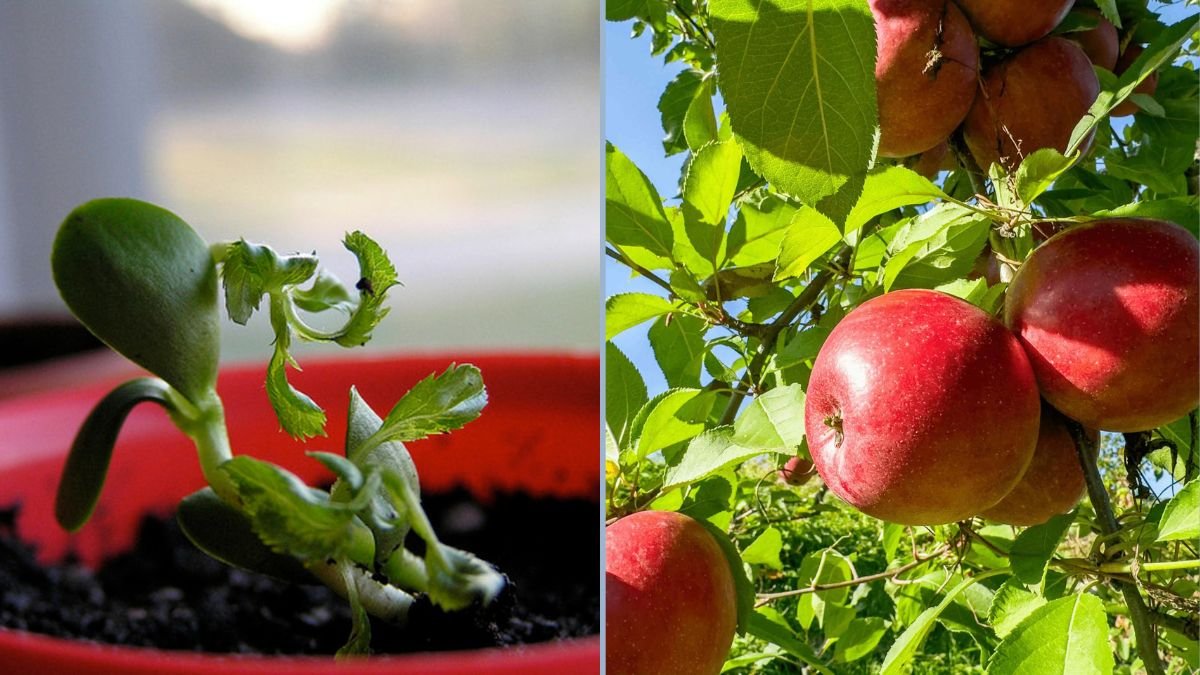
There’s something truly magical about growing fruit trees from seed — watching life emerge from a tiny seed, nurturing it into a strong young plant, and dreaming of the day it bears fruit. If you’ve ever bitten into a crisp, juicy Fuji apple and thought, “Can I grow one of these from a seed?” — the answer is yes, you can!
In this post, we’ll walk you through the step-by-step process of planting Fuji apple seeds, what to expect as they germinate and grow, and share an update on our grape plant’s progress in the garden. Whether you’re a beginner gardener or a seasoned grower experimenting with fruit trees, this guide will inspire and equip you to start your own apple and grape growing journey at home.
Why Grow Fuji Apples from Seed?
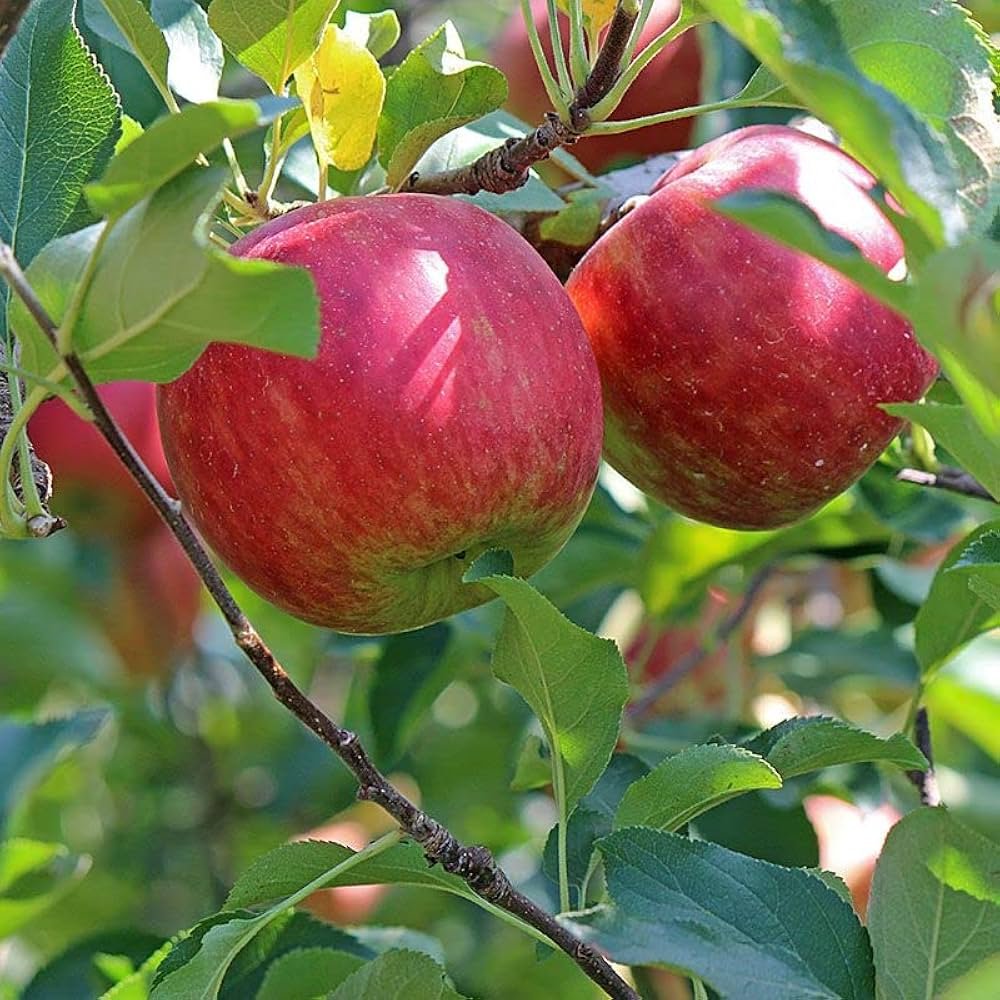
Fuji apples are among the world’s most beloved varieties — sweet, crisp, and perfectly balanced. Developed in Japan in the 1930s, Fuji apples are a cross between Red Delicious and Ralls Janet apples, combining the best qualities of both.
While most commercial Fuji apple trees are grown from grafted rootstock (to ensure fruit quality and faster maturity), growing from seed is a rewarding experiment that lets you experience nature’s full process — from germination to growth.
Here’s why it’s worth a try:
- Educational & fun: Great for kids and beginner gardeners.
- Genetic variety: Every seed is unique — your Fuji seedling may produce a completely new apple variety!
- Budget-friendly: Free seeds straight from your kitchen apple.
- Beautiful trees: Even if they never fruit, apple trees are ornamental and pollinator-friendly.
Important Note: Fuji Apples Don’t Grow “True to Type”
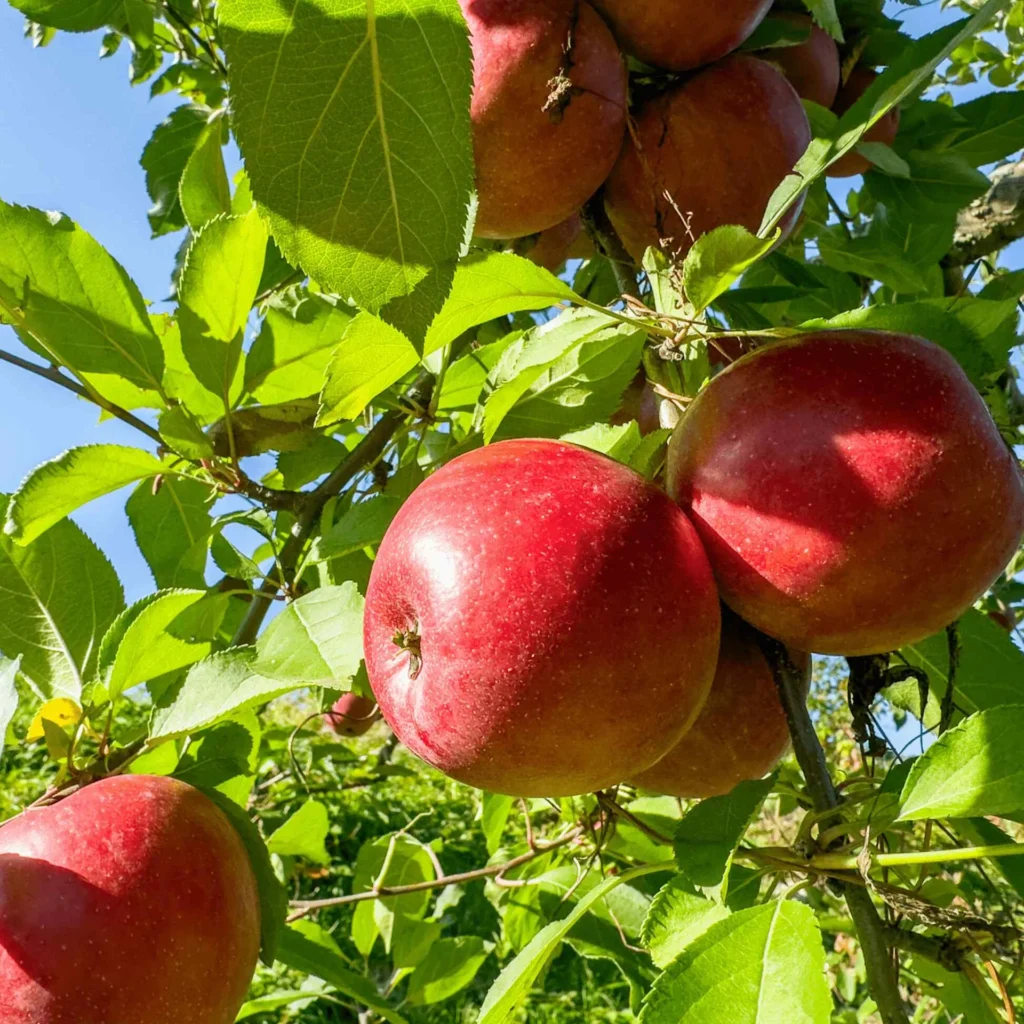
Before we dive in, it’s essential to understand that Fuji apple seeds won’t produce apples identical to the original fruit. Like humans, apple seeds carry mixed genes from both parents — meaning your tree might yield smaller, tarter, or differently colored apples.
But that’s part of the fun! You’re not just planting a Fuji apple — you’re potentially creating your own new apple variety.
Step 1: Collecting and Preparing Fuji Apple Seeds
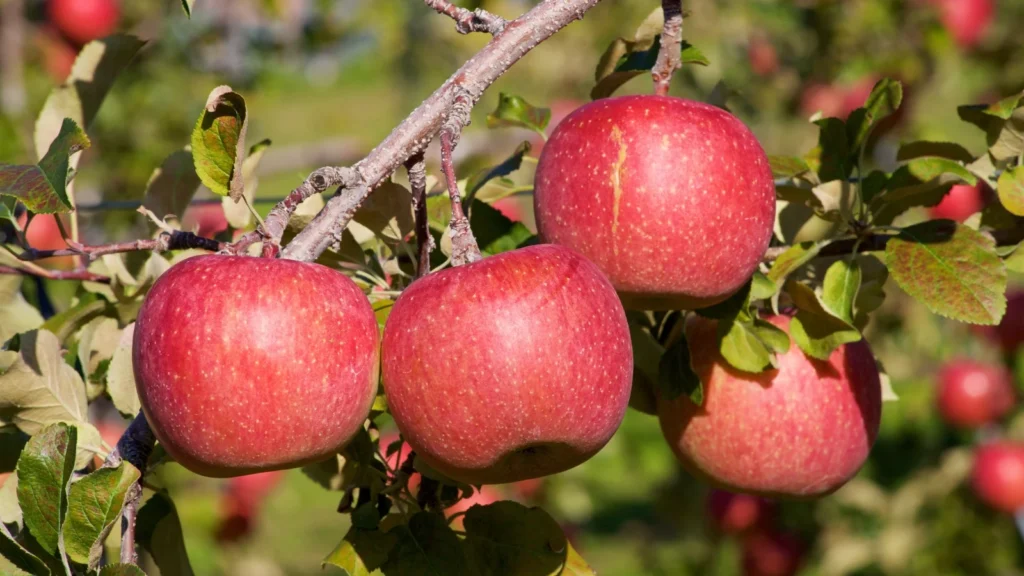
Start with a healthy, ripe Fuji apple — ideally organic, since some conventional apples are treated with chemicals that can affect seed viability.
- Remove the seeds: Cut your apple horizontally and carefully take out 5–10 brown, intact seeds.
- Rinse gently: Wash away all traces of fruit flesh — leftover sugars can encourage mold.
- Dry the seeds: Place them on a paper towel and let them air dry for 24 hours.
Once clean and dry, your seeds are ready for cold stratification, a critical step that mimics winter dormancy.
Step 2: Cold Stratification — The Secret to Germination
Apple seeds need a period of cold, moist conditions before they’ll sprout. This process “tricks” the seed into thinking winter has passed, signaling it’s time to grow.
Here’s how to stratify Fuji apple seeds:
- Wrap the seeds: Place them in a damp (not wet) paper towel.
- Seal in a bag: Put the towel in a labeled zip-lock bag.
- Refrigerate: Store the bag in your fridge (not freezer!) for 6 to 8 weeks.
- Check weekly: Make sure the paper towel stays moist and look for early sprouts.
You may start seeing tiny white roots — that’s your signal that germination has begun!
Step 3: Planting Your Germinated Seeds
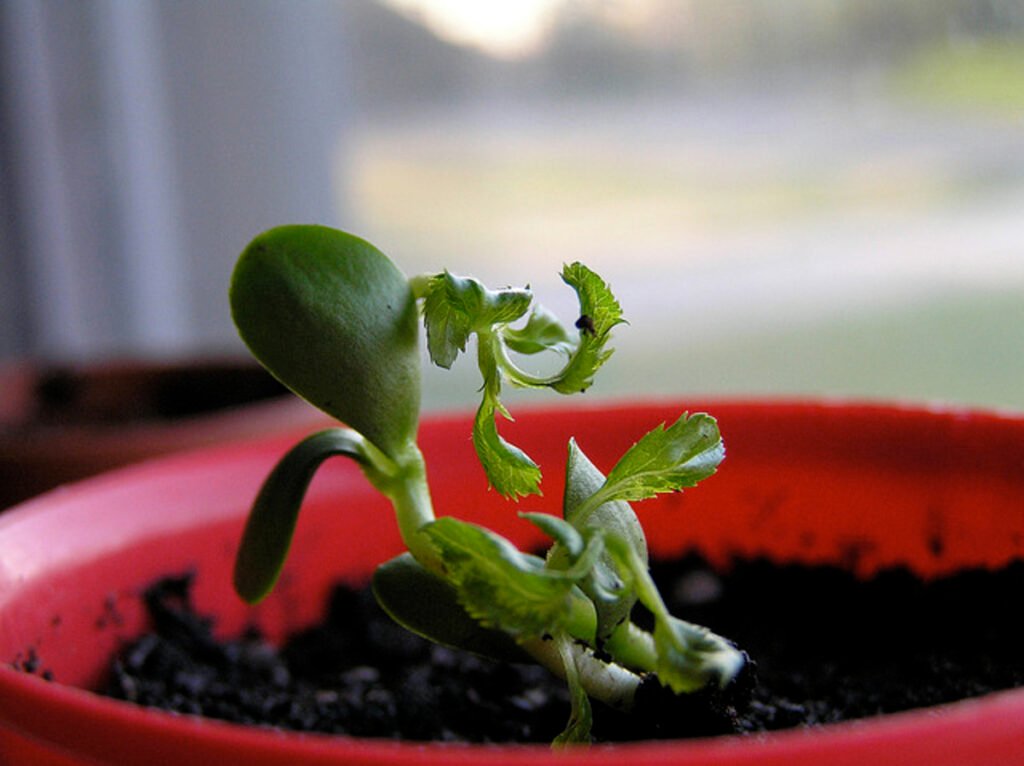
Once you see sprouts emerging from your Fuji seeds, it’s time to plant them in soil.
You’ll need:
- Small seedling pots (3–4 inches deep)
- Quality potting mix or seed-starting soil
- A sunny indoor spot or grow light
Steps:
- Fill each pot with moistened potting mix.
- Gently place one seed per pot about ½ inch deep.
- Cover lightly with soil and water just enough to keep it damp.
- Keep pots in a warm, bright location (around 65–75°F / 18–24°C).
Your seedlings should appear within 2–3 weeks if all goes well!
Step 4: Caring for Your Fuji Apple Seedlings
Now that your seeds have sprouted, care is key. Apple seedlings are delicate in their early stages.
Provide:
- Light: 6–8 hours of sunlight daily (or use a grow light).
- Water: Keep the soil moist but not soggy. Overwatering can cause root rot.
- Air circulation: Gentle airflow prevents mold and fungus.
When your seedlings reach about 6 inches tall, you can transplant them into larger pots or your garden, depending on your climate.
Step 5: Transplanting Outdoors
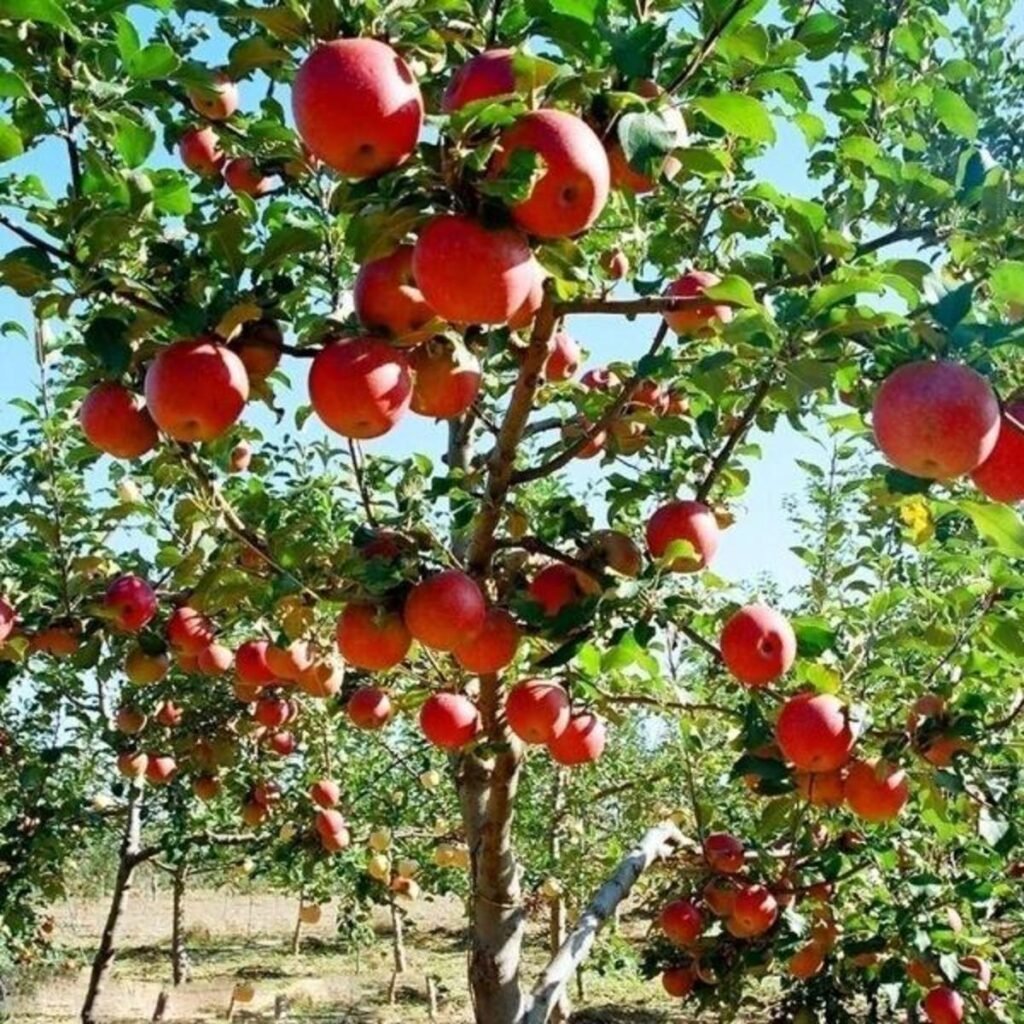
If you live in a region with a mild spring and summer, you can move your young Fuji apple plants outdoors once the risk of frost has passed.
How to transplant:
- Harden off your seedlings: Gradually expose them to outdoor conditions for a week.
- Choose a sunny location: Fuji apples love full sunlight.
- Prepare the soil: Loosen the top 12–18 inches of soil, mix in compost, and ensure good drainage.
- Plant gently: Keep the root ball intact and water thoroughly after planting.
Maintain a distance of 15–20 feet between apple trees if planting multiple.
Step 6: The Long Game — Growing to Maturity
Here’s the reality: Fuji apple trees grown from seed can take 8–10 years to mature and bear fruit — sometimes longer. That’s why commercial growers use grafting, which reduces the waiting time to 3–5 years.
However, your seed-grown tree is an experiment in nature and patience. During these years:
- Prune regularly to shape the tree.
- Watch for pests and diseases (especially aphids and leaf spots).
- Mulch around the base to retain moisture.
- Fertilize once per year with a balanced organic mix.
Even if your tree doesn’t produce Fuji-like fruit, you’ll still enjoy a beautiful, fragrant apple tree in your garden.
Our Grape Plant Update: Growth and Progress!
While waiting for your apple seeds to grow, it’s equally rewarding to track the progress of other fruit plants — like grapes. In our garden, our grape plant has shown exciting growth since our last update!
Here’s what’s been happening:
Vigorous New Shoots
With warmer weather and consistent watering, the grapevine has developed strong new shoots, stretching toward its trellis. Regular pruning keeps these vines manageable and encourages fruit-bearing wood.
Leaf Health
Healthy, vibrant green leaves mean the plant is photosynthesizing efficiently. We’ve been monitoring for pests like leafhoppers and mites — so far, it’s been pest-free thanks to neem oil spray and good airflow.
Sunlight and Watering Routine
Our grape plant thrives in 6–8 hours of full sunlight daily. Deep watering twice a week helps roots grow strong while preventing shallow root systems.
Fertilization
A monthly application of organic compost tea has boosted nutrient uptake, promoting steady growth and stronger vines.
What’s Next?
As we move into the next growing season, we expect the vine to produce its first small clusters of grapes. While it may take another year or two before a full harvest, the signs are promising — lush leaves, sturdy canes, and strong root development.
Tips for Growing Grapes Alongside Apples
If you’re cultivating grapes and apples together, keep these tips in mind:
- Space wisely: Grapes are vigorous climbers; give them a separate trellis or fence away from apple roots.
- Avoid shade competition: Both crops love sunlight. Position them so one doesn’t block the other.
- Control humidity: Good airflow prevents fungal diseases in both plants.
- Rotate mulch and compost: Apply organic mulch around both but avoid piling against stems.
Together, apples and grapes can create a stunning, productive corner in your garden — symbolizing patience, growth, and nature’s abundance.
Common Questions About Growing Fuji Apples from Seed
Q: How long before my Fuji apple tree produces fruit?
Typically 8–10 years if grown from seed, but grafted trees can fruit in 3–5 years.
Q: Can I grow Fuji apples indoors?
You can start them indoors, but they’ll eventually need to move outdoors for full sunlight and pollination.
Q: Will my Fuji apple taste the same as the store-bought one?
Probably not — but it might be even better! Each seed-grown tree produces a unique variety.
Q: Do I need two trees for fruiting?
Yes, apple trees need cross-pollination. Consider growing a compatible apple variety nearby (like Gala or Golden Delicious).
Final Thoughts: From Tiny Seeds to Fruitful Dreams
Planting a Fuji apple tree from seed is a true act of hope and patience. You’re not just growing a plant — you’re nurturing a living experiment, one that connects you to the rhythms of nature and rewards you with lessons (and possibly fruit!) along the way.
Pair that with the steady growth of your grape plant, and you’ve got a backyard filled with promise. Remember: in gardening, progress is measured in seasons, not days. Every new sprout, leaf, or vine is a small victory worth celebrating.