
Growing your own avocados can feel like a small miracle—lush green leaves, the promise of creamy fruit, and the satisfaction of doing it yourself. If you’re planning to cultivate the popular Hass variety, this quick-care guide will walk you step-by-step through the essentials: planting, caring, and harvesting your tree. The following reflects the advice from the video “How to Grow Hass Avocados: Quick Care Guide”, combined with additional expert insights for a smooth and fruitful experience.
1. Why Choose the Hass Avocado?
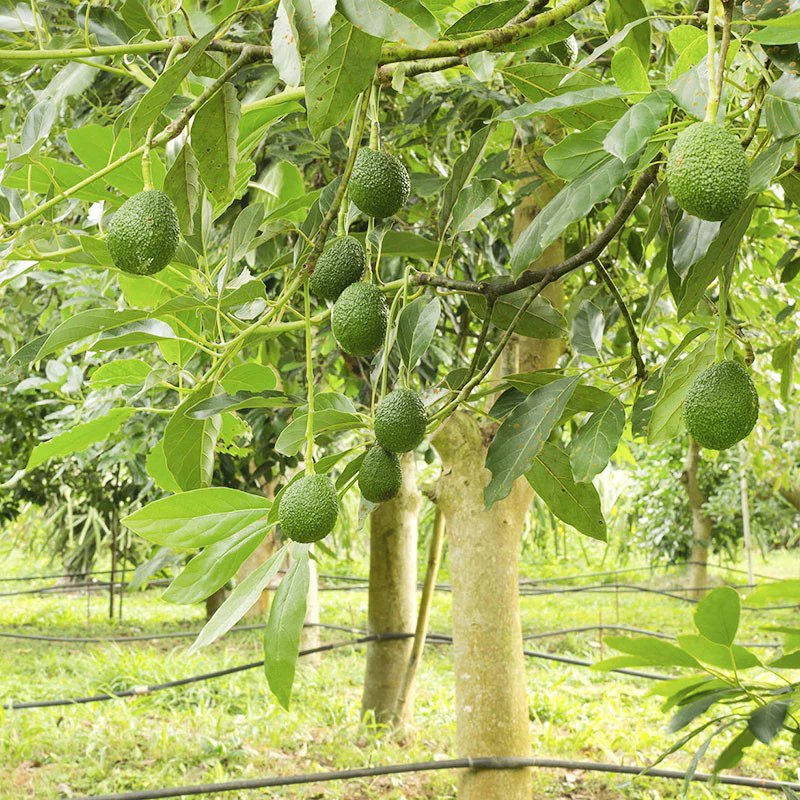
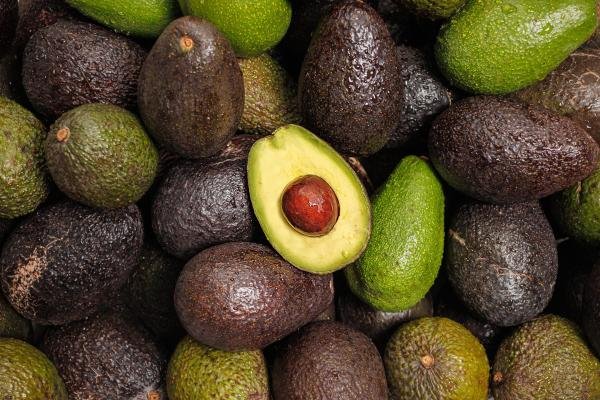
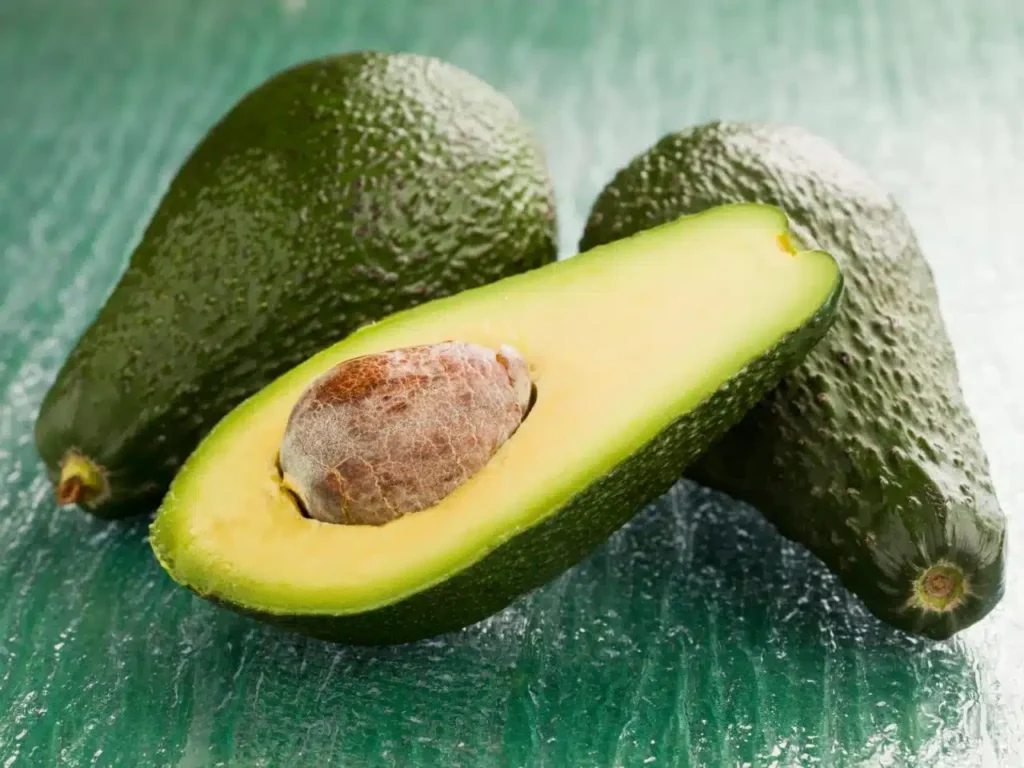
The Hass avocado (Persea americana ‘Hass’) is one of the most popular varieties worldwide. It’s known for its rich, creamy texture, nutty flavor, and distinctive dark, bumpy skin that turns nearly black when ripe. The tree is vigorous, moderately sized, and can produce fruit for many years when cared for properly. It’s also more tolerant of varying conditions compared to other avocado types, making it a great choice for home growers.
2. Choosing the Right Location & Soil
Every healthy avocado tree begins with the right environment.
Sunlight & climate
- Hass avocado trees need at least six hours of direct sunlight daily.
- They thrive in warm, frost-free areas with good air circulation. If your area experiences frost, consider growing the tree in a pot so it can be moved indoors during cold weather.
Soil & drainage
- Use well-draining soil, such as sandy loam. Avocado roots dislike standing water and can easily rot.
- The ideal soil pH is between 6.0 and 6.5. You can improve heavy soil by mixing in organic compost and sand to enhance drainage.
- If your ground retains water, plant the tree on a raised mound or use a large container to help the roots breathe.
3. Planting Your Tree: Step by Step
Follow these steps for successful planting:
- Select a healthy grafted sapling – This ensures your tree produces true Hass avocados and fruits earlier than seed-grown trees.
- Dig a hole about twice as wide as the root ball and the same depth. The root crown should remain slightly above ground level.
- Backfill the hole with a mixture of native soil, compost, and sand. Gently firm the soil and water well to settle it.
- Mulch around the base to conserve moisture and prevent weeds, keeping mulch a few inches away from the trunk to avoid rot.
If you’re planting in a pot, use a large container (at least 40–60 liters) with excellent drainage holes.
4. Watering & Moisture Management
Watering is critical to success—but too much water is worse than too little.
- Young trees need frequent but light watering until roots establish. Mature trees benefit from deep watering once a week depending on your climate.
- Allow the top few inches of soil to dry out before watering again. Constantly soggy soil causes root rot.
- In hot, windy, or dry regions, check soil moisture more often—avocados don’t like drying out completely either.
- For potted trees, water more often but ensure proper drainage.
Simple test: Stick your finger into the soil about two inches deep. If it’s dry, water thoroughly; if it’s still damp, wait another day or two.
5. Fertilising & Nutrition
Avocado trees are heavy feeders and require consistent nutrition for lush growth and fruit production.
- Use a balanced fertilizer (with nitrogen, phosphorus, and potassium) three to four times a year.
- Young trees benefit from small, regular feedings. As the tree matures, two feedings a year—spring and summer—are often enough.
- Include trace minerals like zinc and iron if you notice yellowing leaves or slow growth.
- Organic options such as compost, worm castings, and aged manure improve soil health naturally.
Avoid fertilizing late in the year when the tree is preparing for dormancy, as it can stimulate tender new growth susceptible to cold damage.
6. Pruning & Shaping
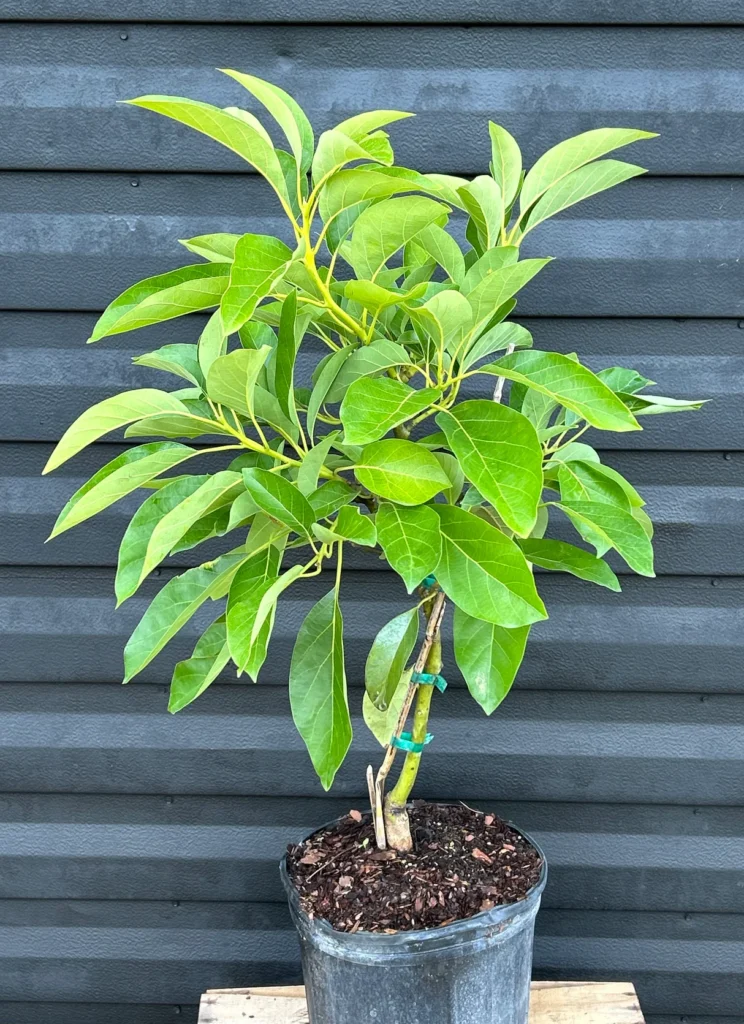
Avocado trees don’t require heavy pruning, but light shaping helps maintain structure and encourage airflow.
- Remove dead, weak, or crossing branches to prevent disease and improve sunlight penetration.
- Aim for a conical shape—wider at the bottom and narrower at the top—to let light reach all areas.
- For container trees or smaller gardens, trim height and width to keep the tree compact.
- Prune in early spring or right before the active growing season begins. Avoid pruning during extreme heat or fruiting periods.
Pruning too much can reduce yield, so keep cuts light and strategic.
7. Managing Pests, Diseases & Common Problems
Even healthy avocado trees can encounter problems. Knowing what to look for helps you fix issues early.
Root rot (Phytophthora)
- Caused by overwatering or poor drainage. Ensure the soil dries between waterings and improve drainage if needed.
Fungal diseases
- Fungi like anthracnose can cause dark spots on leaves and fruit. Prune for airflow and avoid overhead watering.
Pests
- Common pests include spider mites, thrips, and scale insects. These can damage leaves and reduce productivity.
- Regularly check the undersides of leaves for webbing or sticky residue. If needed, use organic neem oil or insecticidal soap.
Nutrient deficiencies
- Yellow leaves often indicate nitrogen or iron deficiency, while brown tips may signal salt buildup. Flush soil occasionally to prevent salt accumulation.
8. Harvesting & What to Expect
Growing Hass avocados takes patience—fruiting can take several years, but it’s worth the wait.
- Grafted trees usually produce fruit in 3–4 years.
- Seed-grown trees may take 5–13 years and sometimes produce smaller or less flavorful avocados.
- Hass avocados don’t ripen on the tree. Harvest them when they reach full size and allow them to soften at room temperature.
- When ripe, the skin darkens from green to nearly black and the fruit yields slightly to gentle pressure.
- To harvest, use pruning shears to cut the fruit with a small stem attached—avoid pulling or twisting.
After harvesting, store avocados at room temperature until ripe, then refrigerate if needed.
9. Growing in Containers or Small Spaces
Container growing is ideal for those with limited space or cooler climates.
- Choose a large, sturdy pot with several drainage holes.
- Use a high-quality potting mix combined with sand or perlite for aeration.
- Place the tree in a sunny spot (at least six hours of light daily).
- Water more frequently than ground-planted trees but never let water sit in the saucer.
- Every 2–3 years, repot into a slightly larger container or refresh the topsoil with compost.
- In cold regions, move the plant indoors during winter and place it near a sunny window.
10. Common Growing Mistakes to Avoid
- Overwatering – The number one cause of avocado death. Roots need oxygen as much as moisture.
- Planting too deep – Keep the root crown slightly above the soil level.
- Ignoring soil type – Dense, heavy soils suffocate roots. Always amend for drainage.
- Neglecting nutrition – Avocados are heavy feeders; supplement regularly.
- Skipping pest checks – Insects can spread fast and damage new growth.
- Expecting fruit too early – Be patient; a healthy young tree needs time to mature before it can bear fruit.
11. Quick-Care Checklist
Keep this checklist handy for easy reference:
- Full sunlight (6+ hours daily)
- Well-drained, loose soil, pH 6.0–6.5
- Grafted sapling for faster fruiting
- Water deeply but infrequently
- Fertilize regularly with balanced nutrients
- Mulch to retain moisture
- Light pruning for shape and airflow
- Watch for pests and root rot
- Harvest mature fruit, ripen off the tree
Final Thoughts
Growing a Hass avocado tree is a rewarding and sustainable project that pays off in patience and persistence. It connects you to your food, enhances your garden, and can provide years of delicious, nutrient-rich fruit.
Whether planted in a backyard or kept in a pot on your balcony, Hass avocados thrive when given sunlight, good soil, proper watering, and consistent care. Every leaf, blossom, and fruit becomes a reflection of your dedication.
So plant that sapling, nurture it with care, and in time, enjoy the satisfaction of slicing into a creamy, homegrown avocado that you cultivated yourself.