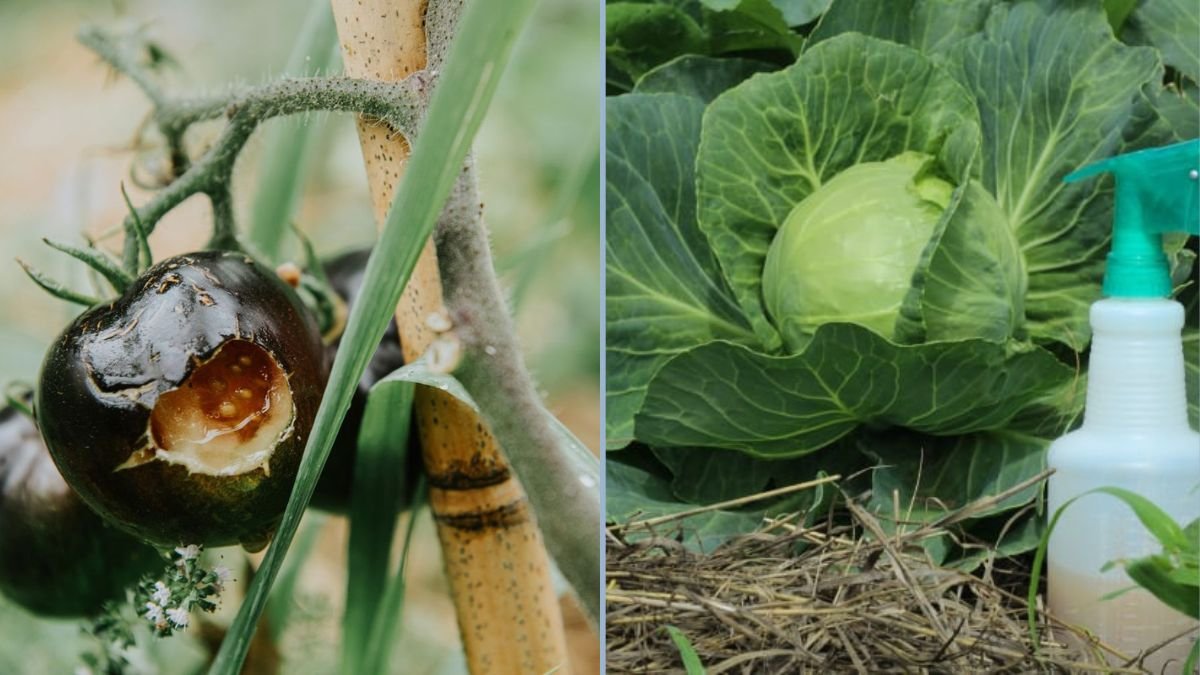
Pest management is a major concern for home gardeners, especially those committed to organic and sustainable practices. Conventional chemical pesticides may harm the environment, pollinators, and human health. Fortunately, there are numerous natural strategies to protect garden vegetables without compromising plant-based growth or ecological balance. This article provides a comprehensive guide on natural pest control techniques, plant-based repellents, and preventive measures to maintain healthy, thriving vegetable gardens.
Why Natural Pest Control Matters
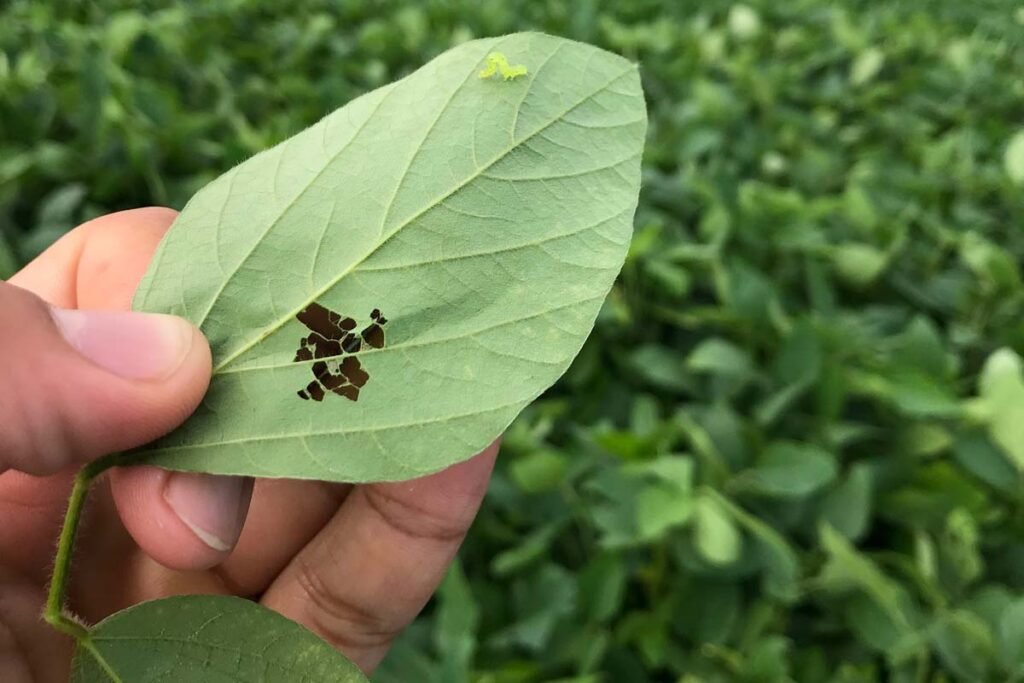
Using natural methods to manage pests in vegetable gardens offers multiple benefits:
- Healthier Produce: Eliminates exposure to synthetic chemicals, keeping vegetables safe for consumption.
- Environmental Protection: Reduces soil and water contamination, preserving local biodiversity.
- Pollinator-Friendly: Protects beneficial insects like bees and butterflies essential for plant reproduction.
- Sustainable Gardening: Encourages long-term soil fertility and ecosystem balance.
- Cost-Effective: Many natural pest control methods use readily available household or garden materials.
By adopting natural strategies, gardeners maintain ecological harmony while producing healthy, high-quality vegetables.
Understanding Common Garden Pests
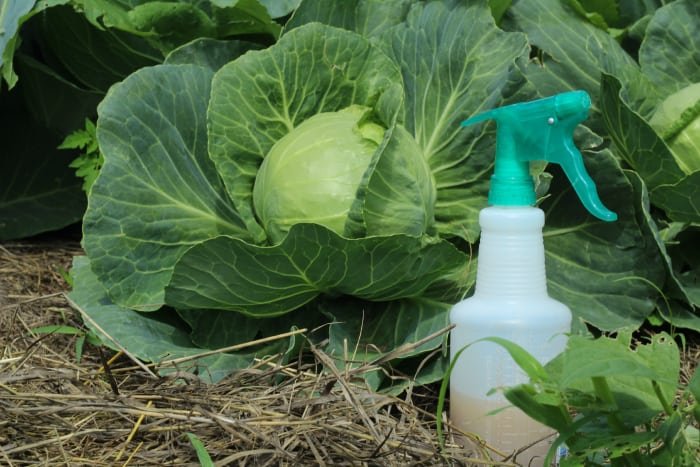
Before implementing control measures, it is essential to identify the pests that commonly affect vegetables:
- Aphids: Small, soft-bodied insects that suck plant sap, causing yellowing leaves and stunted growth.
- Caterpillars: Chewing insects that feed on leaves and stems, leading to defoliation.
- Whiteflies: Tiny flying insects that weaken plants by feeding on sap and transmitting diseases.
- Spider Mites: Microscopic pests that create webbing on leaves and cause discoloration.
- Slugs and Snails: Mollusks that chew holes in leaves, particularly leafy greens.
- Leaf Miners: Larvae that burrow into leaves, creating unsightly trails and reducing photosynthesis.
Understanding the type of pest and its life cycle helps determine effective natural control methods.
Preventive Measures for Natural Pest Control
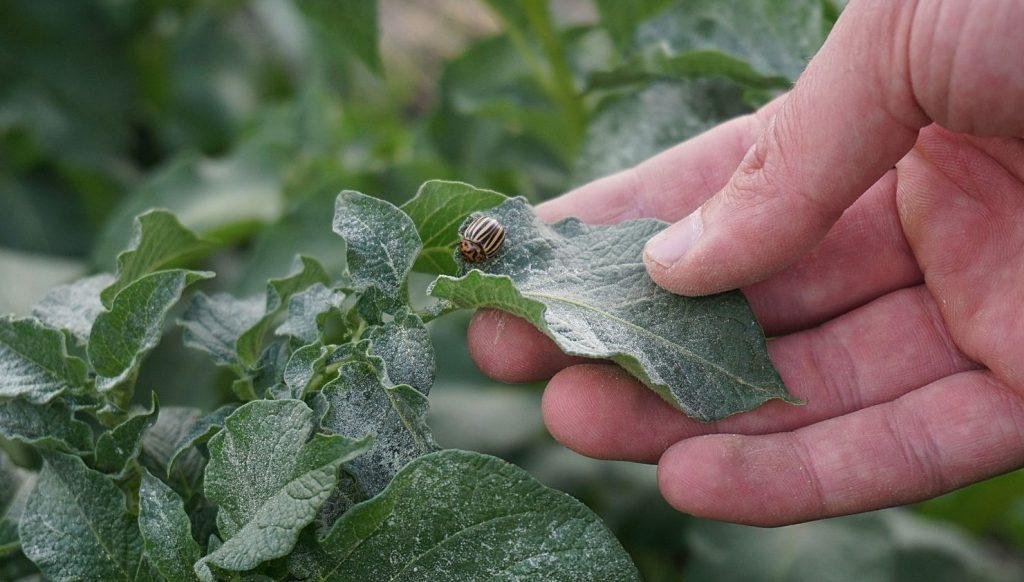
Prevention is always better than cure. The following strategies reduce pest infestations without chemicals:
1. Healthy Soil Practices
- Maintain nutrient-rich soil using compost, vermicompost, or organic matter.
- Healthy plants are more resistant to pests and diseases.
- Rotate crops annually to prevent pest buildup in the soil.
2. Companion Planting
- Grow plants together that naturally repel pests or attract beneficial insects.
- Examples:
- Basil with Tomatoes: Repels whiteflies and aphids.
- Marigolds with Leafy Greens: Deters nematodes and insects.
- Onions and Carrots: Reduce carrot fly infestations.
- Companion planting increases biodiversity and strengthens the garden ecosystem.
3. Crop Rotation
- Rotate vegetable families each season to disrupt pest life cycles.
- Helps prevent soil-borne diseases and reduces the recurrence of pests.
4. Mulching
- Apply organic mulch (straw, leaves, grass clippings) around plants.
- Suppresses weeds, retains soil moisture, and reduces slug activity.
5. Regular Garden Maintenance
- Remove diseased or damaged leaves to prevent pest breeding.
- Keep garden free of debris where pests can hide.
- Monitor plants frequently to detect early infestations.
Natural Repellents and Plant-Based Pesticides
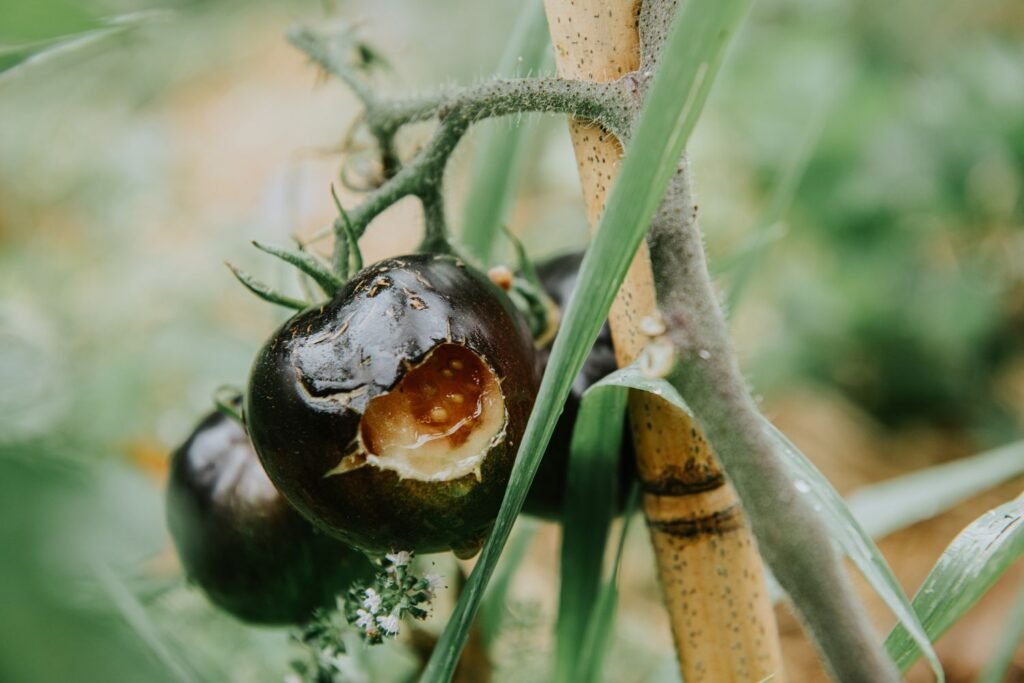
Several plant-based and natural substances effectively deter garden pests:
1. Neem Oil
- Extracted from the neem tree, it disrupts pest growth and reproduction.
- Effective against aphids, whiteflies, spider mites, and caterpillars.
- Apply as a diluted spray every 7–14 days for best results.
2. Garlic Spray
- Crush garlic cloves and mix with water to create a natural insect repellent.
- Repels aphids, caterpillars, and beetles without harming plants.
- Spray on foliage during early morning or late evening.
3. Chili Pepper Spray
- Mix chili powder or fresh chilies with water for a spicy deterrent.
- Effective against chewing insects such as caterpillars and slugs.
- Avoid spraying directly in full sun to prevent leaf burn.
4. Soap Spray
- Use mild liquid soap mixed with water to target soft-bodied insects like aphids and whiteflies.
- Spray leaves gently to remove pests without damaging the plant.
- Rinse leaves with clean water after a few hours to prevent soap buildup.
5. Diatomaceous Earth
- A natural, abrasive powder that damages the exoskeleton of insects like slugs, aphids, and beetles.
- Sprinkle around plant bases or on leaves for protection.
- Safe for humans, pets, and plants when used correctly.
6. Beneficial Insects
- Introduce natural predators such as ladybugs, lacewings, and parasitic wasps.
- Ladybugs feed on aphids, while lacewing larvae consume caterpillars and soft-bodied insects.
- Encourages a balanced ecosystem and long-term pest control.
Physical Barriers and Traps
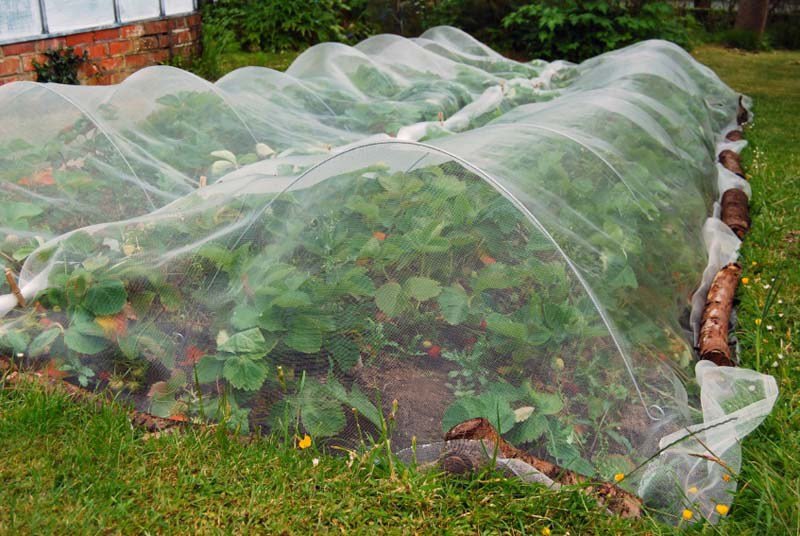
Physical barriers prevent pests from reaching vegetables without using chemicals:
- Row Covers
- Lightweight mesh or fabric covers protect crops from insects while allowing sunlight and water to pass through.
- Ideal for leafy greens and young seedlings.
- Sticky Traps
- Yellow sticky traps attract flying insects like whiteflies and aphids.
- Place near plants for early pest detection and control.
- Copper Tape for Slugs
- Copper tape around container edges or raised beds deters slugs and snails.
- Hand-Picking
- For larger pests like caterpillars and slugs, manually removing them is effective and environmentally friendly.
Cultural Practices to Reduce Pests
- Water Management
- Water plants at the base rather than overhead to reduce fungal growth and discourage pests.
- Avoid overwatering, which creates favorable conditions for pests.
- Plant Diversity
- Mix different vegetables, herbs, and flowers to confuse pests and minimize infestations.
- Pruning and Air Circulation
- Trim overcrowded foliage to improve air circulation, reducing the risk of fungal infections and pest proliferation.
- Timing Planting
- Plant early or late in the season to avoid peak pest periods.
- Succession planting ensures continuous growth while minimizing pest pressure.
Monitoring and Early Detection
Early identification of pests is critical to prevent damage:
- Inspect leaves, stems, and soil regularly for signs of pests.
- Look for yellowing leaves, holes, sticky residue, or visible insects.
- Catching infestations early allows natural remedies to work effectively without escalating to severe problems.
Benefits of Natural Pest Control
- Healthier Vegetables: No chemical residues, safer for consumption.
- Sustainable Gardening: Promotes long-term soil health and biodiversity.
- Pollinator Protection: Safe for bees, butterflies, and other beneficial insects.
- Cost Savings: Reduces spending on chemical pesticides.
- Eco-Friendly Practices: Supports environmentally conscious gardening and reduces pollution.
Conclusion
Maintaining a healthy vegetable garden without chemical pesticides is achievable with careful planning, natural repellents, and preventive measures. Using plant-based sprays, beneficial insects, companion planting, physical barriers, and proper garden maintenance can effectively control pests while promoting sustainable gardening practices. Monitoring plants regularly and implementing early intervention strategies ensures that pests do not compromise growth or yield.
Natural pest control not only protects vegetables but also enhances the ecological balance of gardens, supports pollinators, and fosters a healthier, chemical-free lifestyle. By embracing these methods, gardeners can enjoy abundant, nutritious, and delicious plant-based meals while contributing to environmental conservation and sustainable urban living.