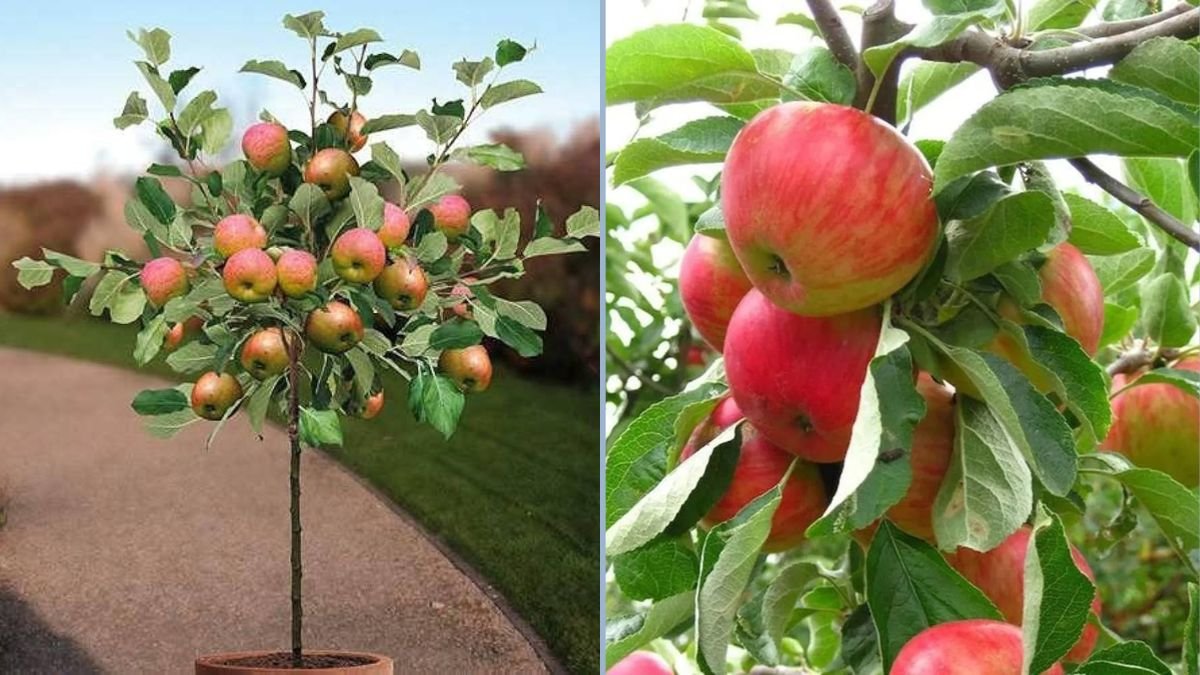
Every gardener knows the thrill of seeing spring blossoms appear on their apple trees — it’s a hopeful sign that fruit might soon follow. But if you’ve planted a Gala apple tree, you might find yourself wondering, “Will it finally produce apples this year?”
Whether your tree is young, recently transplanted, or has been growing for several seasons without fruit, understanding how and when Gala apple trees bear fruit can make all the difference. In this post, we’ll explore everything you need to know about what determines apple production, why your tree may not have fruited yet, and how to encourage it to bloom and bear fruit this season.
The Gala Apple: A Quick Introduction
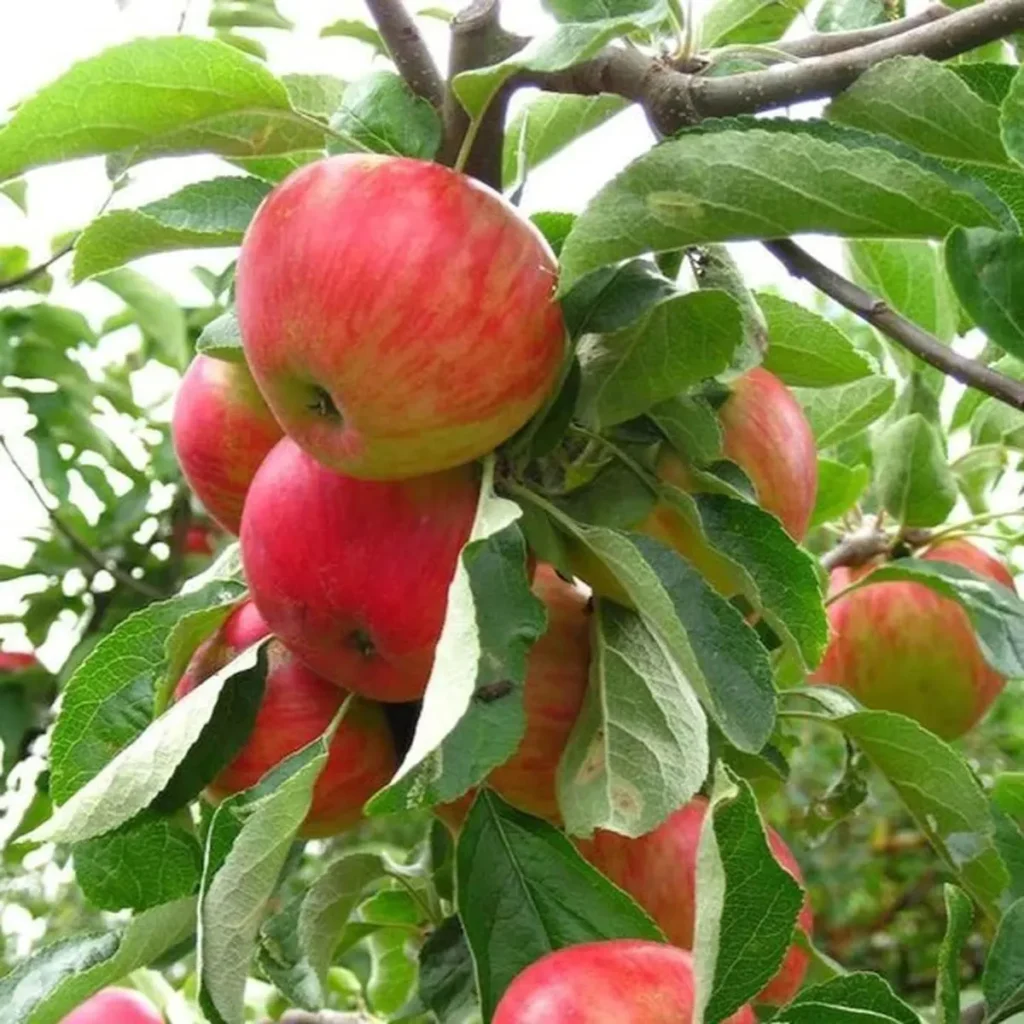
The Gala apple is one of the most popular apple varieties in the world — prized for its crisp texture, honey-sweet flavor, and mild fragrance. Originating from New Zealand in the 1930s, the Gala apple is a cross between the Kidd’s Orange Red and the Golden Delicious, combining the best traits of both.
Gardeners love Gala apple trees because they:
- Are relatively hardy and adaptable to different climates
- Produce medium-sized, sweet apples perfect for fresh eating
- Have beautiful spring blossoms that attract pollinators
- Offer consistent yields once mature
However, patience is key — apple trees follow a slow but steady growth cycle before they reward you with fruit.
How Long Does It Take for a Gala Apple Tree to Produce Fruit?
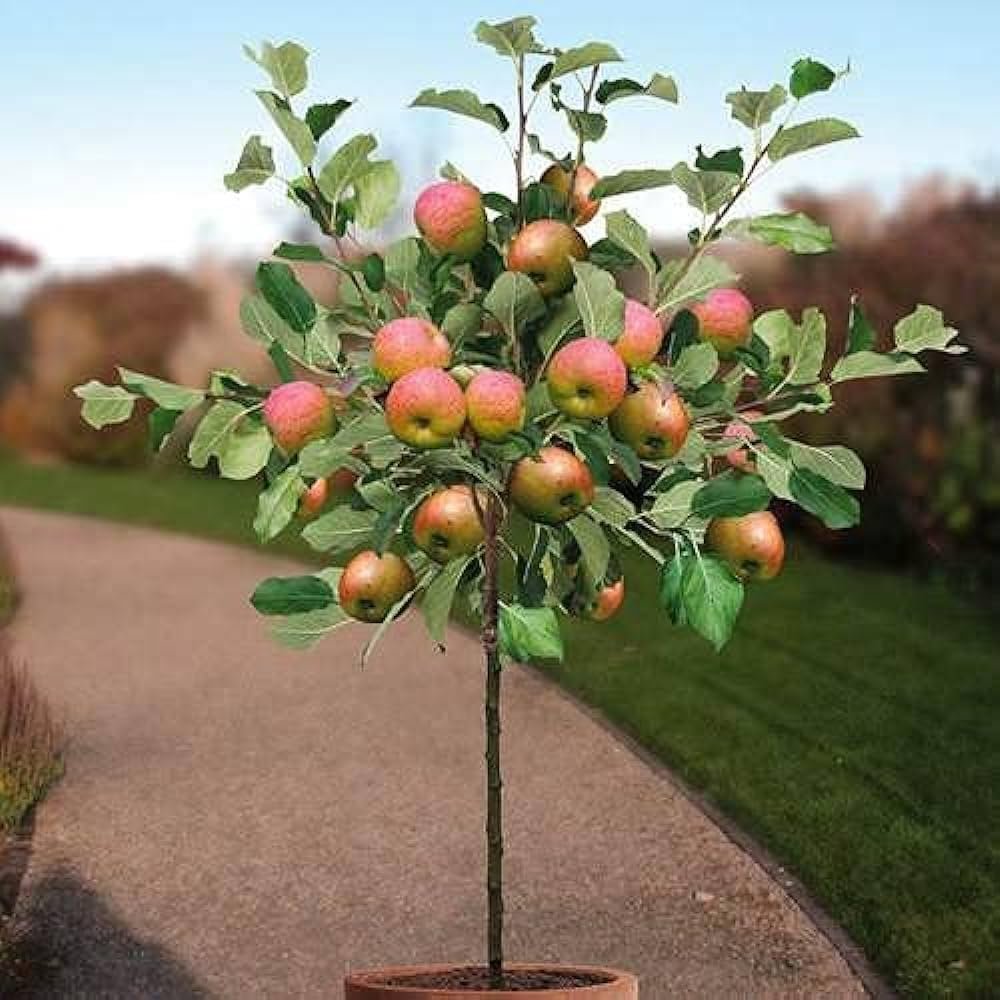
One of the first questions gardeners ask is, “When will my tree start producing?” The answer depends on how your tree was grown and what type it is.
Typical Fruiting Timelines:
- Standard-sized Gala apple trees: 6–10 years after planting
- Semi-dwarf trees: 4–6 years
- Dwarf varieties: 2–4 years
If your Gala apple tree is still young, it’s likely spending its energy building strong roots and branches — a vital foundation before fruiting begins.
So, if your tree is under 3–4 years old, it’s normal not to see apples yet. Don’t worry — it’s just getting ready for future productivity.
Understanding the Apple Tree’s Growth Stages
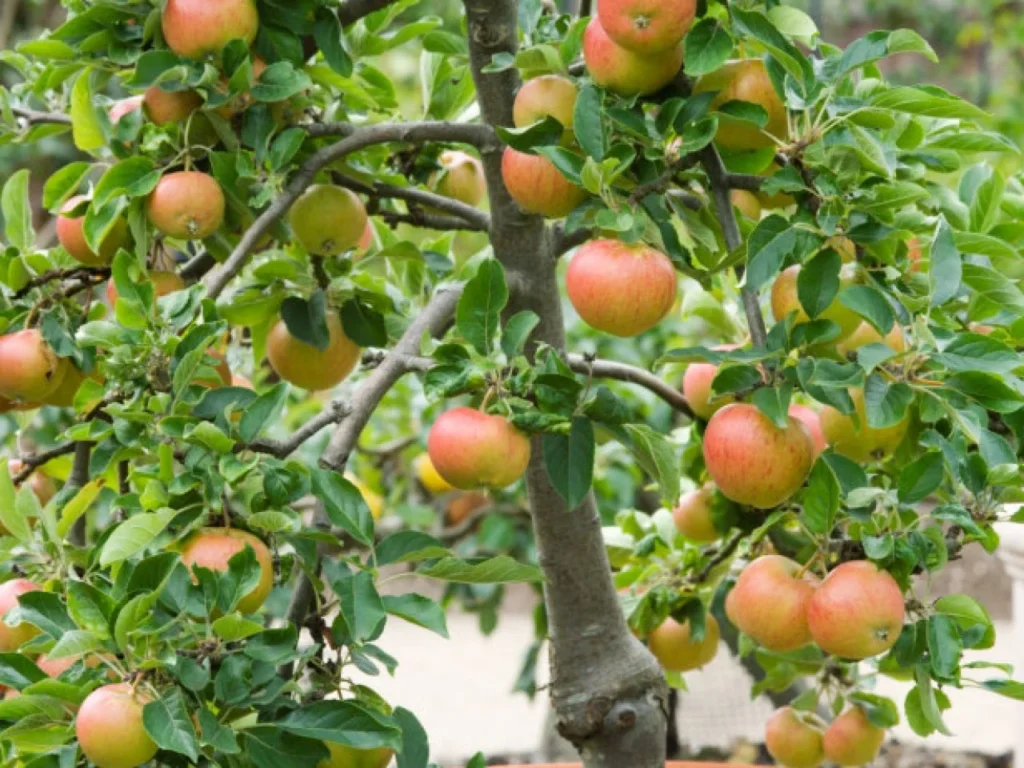
To know whether your tree will fruit this year, it helps to understand its seasonal life cycle:
- Dormancy (Winter): The tree rests and conserves energy.
- Bud Break (Early Spring): New leaves and flower buds begin to form.
- Bloom (Mid-Spring): Blossoms open, attracting bees for pollination.
- Fruit Set (Late Spring): Pollinated flowers turn into small developing apples.
- Growth (Summer): Apples grow and mature on the branches.
- Harvest (Late Summer to Fall): Time to pick your sweet Gala apples!
If you see blossoms in spring, you’re already halfway to fruit. No flowers, however, means no fruit — but you can take steps to encourage them.
Key Factors That Determine If Your Gala Apple Tree Will Fruit
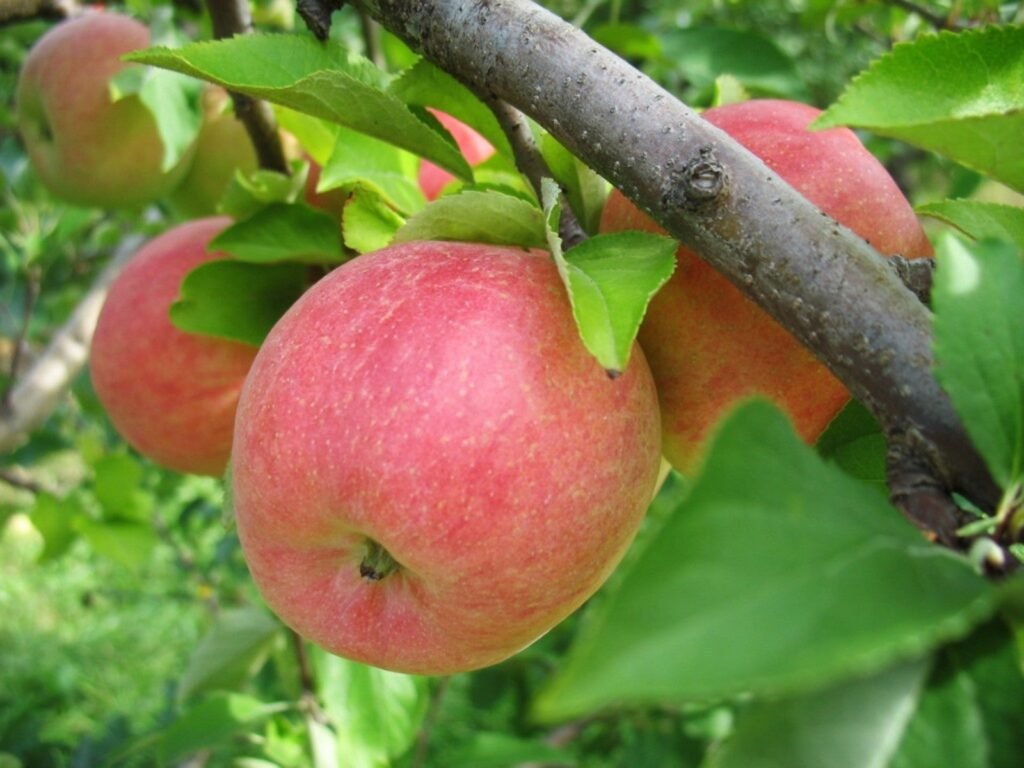
Several conditions influence whether your tree will produce apples in a given year. Let’s explore the most common ones.
1. Age and Maturity of the Tree
Young trees focus on growing strong roots and branches before diverting energy to reproduction (fruiting).
If your Gala apple is still in its early years — especially under 3 years old for dwarf varieties or under 5 for semi-dwarf — it may not fruit yet, even if it looks healthy.
Solution: Be patient and continue proper care. Avoid over-fertilizing, which can delay fruiting by encouraging leaf growth instead of flowers.
2. Pollination Partners
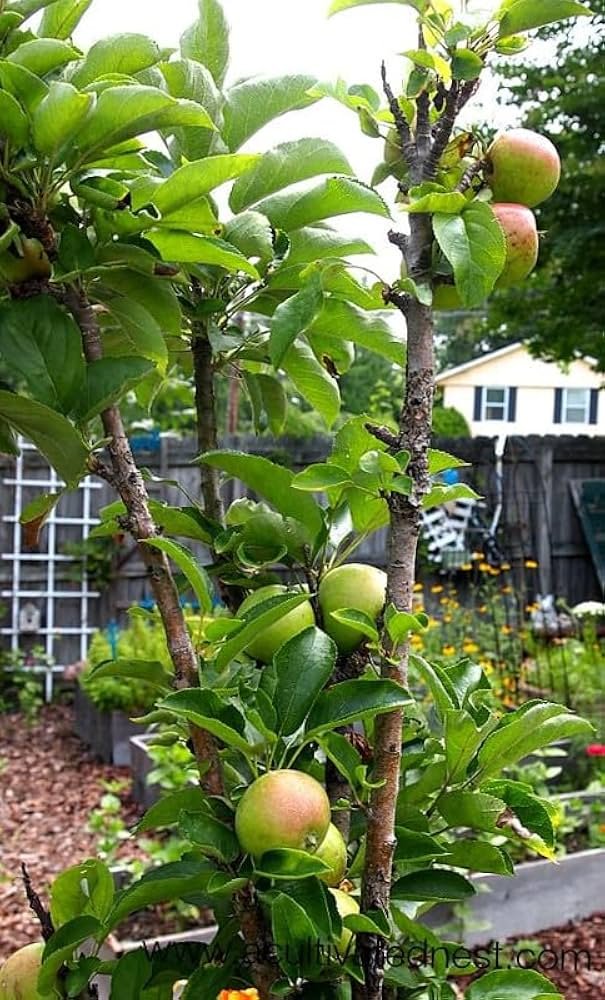
Gala apple trees are not self-pollinating. That means they need another compatible apple variety nearby to cross-pollinate and set fruit.
Compatible pollinators include:
- Fuji
- Honeycrisp
- Granny Smith
- Red Delicious
- Golden Delicious
- Jonathan
If you only have one tree, your Gala may bloom but fail to set fruit. Bees can sometimes bring pollen from a neighbor’s apple tree, but for consistent yields, it’s best to plant another variety within 50 feet.
Tip: Even a crabapple tree can act as a pollinator!
3. Weather and Bloom Conditions
Temperature and timing play a huge role. A late spring frost can damage flower buds, while cold, windy, or rainy weather can keep pollinators away.
Ideal conditions for bloom and fruit set:
- Daytime temperatures around 60–70°F (15–21°C)
- Dry, sunny weather to attract bees
- Mild nights (above freezing)
If your region experiences frost during bloom, you may lose flowers and therefore fruit for that season.
Pro tip: Use frost blankets or row covers during cold snaps to protect blossoms.
4. Sunlight and Spacing
Apple trees need plenty of sun to produce both blossoms and healthy fruit. Without enough light, the tree will focus on vegetative growth (leaves and stems) rather than fruit production.
Requirements:
- Minimum 6–8 hours of direct sunlight daily
- Spacing of 12–15 feet apart for semi-dwarf trees
If your Gala apple is shaded by other trees or buildings, consider pruning surrounding vegetation or relocating the tree if possible.
5. Pruning Practices
Pruning is one of the most overlooked but critical aspects of getting your Gala apple tree to fruit.
Overgrown or improperly pruned trees can have:
- Too much shade inside the canopy
- Weak, tangled branches
- Fewer fruit-bearing spurs
Prune your Gala apple tree annually in late winter or early spring before new growth begins. Focus on:
- Removing dead or crossing branches
- Opening up the canopy for sunlight
- Encouraging short, stubby fruiting spurs on side branches
Fun fact: Gala apples grow on two-year-old wood — so avoid cutting off too much new growth!
6. Fertilization and Soil Health
Your Gala apple tree needs balanced nutrition for flowering and fruiting. Too much nitrogen leads to lush leaves but few blooms.
Best fertilizing tips:
- Use a balanced 10-10-10 fertilizer in early spring.
- Avoid overfeeding with lawn fertilizer (high in nitrogen).
- Test soil pH — ideal is 6.0 to 6.8.
- Add compost or aged manure yearly to enrich the soil.
If your soil is poor or compacted, your tree may struggle to absorb nutrients needed for bloom and fruit set.
7. Pest and Disease Management
Common apple pests like aphids, caterpillars, and codling moths, or diseases such as fire blight and apple scab, can stress the tree and reduce fruit production.
Prevention tips:
- Inspect leaves and branches regularly for damage.
- Apply neem oil or horticultural oil in early spring.
- Remove fallen leaves and debris around the base to prevent fungal buildup.
- Encourage beneficial insects such as ladybugs.
Healthy trees are more likely to bloom and fruit consistently.
How to Tell If Your Gala Apple Tree Will Fruit This Year
Here’s a quick checklist to help you gauge your tree’s potential for fruiting:
Tree is 3+ years old (dwarf) or 5+ years (semi-dwarf)
Has plenty of sunlight exposure
Shows flower buds in early spring (rounded, larger than leaf buds)
Has a pollination partner nearby
Was pruned properly in late winter
Shows healthy leaves and strong branches
If you check most of these boxes, your Gala apple tree stands a very good chance of producing apples this year!
What If Your Tree Flowers But Doesn’t Fruit?
If blossoms appear but no apples follow, the issue is usually pollination failure or flower damage. Here’s what you can do:
- Hand-pollinate: Use a small brush to transfer pollen between blossoms if bees are scarce.
- Attract pollinators: Plant bee-friendly flowers nearby like lavender, borage, and clover.
- Check timing: Ensure pollination partners bloom at the same time as your Gala.
- Watch for frost damage: Protect buds early in the season.
Sometimes, even a healthy tree might skip a year of fruiting — this is called biennial bearing. It’s normal and tends to balance out over time.
Encouraging Your Gala Apple Tree to Fruit
To boost your chances this year and beyond:
- Prune properly each winter.
- Water deeply once per week during dry periods.
- Feed with balanced fertilizer in early spring.
- Add a pollinator tree within 50 feet.
- Mulch around the base to retain moisture and suppress weeds.
- Attract bees with flowering plants.
- Be patient. Sometimes it takes an extra year for a young tree to mature.
Final Thoughts: Patience Pays Off
So, will your Gala apple tree fruit this year?
If it’s mature, well-cared-for, and pollinated, the odds are in your favor! If not, don’t be discouraged — every year brings your tree one step closer to its first harvest.
Growing fruit trees teaches patience, observation, and trust in nature’s rhythm. When those first blossoms turn into tiny apples, it’s one of the most satisfying moments in gardening.
Keep nurturing your tree with love, sunlight, and care — and soon enough, you’ll be rewarded with crisp, golden-red Gala apples right from your own backyard.